Français
 Español
 Deutsch
Wire Thread Inserts
Wire Straightening & Cutting → Machining → Cleaning → Packaging


Home / Processing
We are equipped with comprehensive production facilities covering forming, machining, wire cutting, grinding, cleaning, assembly, and packaging. We enhance processing consistency through the management of tooling fixtures, cutting tools, and process parameters. Capable of quickly organizing process integration and production scheduling based on diverse product and order requirements, we ensure a stable production rhythm and reliable delivery.
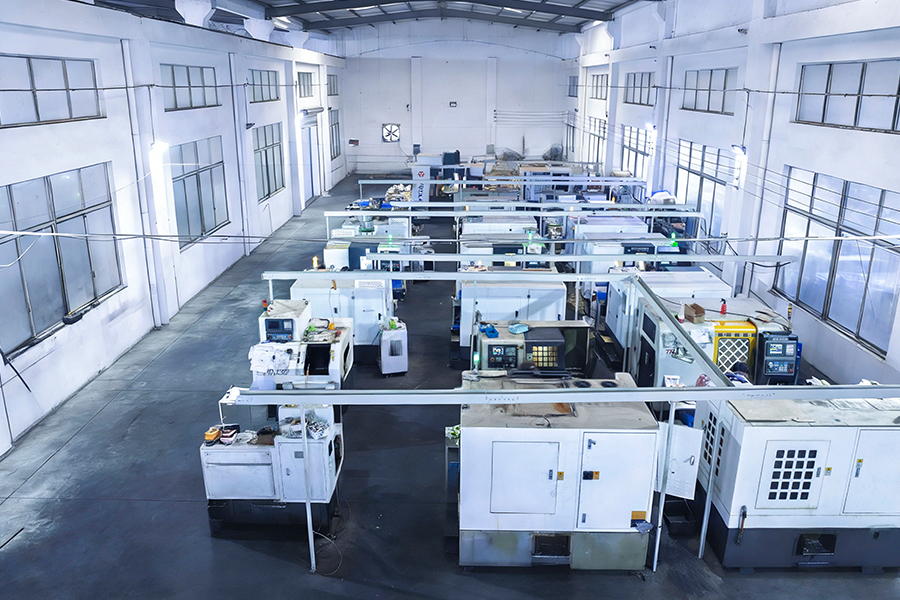
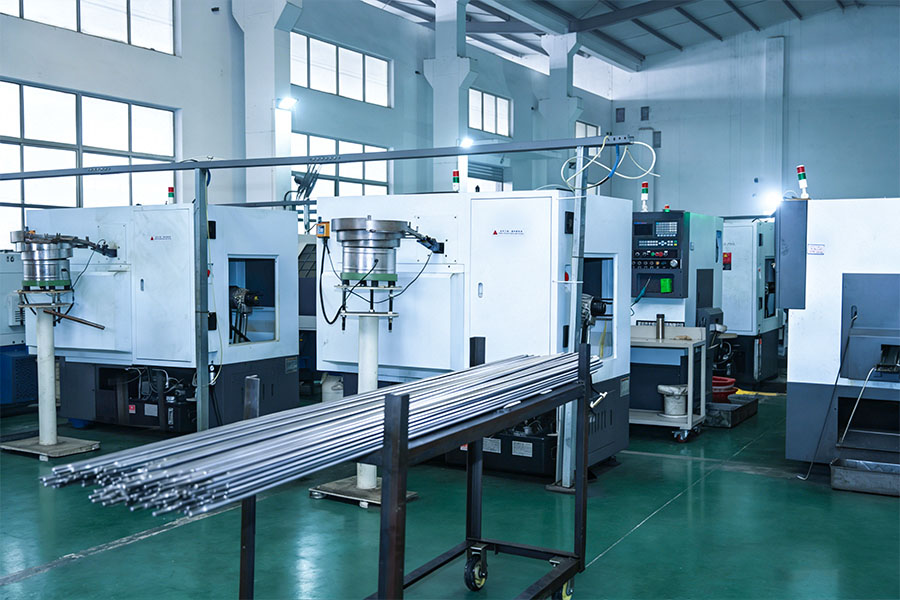
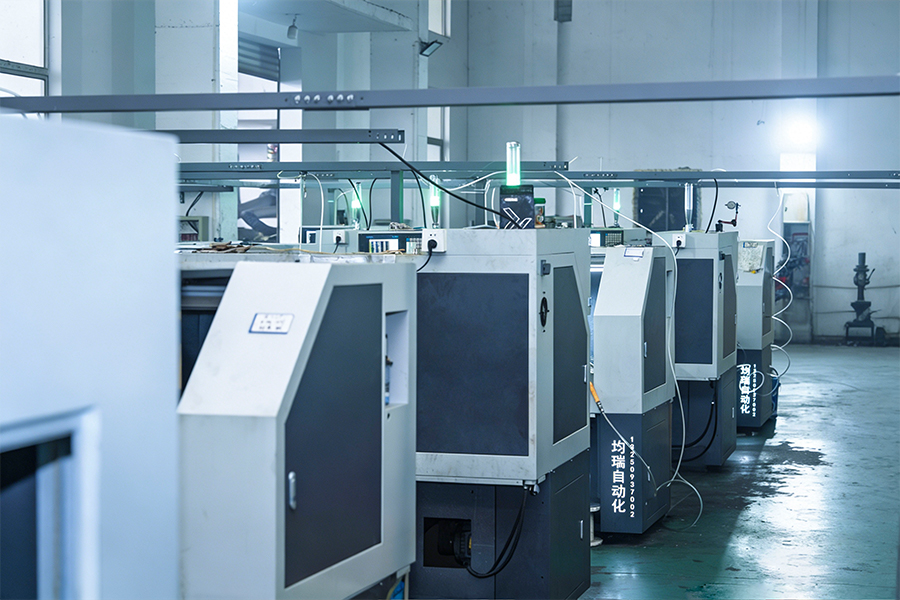
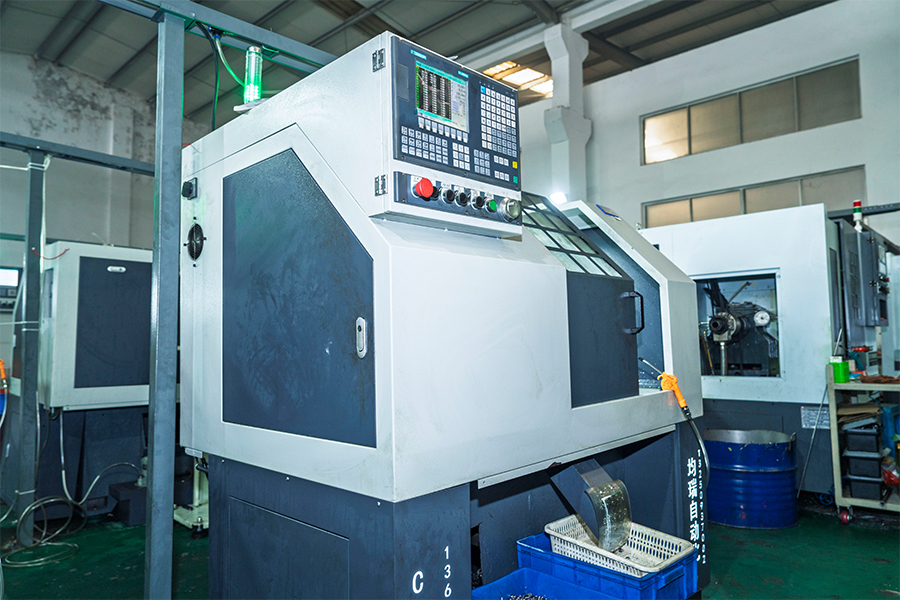
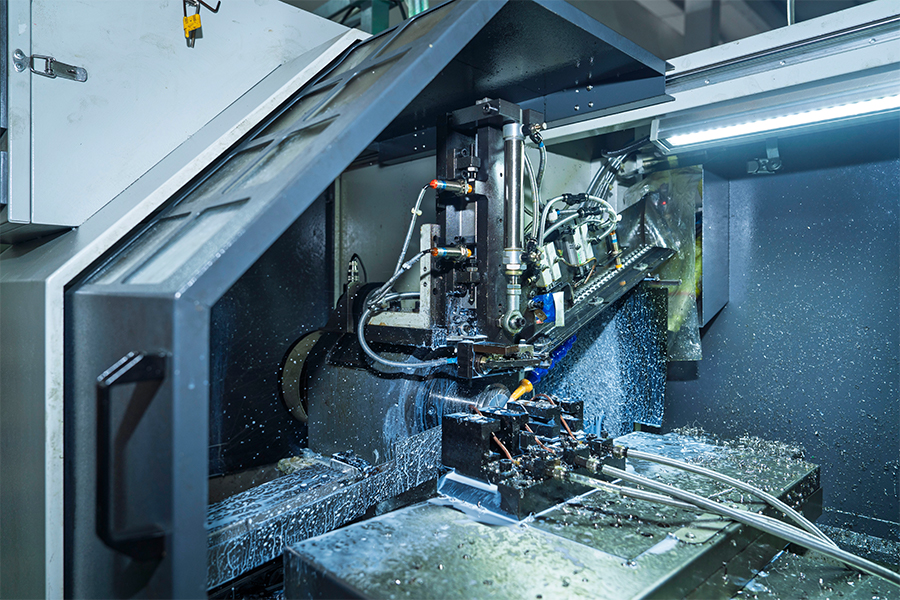
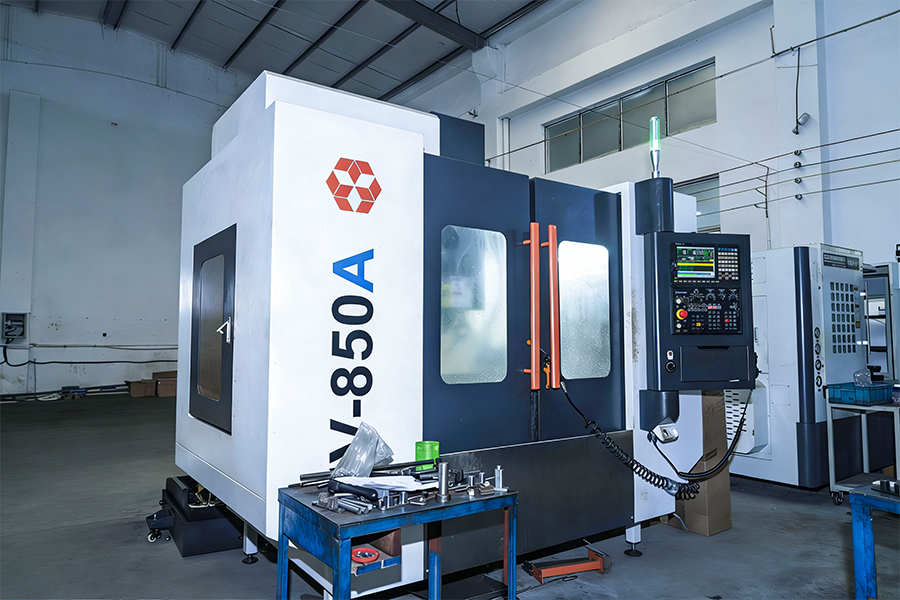
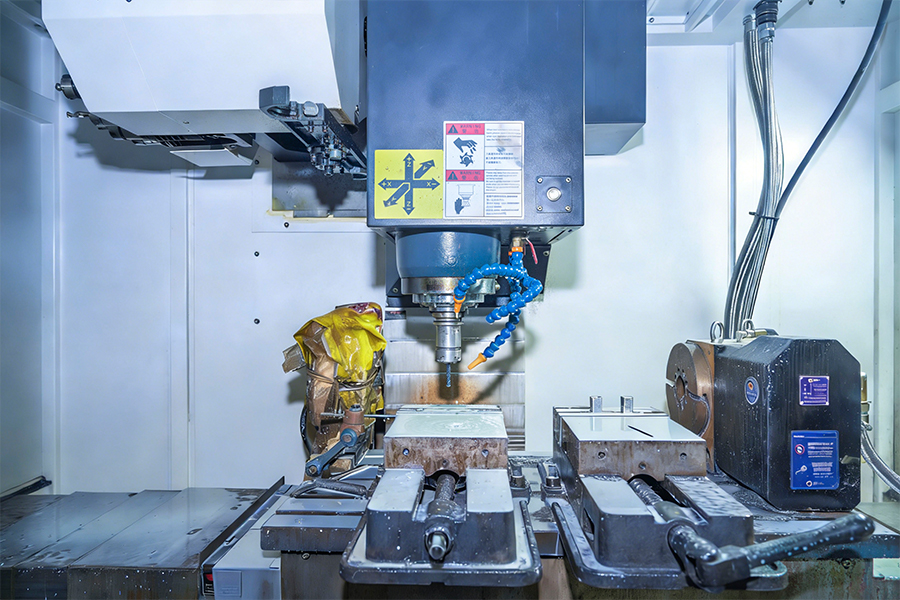
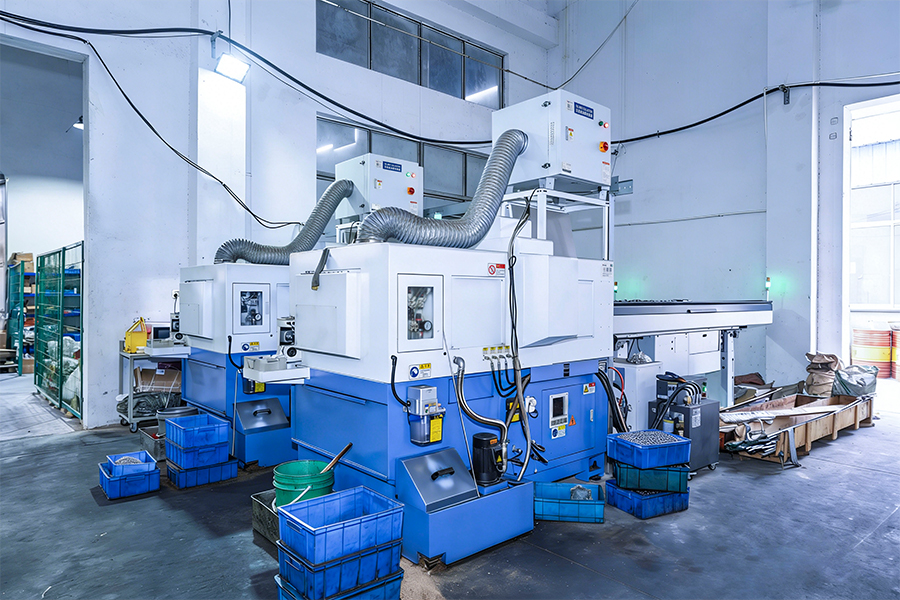
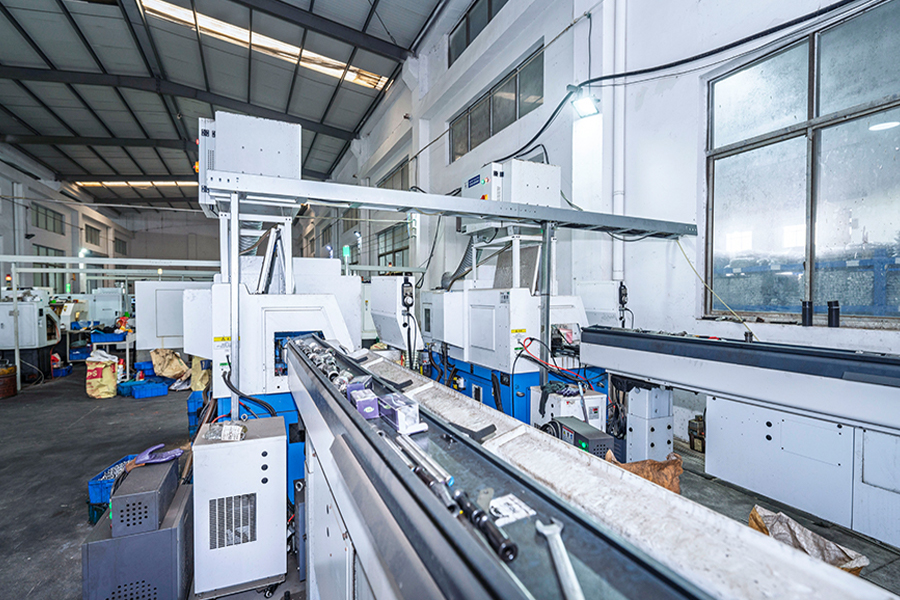
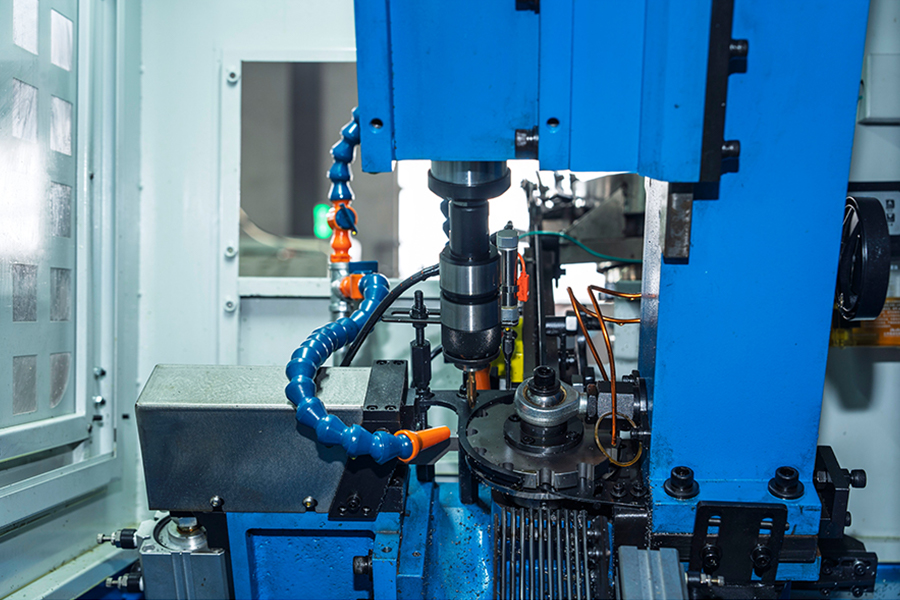
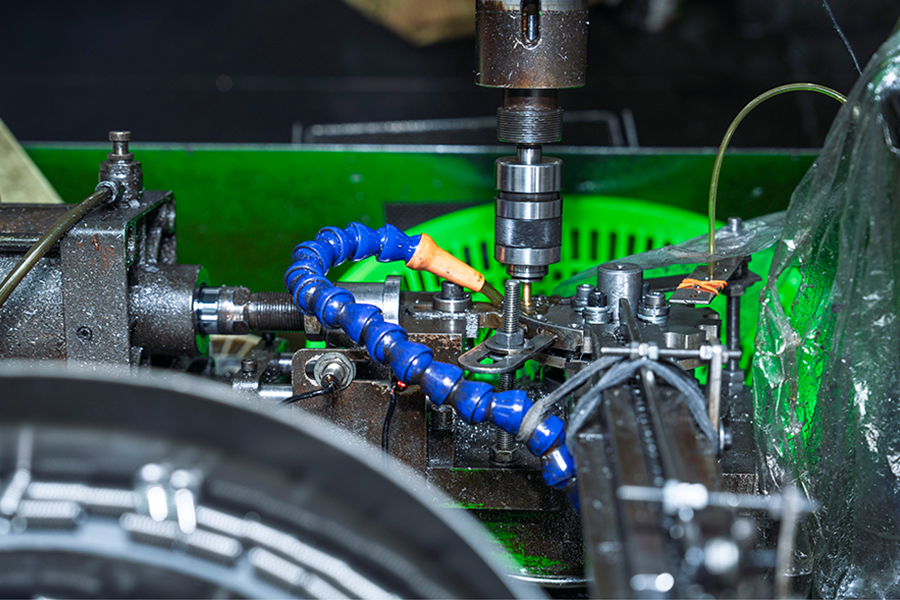
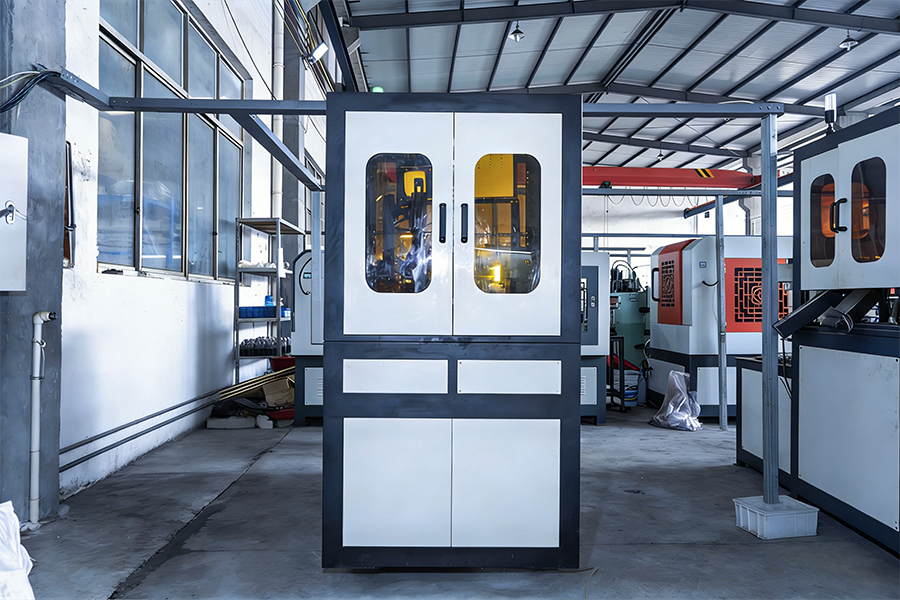
We have established a mature machining process and on-site management system centered around thread inserts and complementary products. From raw material preparation to forming, machining, cleaning, assembly, and packaging, the entire workflow is seamlessly integrated.
Annual Capacity: 100 million automotive engine thread inserts.
Annual Capacity: 50 million oil plugs.
Average Lead Time: 10 days.
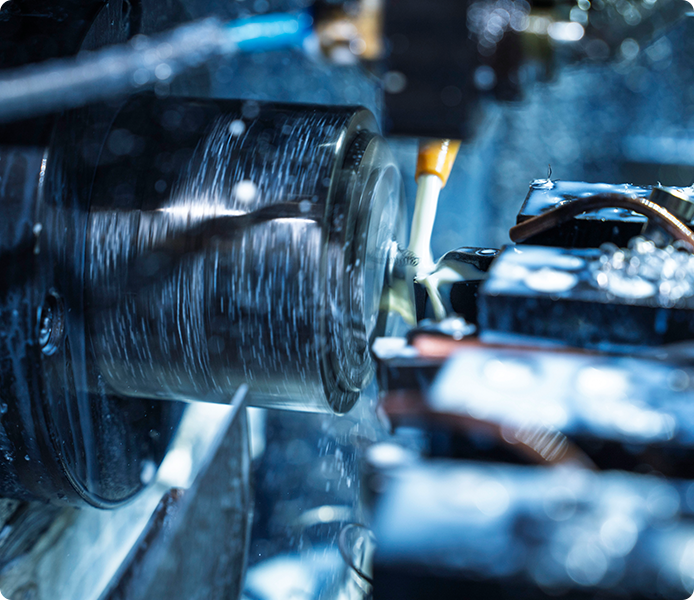
Wire Straightening & Cutting → Machining → Cleaning → Packaging
Thread Rolling → Machining → Slot Milling → Tapping → Cleaning → (Heat Treatment if required) → (Plating/Surface Treatment if required) → Packaging
Thread Rolling → Machining → Wire Cutting (EDM) → Cleaning → Cotter Pin Assembly → Packaging
Blank Preparation → Turning/Milling Forming → Heat Treatment → Thread Grinding → Packaging
Raw Material Preparation → Forging → Machining → Surface Treatment → Quality Inspection → Assembly → Packaging
Cold Heading → Turning → Thread Rolling → Cleaning → Packaging
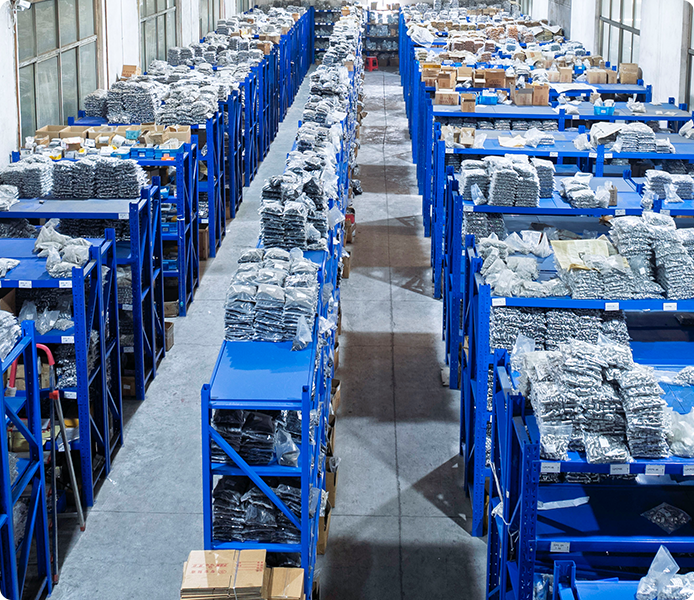
We support both bulk and small packaging formats, and can manage labels and markings (including model numbers, batch numbers, and customer part numbers) according to your requirements, facilitating warehousing and traceability. Our export packaging prioritizes protection and standardized packing to minimize transportation damage and the risk of material mixing, while improving the efficiency of goods receipt and inspection.