
 Français
 Español
 Deutsch

An M8 boss on a die-cast aluminum transmission housing strips the first time a torque wrench passes 28 Nm. The line stops, the housing goes into a scrap bin, and the real cost is not the housing. It ...
READ MORE
Threaded Plug Supplier
Oil plug
-
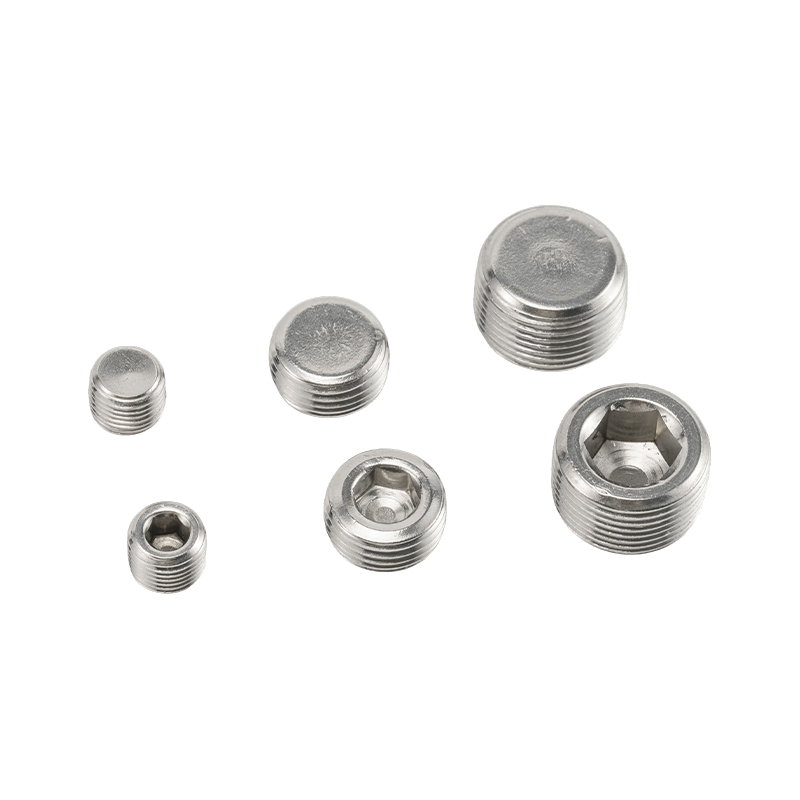 The Straight Thread Plug (Hex Socket Plug) is a high-performance sealing solution engineered for precision closure in in...
-
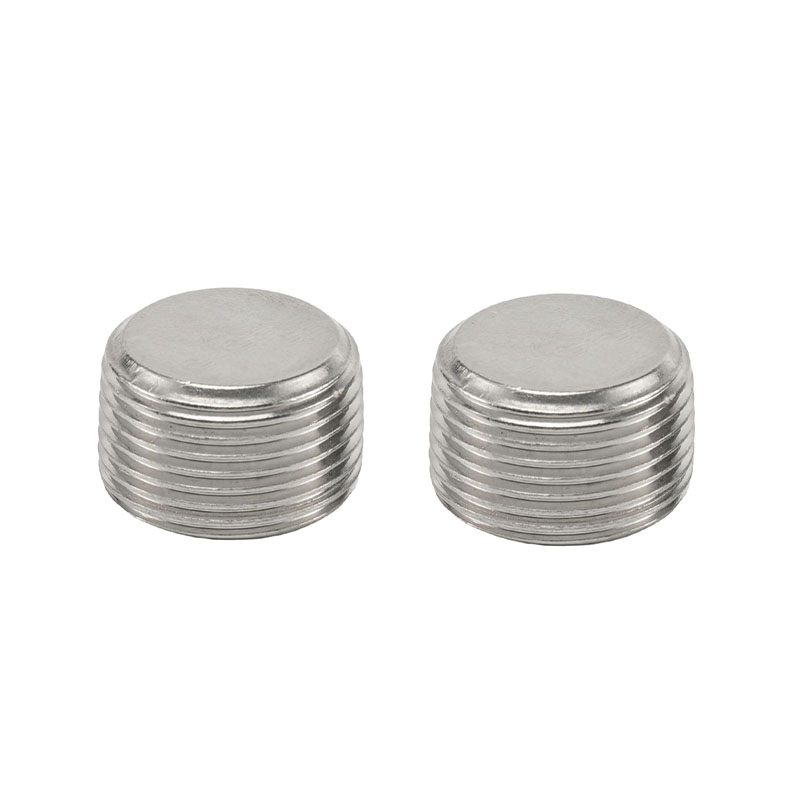 In the field of piping prefabrication and installation, precise port closure and testing are of paramount importance. Th...
-
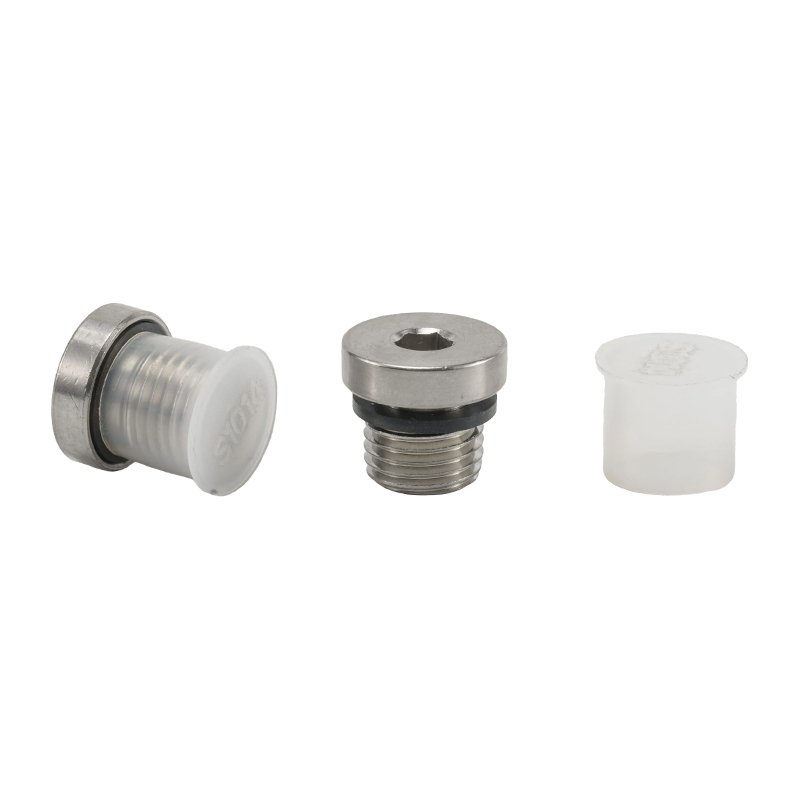 In applications such as pipeline termination, pressure testing, or equipment maintenance, there is a critical need for a...
-
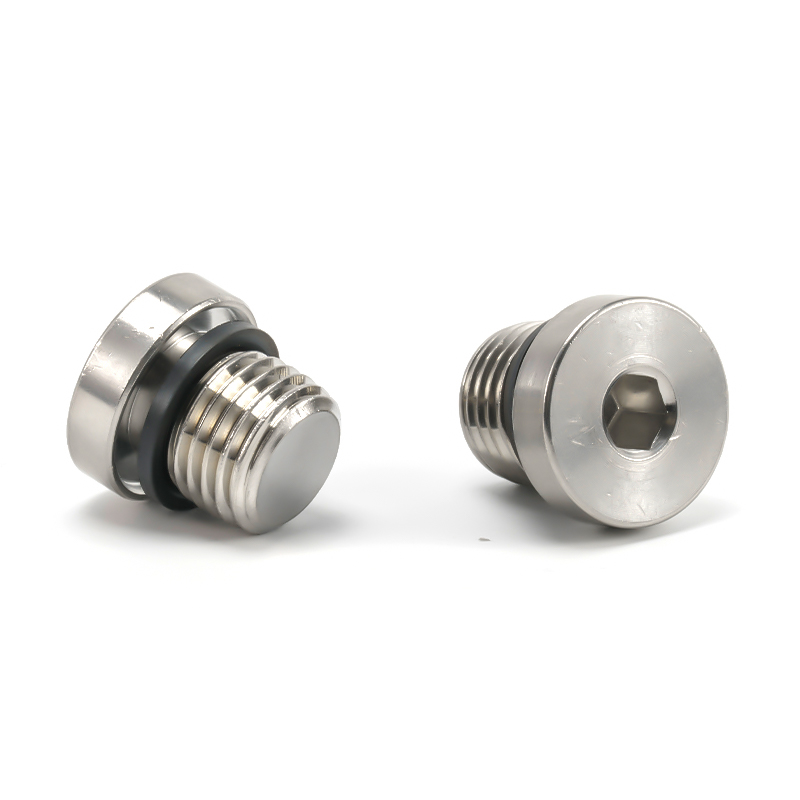 303, 304, and 316 stainless steel oil plugs are designed for applications requiring high corrosion resistance, these sta...
-
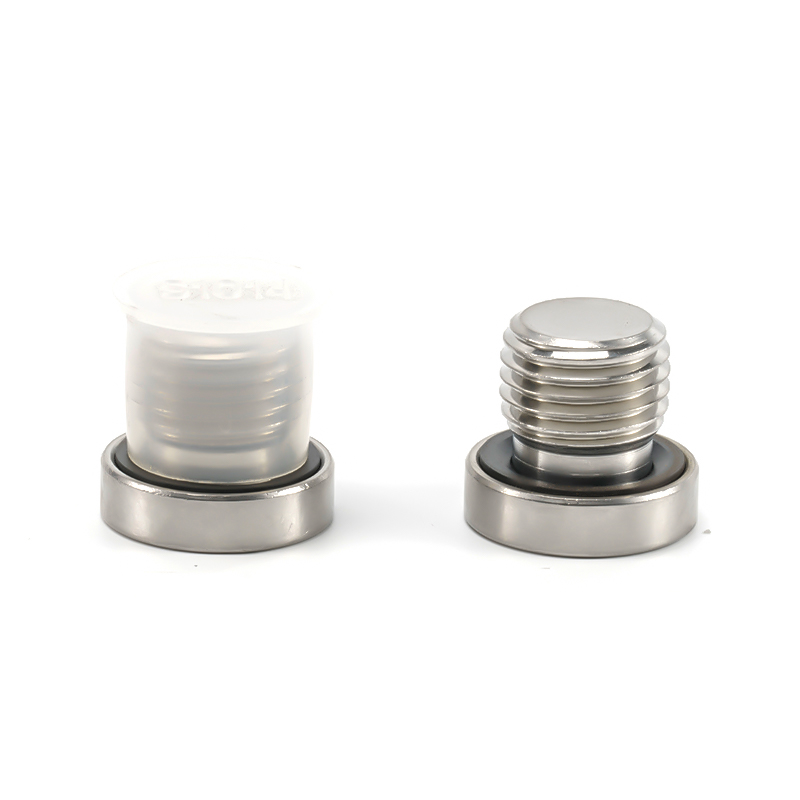 Features excellent pressure resistance and good corrosion resistance. Widely used in automotive, machinery, and industri...
An oil plug is a critical sealing component widely used in industrial machinery, automotive engines, construction equipment, and outdoor power equipment. It is primarily installed on the oil pan or oil reservoir of equipment to securely seal the lubricating oil within the system, preventing leakage during operation.
During routine maintenance, the oil plug can be easily removed to drain old or contaminated oil, allowing replacement with fresh oil and ensuring smooth operation of internal components such as gears, bearings, and pistons.
Oil plugs are manufactured from high-strength materials such as carbon steel, stainless steel, or brass, and feature precision-threaded designs to match various equipment ports. Some high-performance models include washers or sealing rings to enhance sealing performance and withstand demanding operating conditions, including high temperatures, heavy loads, and vibration.
Company Profile

Dongtai Jinzhize Metal Products Co., Ltd.
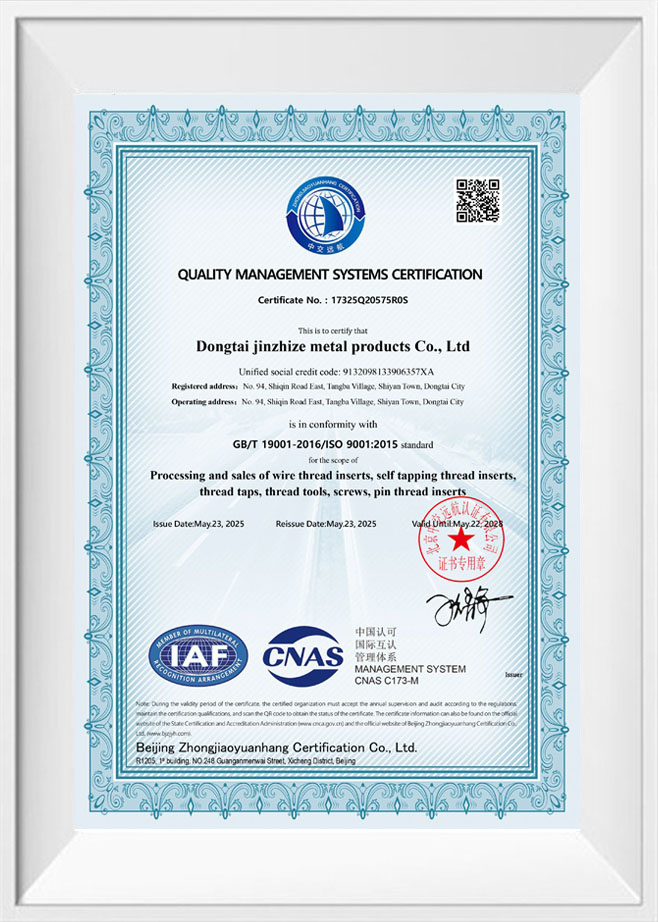
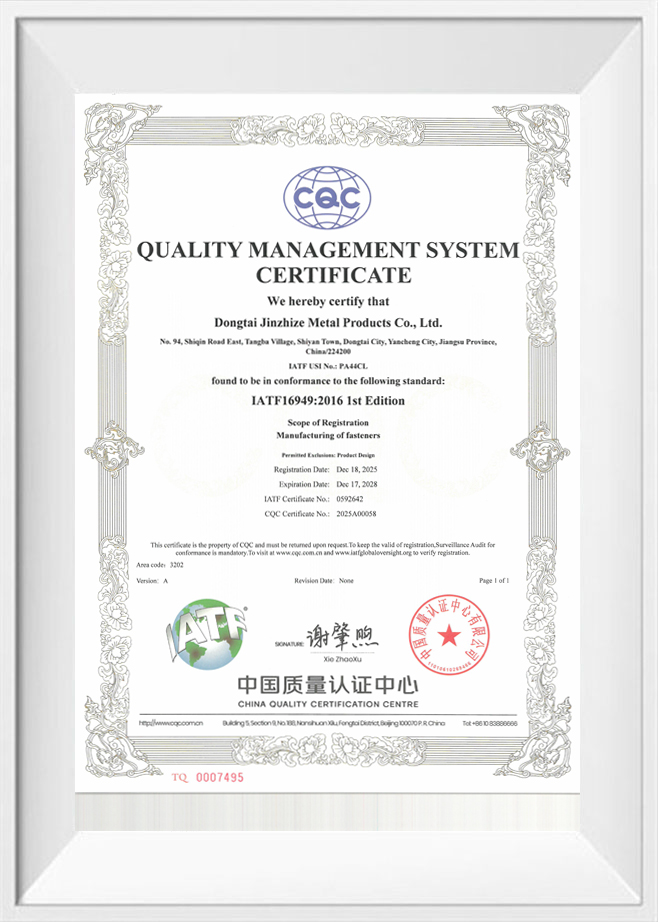
As Oil Sump Plug Factory and Threaded Plug Supplier, Dongtai Jinzhize Metal Products Co., Ltd. is a specialized manufacturing facility dedicated to threaded connection products for the automotive and aerospace sectors. We primarily produce Helical Wire Inserts, Self-Tapping Inserts, Key Locking Inserts, Threaded Adapters, Oil Plugs, as well as matching installation taps and tools.
Established in 2015, the company operates from a 10,000-square-meter-owned manufacturing plant equipped with hundreds of machine tools and automated production systems. Through years of development, we have built an experienced team of design, development, and production specialists, complemented by a rigorous quality management system and comprehensive after-sales service mechanism.
Our products are widely utilized in the automotive industry (including engines and transmissions for both passenger and commercial vehicles), the aerospace industry, and rail vehicle manufacturing.
With an annual output value of 153 million RMB in 2024, we possess the capability for a large-scale, stable supply. We are committed to providing customers with highly consistent, traceable products and reliable service support.
News
-
-
A purchasing engineer signs off on a drawing for a transmission housing insert. The note reads "316 stainless, 30 HRC." The first supplier quotes cold-drawn bar. The second ships annealed stock and c...
READ MORE -
A machinist running 304 stainless on a CNC lathe knows the routine: slower surface speeds, shorter tool life, stringy chips that wrap around the toolholder, and a finished thread that has to be gauge...
READ MORE -
A drawing lands on a machinist's bench. The callout says "303 stainless" for a small threaded oil drain plug and a batch of self-tapping inserts. Nobody asks whether the part will be strong enough, b...
READ MORE -
If you are about to tap a 9/16 thread, the first specification you need is the 9/16 tap drill size. For a 9/16-12 UNC coarse thread, the standard tap drill is 31/64 inch (0.4844 inch), and for a 9/16...
READ MORE
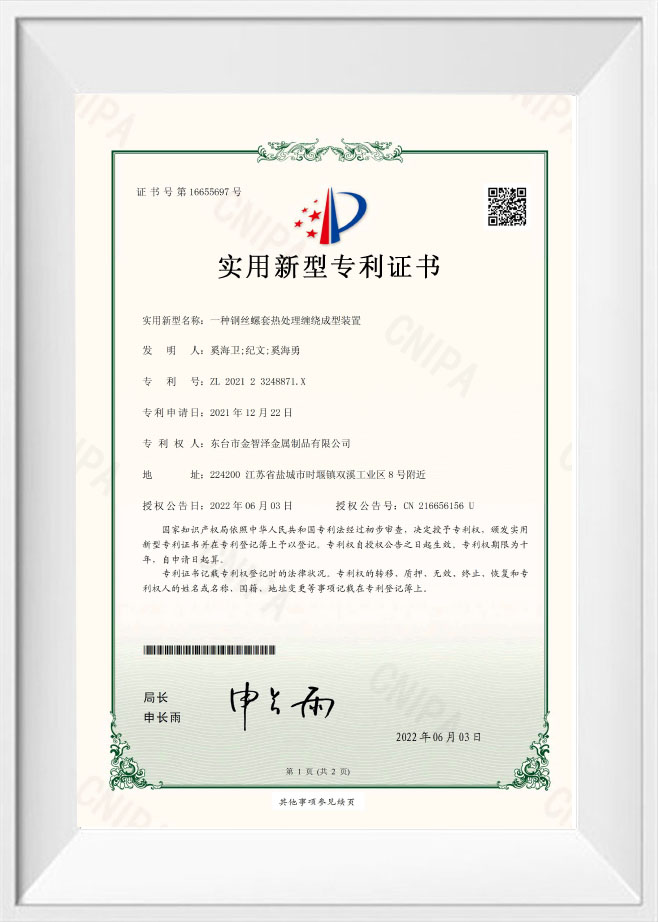
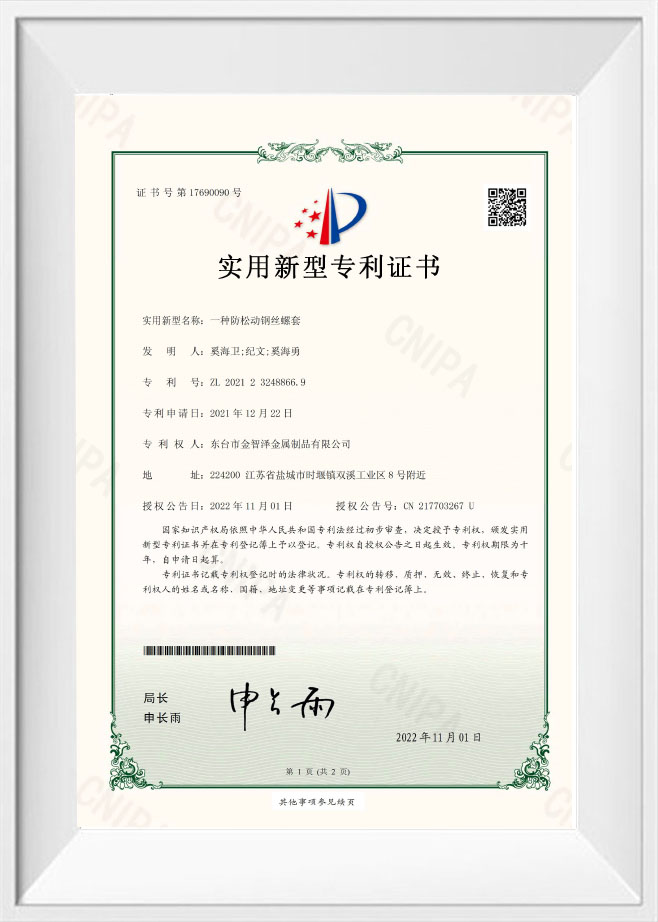
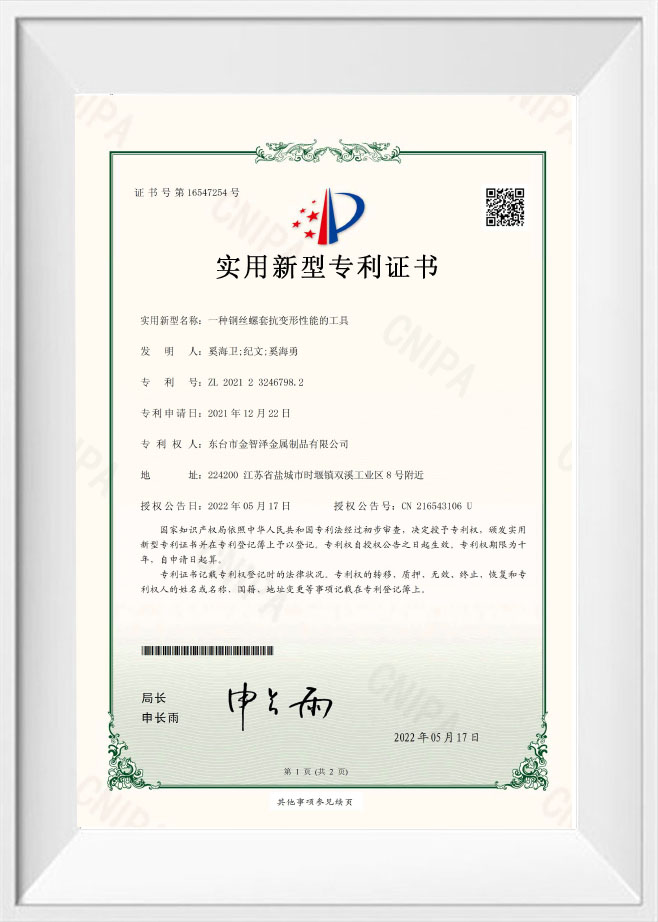
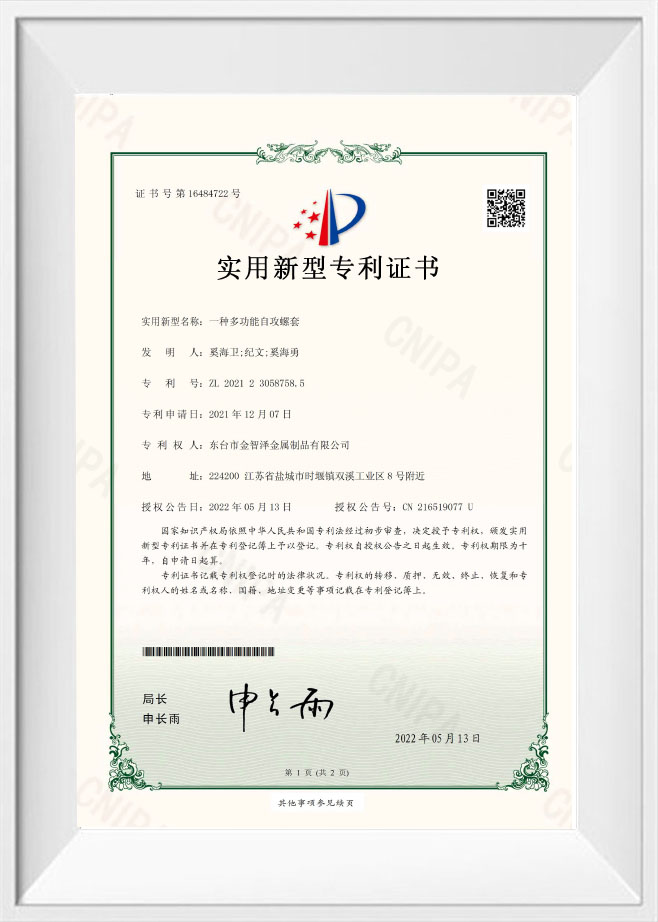
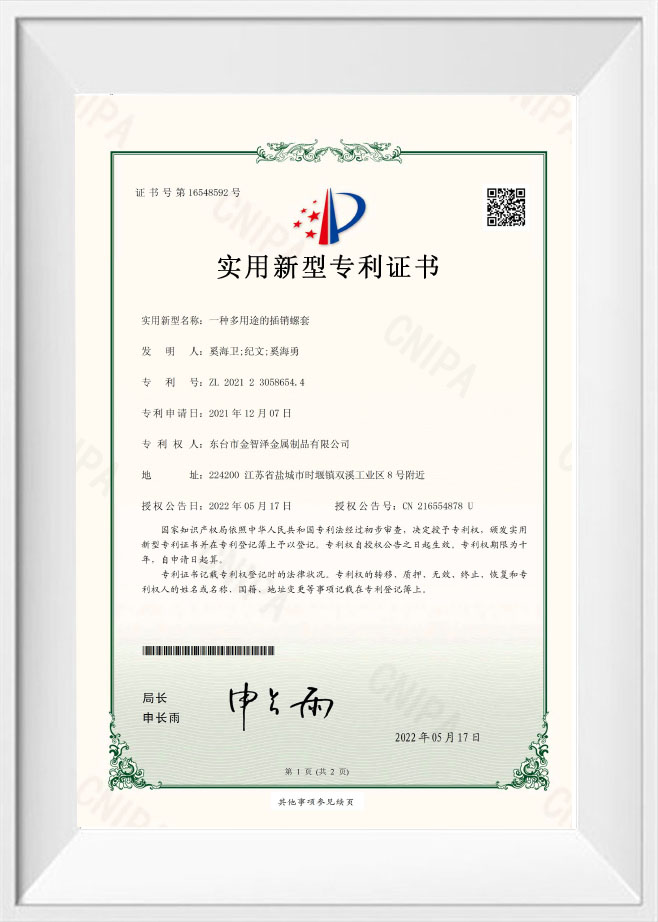
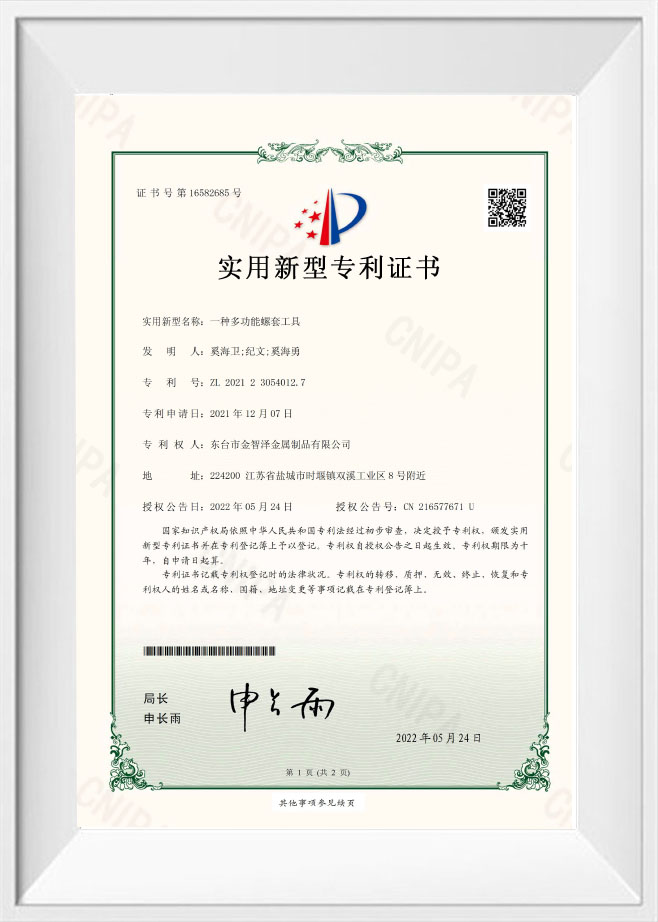
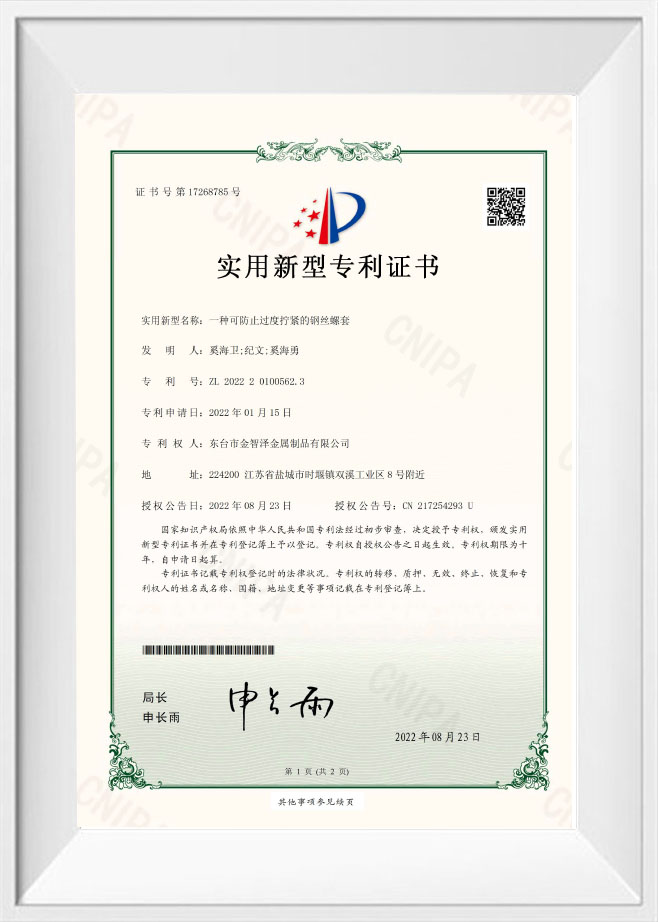
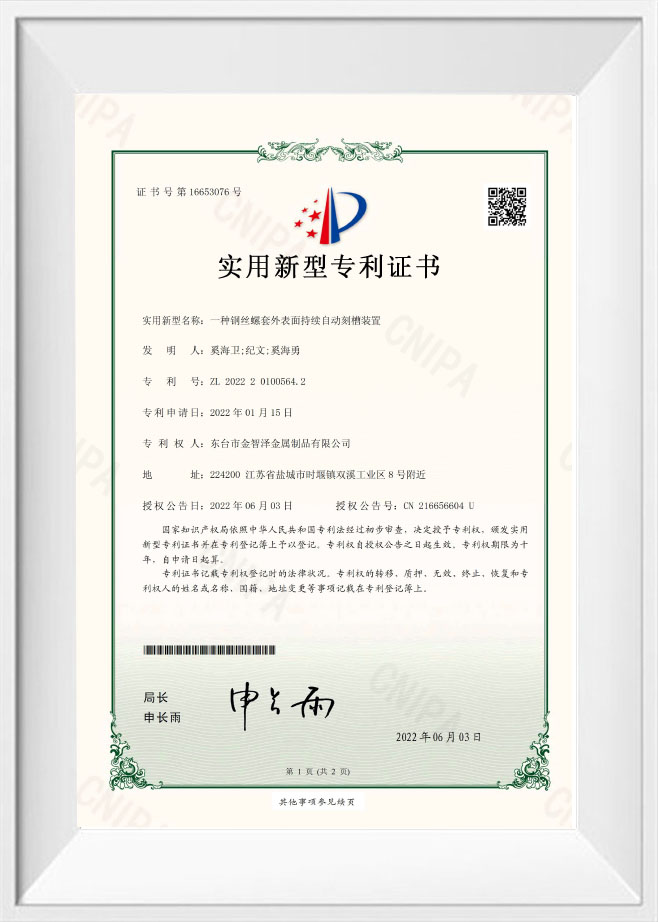
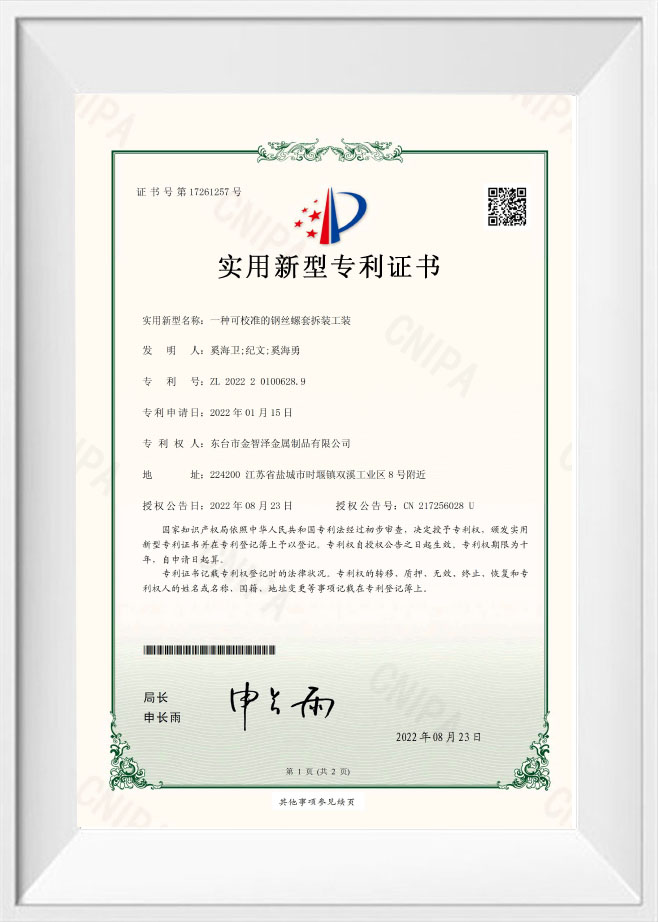
Certificate Of Honor
Oil plug Industry knowledge
What are the differences in materials used for oil plugs?
The choice of oil plug material directly affects its performance in high-temperature, high-pressure, and corrosive environments. The main differences are as follows:
1. Carbon Steel
Applications: Typically used in cost-sensitive projects or in environments with low corrosivity in the oil.
Performance Characteristics: High compressive strength and hardness, capable of withstanding large mechanical loads.
Limitations: Not resistant to acidic and alkaline oils; long-term use may lead to leakage due to corrosion.
2. Stainless Steel
Applications: Widely used in demanding fields such as high-end automotive engines and aerospace.
Performance Characteristics: Excellent corrosion resistance, especially strong resistance to moisture, salt, and acidic media in oils; maintains structural integrity under high-temperature and high-pressure environments.
Advantages: Long service life, low maintenance costs, particularly suitable for equipment operating under high loads and for extended periods.
3. Brass
Applications: Commonly used in small machinery, pipe connections, or applications requiring easy machining.
Performance Characteristics: It possesses good ductility and machinability, excellent thermal conductivity, and is relatively soft, facilitating grinding and adjustment.
Limiting Factors: It has relatively low strength, is easily deformed, and its corrosion resistance is inferior to stainless steel, generally making it unsuitable for high-pressure or high-temperature environments.
| Table 1: Differences in Oil Plug Materials | |||
| Material Type | Application Scope | Performance Characteristics | Main Limitations |
| Carbon Steel | Cost-sensitive projects; environments with low corrosivity oil | High compressive strength and hardness, capable of withstanding significant mechanical loads | Poor resistance to acids and bases, prone to corrosion, and potential leakage over prolonged use |
| Stainless Steel | High-end automotive engines, aerospace, and other demanding fields | Excellent corrosion resistance, especially against water, salt, and acidic components in oil; high temperature and pressure tolerance, long lifespan | Relatively higher cost |
| Brass | Small machinery, pipe fittings, and scenarios requiring easy machining | Good machinability, excellent ductility, superior thermal conductivity | Low strength, easily deformed, poor corrosion resistance, unsuitable for high-pressure/high-temperature environments |
Why Does an Oil Plug Need a Sealing Ring?
The sealing ring is a key auxiliary component in the oil plug sealing system. Its function is not merely to "supplement" the seal, but rather a deep design specific to actual operating conditions, for the following reasons:
1. Compensating for Assembly Gaps and Preventing Leakage
Core Function: In the threaded connection of an oil plug, the actual machined thread clearance (pitch error) is often difficult to perfectly match. The sealing ring fills these gaps through compression deformation, forming an effective barrier to prevent oil leakage along the threads.
Preventing Leakage Around the Hole: Under high-pressure conditions, oil easily leaks from the gap between the thread and the hole. The sealing ring, through pre-compression contact, blocks this leakage path.
2. Withstanding High-Temperature and High-Pressure Operating Conditions
Preventing Thermal Expansion Failure: In high-temperature environments such as engines, the thermal expansion of metal can cause tiny gaps to appear on the originally tightly fitted surfaces. Sealing rings are typically made of oil-resistant and high-temperature-resistant materials, maintaining elasticity during thermal expansion and continuously providing sealing pressure.
Pressure-resistant design: For high-pressure oil circuits, the pressure-resistant sealing capacity of metal threads alone is limited. Sealing rings disperse pressure, preventing seal failure caused by metal deformation.
3. Adaptability to vibration and dynamic loads
Dynamic sealing: Equipment vibrates during operation, and gaps may appear in metal connections due to loosening. The presence of sealing rings absorbs some vibration energy and, through their elastic deformation, continuously adheres to the metal surface, preventing leakage caused by fretting.
| Table 2: Necessity of Sealing Rings in Oil Plug Design | ||
| Design Aspect | Key Function | Specific Mechanism |
| Compensate for Assembly Gaps | Prevent oil leakage along threads | Fill micro-gaps caused by thread manufacturing tolerances, forming an effective barrier |
| Prevent Through-Hole Leakage | Block high-pressure seepage paths | Pre-compression contact to stop oil from seeping out from the edge of the hole |
| Adapt to Thermal Expansion | Maintain sealing integrity under high temperatures | Sealing rings are oil- and heat-resistant, maintaining elasticity during thermal expansion and contraction |
| Accommodate Vibration | Prevent leakage caused by looseness during operation | Absorb vibrational energy, continuously adhere to metal surfaces, preventing micro-movement leakage |
FAQ
Q: What are the main types of plugs?
A: Oil Drain Plug: Usually located at the lowest point of the oil pan, used to drain old oil.
Oil Filler Plug: Used to add new oil, usually located on the side or top.
Oil Check Plug: Used to check the oil level or perform pressure tests.
Special Designs: Includes plugs with magnetic tips (to catch metal particles) and sealing designs with O-rings.
Q: How tight should the oil plug be?
A: It should be tightened to the manufacturer's recommended torque value using a torque wrench. Excessive torque may damage the threads or crack the pan (e.g., "pan crack"), while insufficient torque may cause leaks.
Q: Why do oil plugs leak?
A: Damaged seals: such as aged, deformed, or incorrectly installed O-rings (e.g., twisted 180°).
Damaged threads: Worn, scratched, or damaged threads can prevent an effective seal. Improper installation: Insufficient tightening, overtightening, or use of unsuitable sealant.
Q: What precautions should be taken when replacing the oil plug?
A: Temperature: The engine should be completely cooled to prevent burns from hot oil splashes.
Tools: Use a wrench or socket of the appropriate size. Avoid using excessive torque to prevent damage.
Protection: It is recommended to wear protective gloves during replacement to avoid oil contact with skin or environmental contamination.
Let's Talk Affiliate Marketing

-
ADDRESS
No. 94, Shiqin Road East, Tangba Village, Shiyan Town, Dongtai City, China E-mail : xzy@jinzhize.com Tel : +86-15061682958 -
QUICKLINKS
-
POPULAR PRODUCT
Self-tapping Thread Insert Internal-external Thread Conversion Nut Wire Thread Insert Three-hole threaded insert Key-locking Insert Oil plug Installation tools Thread Tap -
MEDIA
Copyright © Dongtai Jinzhize Metal Products Co., Ltd. All Rights Reserved.
 Oil Sump Plug Factory
Threaded Plug Supplier
Oil Sump Plug Factory
Threaded Plug Supplier
Oil Sump Plug Factory
Threaded Plug Supplier