Français
 Español
 Deutsch

Content
- 1 What Is an Oil Plug and Its Primary Function
- 2 Equipment Types and Applications
- 3 Verifying Specification Compatibility
- 4 Installation Steps
- 5 Optimal Replacement Timing
- 6 Persistent Leakage Causes
- 7 Consequences of Overtightening
- 8 Stainless Steel vs. Aluminum Alloy Comparison
- 9 Critical Installation Precautions
- 10 Frequently Asked Questions
What Is an Oil Plug and Its Primary Function
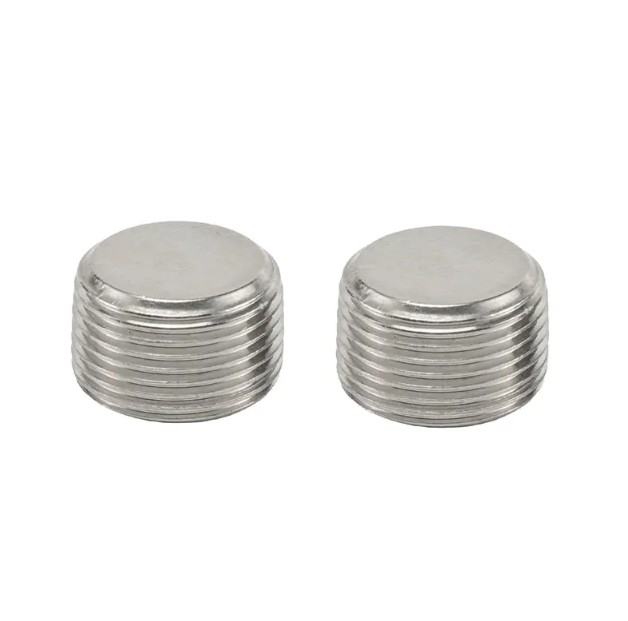
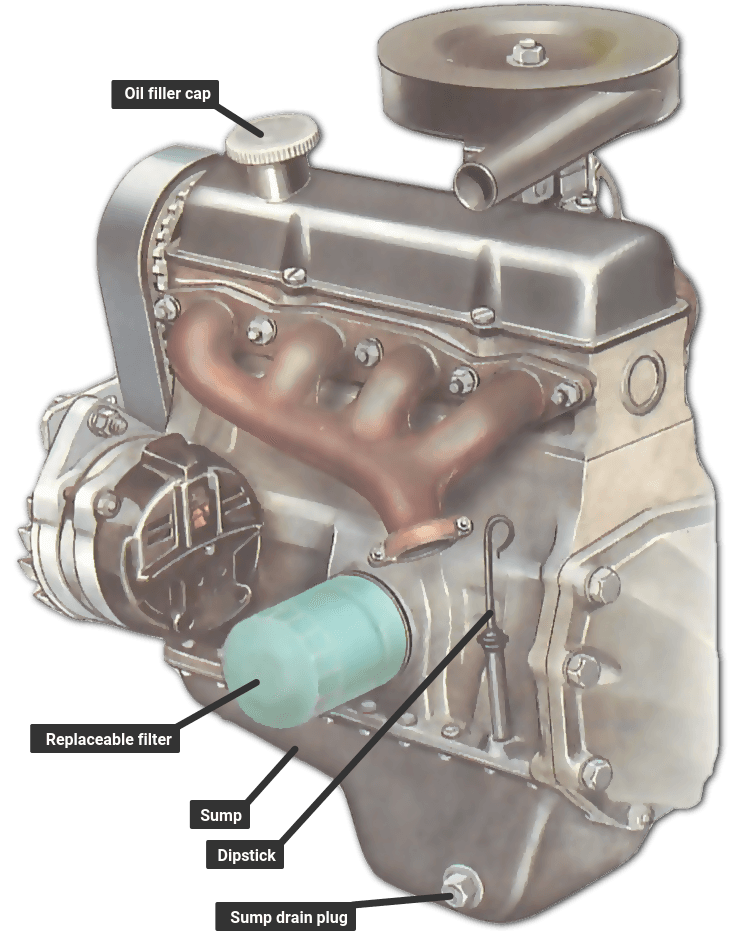
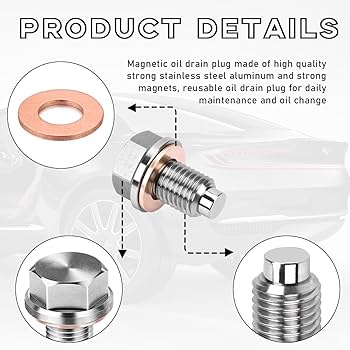
An oil plug (also known as an oil drain plug) is a threaded fastener that seals the drain port of an oil pan or reservoir. Its primary function is to provide a removable seal that prevents engine oil or lubricating fluid from leaking out while allowing for complete drainage during maintenance. The plug works in conjunction with a gasket or crush washer to create a pressure-tight seal capable of withstanding operating temperatures and fluid pressures within the system.
Equipment Types and Applications
Oil plugs are used across a wide range of equipment requiring lubrication systems. The most common applications include:
- Automotive engines (passenger vehicles, trucks, motorcycles)
- Small engines (lawn mowers, generators, ATVs)
- Industrial machinery (compressors, pumps, hydraulic systems)
- Marine engines (outboard motors, inboard boat engines)
- Agricultural equipment (tractors, harvesters)
Different equipment types require plugs with specific thread sizes, material compositions, and torque specifications. For example, plastic oil pans in modern vehicles typically use plugs torqued to 45 N·m ± 7 N·m (33 lb·ft ± 5 lb·ft), while aluminum oil pans require 60 N·m ± 9 N·m (44 lb·ft ± 6 lb·ft).
Verifying Specification Compatibility
To ensure an oil plug is compatible with your equipment, verify these critical specifications:
Thread Specifications
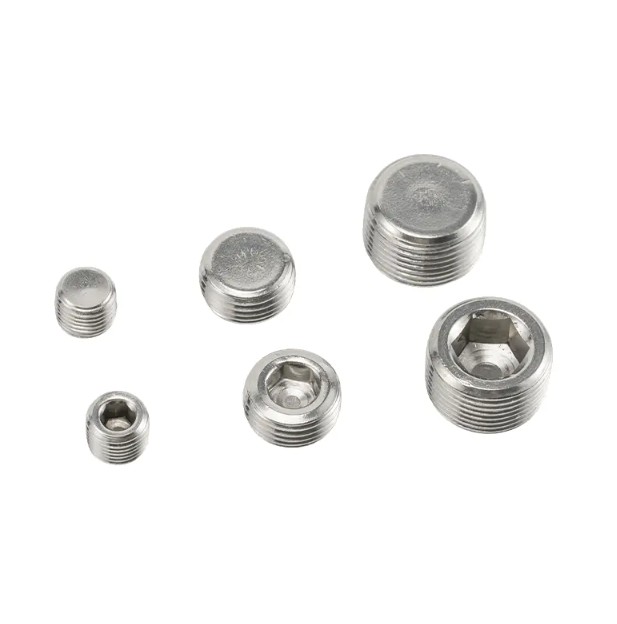
Check the thread diameter and pitch (e.g., M18×1.5, M12×1.25). Using a plug with incorrect thread geometry will result in cross-threading or incomplete sealing.
Material Compatibility
Ensure the plug material matches or exceeds the application's requirements. Dissimilar metals can cause galvanic corrosion, particularly in marine or high-humidity environments.
Torque Range
Confirm the plug can withstand the manufacturer's specified torque. Common passenger vehicles typically require 18–25 ft-lbs (24–34 N·m), while specific models like the Honda CR-V specify 18 ft-lbs (24 N·m).
Installation Steps
Proper installation is critical to prevent leaks and thread damage. Follow this procedure:
- Warm the engine for 2–3 minutes to ensure complete drainage, then turn it off and allow it to cool briefly to avoid burn hazards.
- Clean the drain plug threads and oil pan mating surface thoroughly to remove debris, old gasket material, and metal shavings.
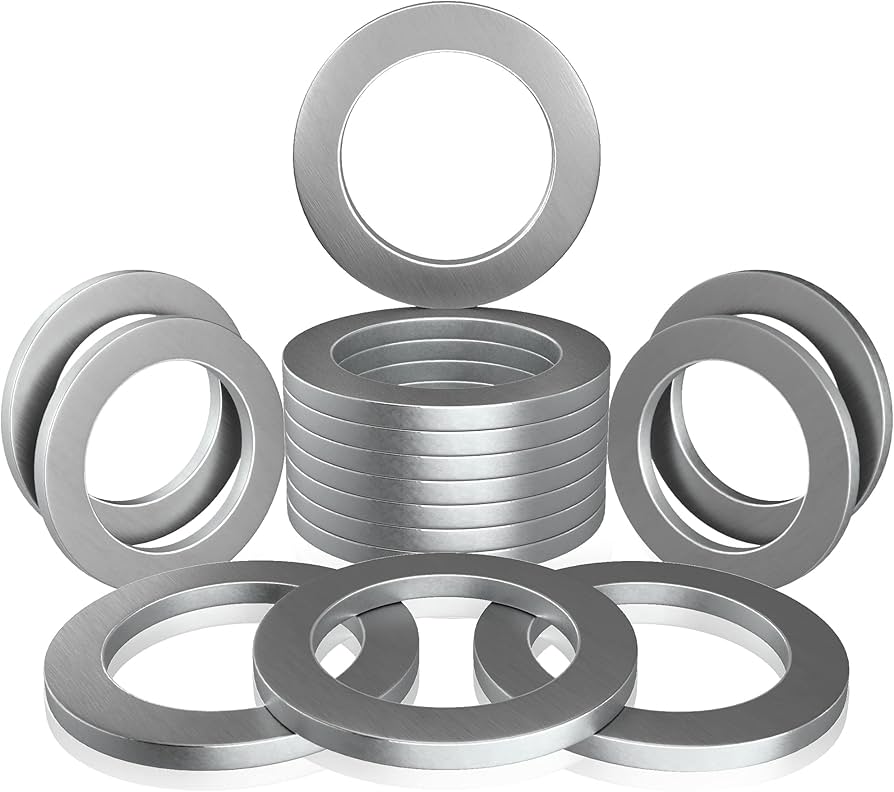
- Install a new crush washer or O-ring seal. Never reuse an old crushed washer as it has already deformed and will not create a reliable seal.
- Thread the plug by hand to prevent cross-threading. Turn until finger-tight.
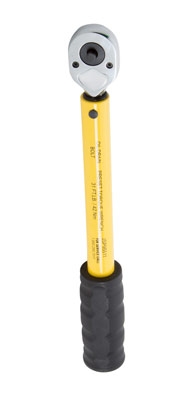
- Using a torque wrench with the appropriate socket, tighten to the manufacturer's specification. For most vehicles, this ranges from 18–25 ft-lbs (24–34 N·m).
- Run the engine for 2–3 minutes and inspect for leaks around the plug.
Optimal Replacement Timing
Oil plugs should be replaced under the following conditions:
- During every oil change, if the plug shows wear, rounding, or corrosion
- Immediately, if the plug is stripped, cracked, or has damaged threads
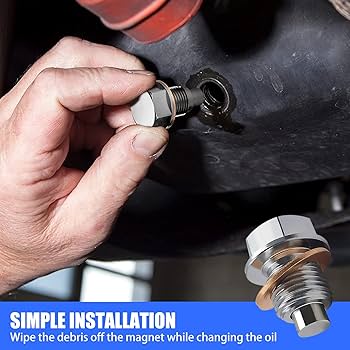
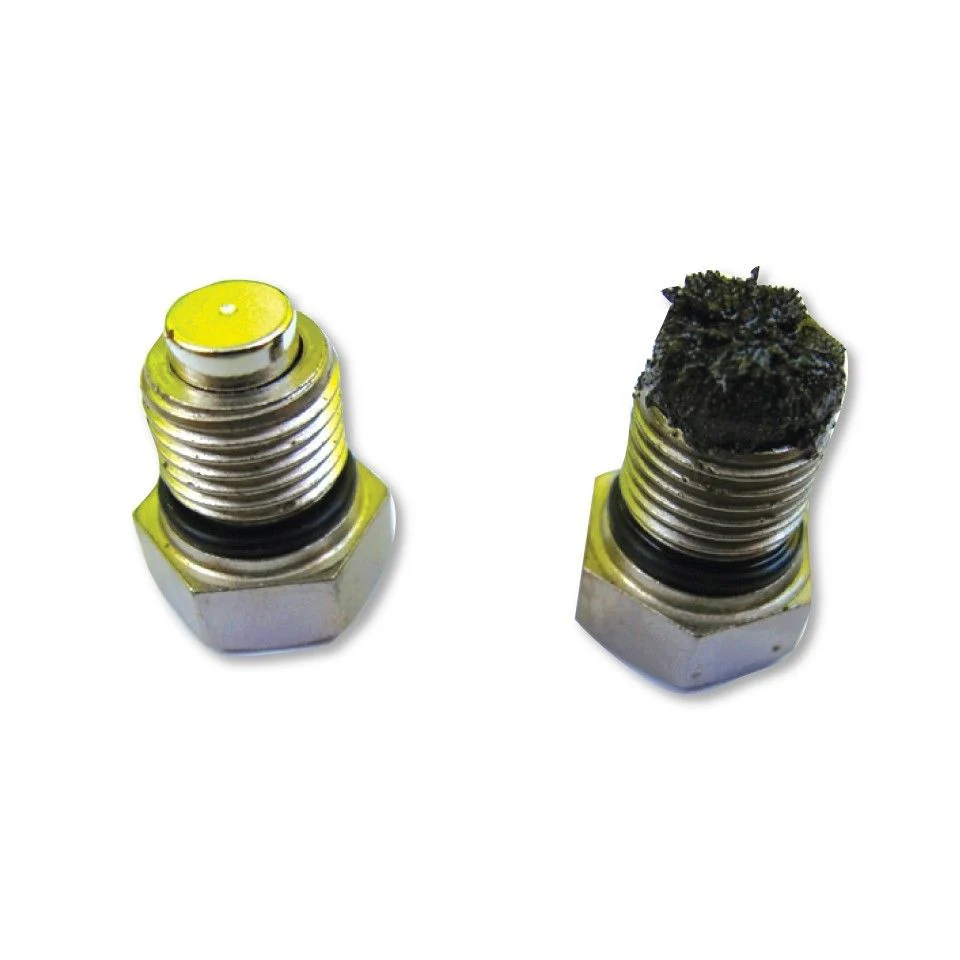
- When the magnetic feature (if equipped) shows reduced particle collection capacity
- After approximately 100,000 miles of operation, as gaskets naturally age and harden
For equipment operating in severe conditions (dusty environments, heavy loads), inspect plugs more frequently per the maintenance schedule—typically every 100–200 operating hours.
Persistent Leakage Causes
If oil leakage continues after installation, investigate these common causes:
| Cause | Symptom | Solution |
|---|---|---|
| Worn or aged gasket | Slow seepage after 100k+ miles | Replace crush washer/O-ring |
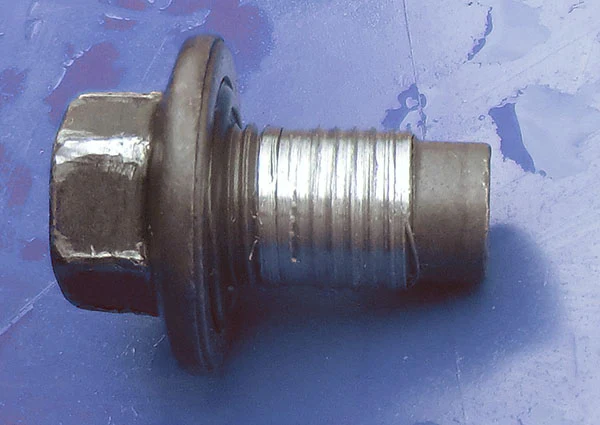
| Over-tightening damage | Stripped threads, deformed plug head | Replace plug, repair threads if possible |
| Cross-threading | Plug tightens at angle, leaks immediately | Replace plug, inspect pan threads |
| Cracked plug body | Visible crack, rapid leakage | Replace plug immediately |
Aluminum plugs are particularly susceptible to cracking or flaking due to the material's softness. If the drain plug bore threads are damaged, the entire oil pan may require replacement—a repair costing several hundred dollars versus the minimal cost of a new plug.

Consequences of Overtightening
Overtightening an oil plug creates severe mechanical failures:
- Stripped threads: Exceeding torque specifications strips the threads in the oil pan, making future sealing impossible without thread repair kits or pan replacement.
- Plug damage: Soft aluminum plugs can deform, crack, or break off completely, leaving fragments in the oil pan.
- Seal deformation: Excessive force crushes gaskets beyond their design limits, compromising the seal and causing immediate or delayed leakage.
- Oil pan cracking: In extreme cases, over-torquing can crack the oil pan itself, especially with plastic or aluminum pans.
Always use a calibrated torque wrench rather than relying on "feel" or impact tools. A short-handle ratchet (8-inch) provides better control than long-handle wrenches that multiply applied force.
Stainless Steel vs. Aluminum Alloy Comparison
Material selection significantly impacts performance and longevity:
| Property | Stainless Steel | Aluminum Alloy |
|---|---|---|
| Tensile Strength | 515–1300 MPa | 100–400 MPa |
| Weight | Heavier (~3× aluminum) | Lightweight (1/3 of steel) |
| Corrosion Resistance | Superior (rust-resistant) | Good (forms oxide layer) |
| Heat Dissipation | Moderate | Excellent |
| Durability | High (resists deformation) | Moderate (softer, prone to damage) |
| Best Application | Long-term use, harsh environments | Weight-critical, high-performance vehicles |
Stainless steel plugs are ideal for long-term durability and corrosion resistance in oil and moisture environments, while aluminum plugs are preferred for high-performance applications where weight reduction is critical.
Critical Installation Precautions
To ensure leak-free operation and prevent damage:
- Always use a new crush washer or O-ring during each installation. Reused washers have already deformed and cannot create a proper seal.
- Hand-thread first to prevent cross-threading. If resistance is felt immediately, back out and realign.
- Use a torque wrench to achieve exact specifications. Avoid air tools or long breaker bars that make controlling torque difficult.
- Clean mating surfaces thoroughly. Even microscopic debris can compromise the seal.
- Inspect threads on both the plug and oil pan before installation. Look for cross-threading, galling, or corrosion.
- Apply anti-seize compound sparingly if recommended by the manufacturer, but avoid getting it on the sealing surface.
- Verify post-installation by running the engine and checking for leaks within the first few minutes of operation.
Frequently Asked Questions
Can I reuse an oil drain plug?
While the plug itself can be reused if undamaged, never reuse the crush washer or gasket. Inspect the plug threads and head for rounding or cracks before reinstallation.
What happens if I under-tighten the oil plug?
Under-tightening allows oil to seep past the seal, causing gradual leakage that can lead to low oil levels and potential engine damage. Always verify torque with a wrench.
Are magnetic oil plugs worth the investment?
Magnetic plugs capture ferrous metal particles suspended in oil, providing early warning of internal engine wear. They are particularly valuable for high-performance or high-mileage engines.
How do I remove a stripped oil plug?
Use a 6-point socket (not 12-point) for better grip. If the head is rounded, specialized extraction sockets or welding a nut to the plug head may be necessary. Avoid chisels or punches that could damage the oil pan.
Do different oil pan materials require different plugs?
Yes. Plastic pans typically use plugs torqued to 45 N·m, aluminum pans to 60 N·m, and the plug material should be compatible to prevent galvanic corrosion.