
 Français
 Español
 Deutsch

An M8 boss on a die-cast aluminum transmission housing strips the first time a torque wrench passes 28 Nm. The line stops, the housing goes into a scrap bin, and the real cost is not the housing. It ...
READ MORE
Three-hole threaded insert Supplier
Three-hole threaded insert
-
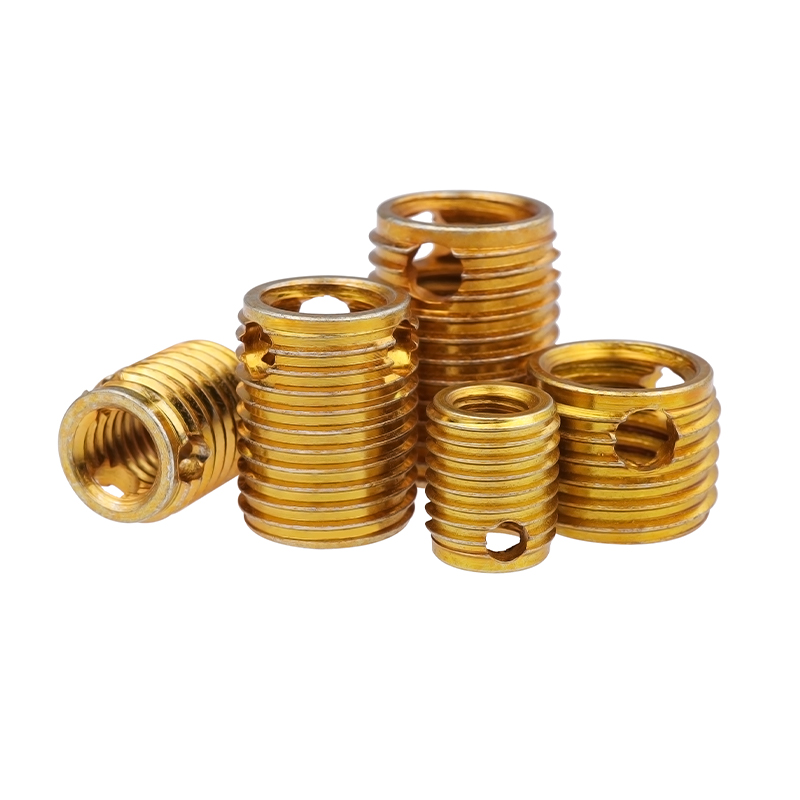 Carbon Steel Three-Hole Insert is a carbon steel threaded insert featuring three positioning holes. Compared with standa...
-
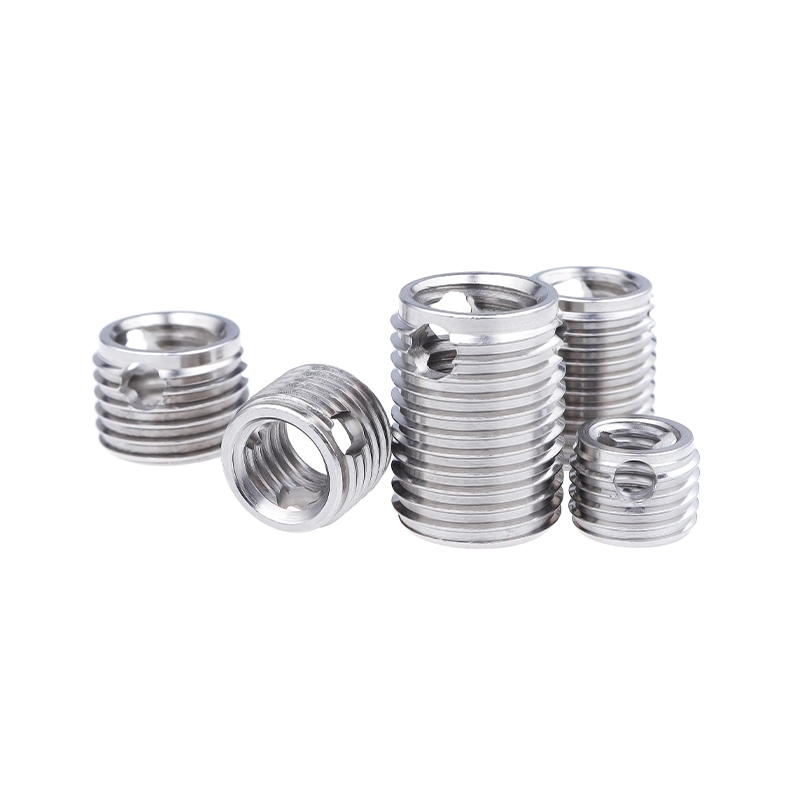 Stainless Steel Three-Hole Insert is a threaded insert with three evenly distributed positioning holes. Using a dedicate...
307/308type(three holetype)self tapping screw sleeve. 308 is a reinforced version of 307, both of which are only in length; This product has three self-tapping circular grooves, easy to assemble, high-strength threads, and shock resistance.
Suitable for: aluminum alloy, cast iron, soft steel.
Company Profile

Dongtai Jinzhize Metal Products Co., Ltd.
As 3-Hole Thread Insert Factory and Three-hole threaded insert Supplier, Dongtai Jinzhize Metal Products Co., Ltd. is a specialized manufacturing facility dedicated to threaded connection products for the automotive and aerospace sectors. We primarily produce Helical Wire Inserts, Self-Tapping Inserts, Key Locking Inserts, Threaded Adapters, Oil Plugs, as well as matching installation taps and tools.
Established in 2015, the company operates from a 10,000-square-meter-owned manufacturing plant equipped with hundreds of machine tools and automated production systems. Through years of development, we have built an experienced team of design, development, and production specialists, complemented by a rigorous quality management system and comprehensive after-sales service mechanism.
Our products are widely utilized in the automotive industry (including engines and transmissions for both passenger and commercial vehicles), the aerospace industry, and rail vehicle manufacturing.
With an annual output value of 153 million RMB in 2024, we possess the capability for a large-scale, stable supply. We are committed to providing customers with highly consistent, traceable products and reliable service support.
News
-
-
A purchasing engineer signs off on a drawing for a transmission housing insert. The note reads "316 stainless, 30 HRC." The first supplier quotes cold-drawn bar. The second ships annealed stock and c...
READ MORE -
A machinist running 304 stainless on a CNC lathe knows the routine: slower surface speeds, shorter tool life, stringy chips that wrap around the toolholder, and a finished thread that has to be gauge...
READ MORE -
A drawing lands on a machinist's bench. The callout says "303 stainless" for a small threaded oil drain plug and a batch of self-tapping inserts. Nobody asks whether the part will be strong enough, b...
READ MORE -
If you are about to tap a 9/16 thread, the first specification you need is the 9/16 tap drill size. For a 9/16-12 UNC coarse thread, the standard tap drill is 31/64 inch (0.4844 inch), and for a 9/16...
READ MORE
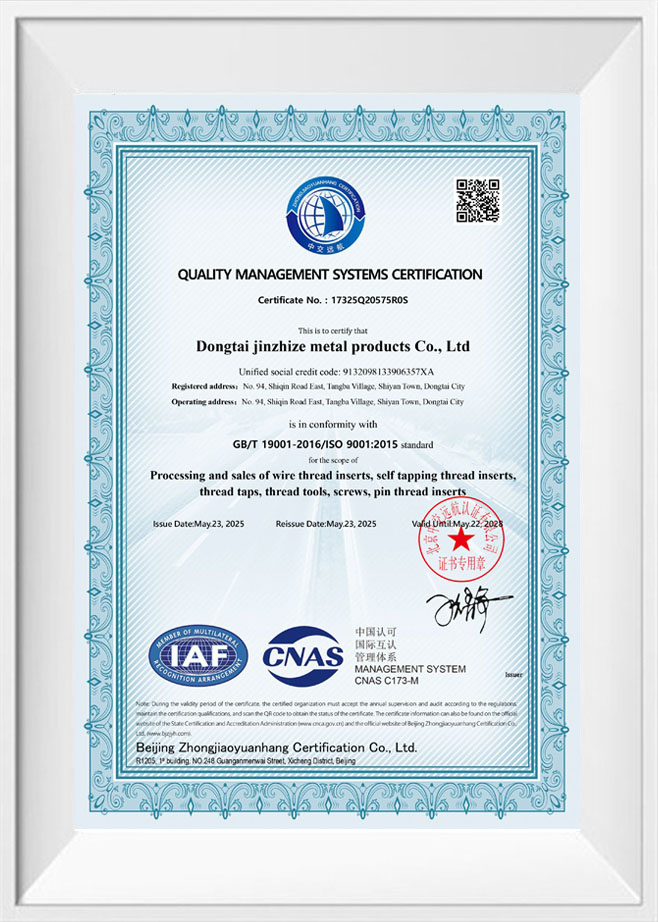
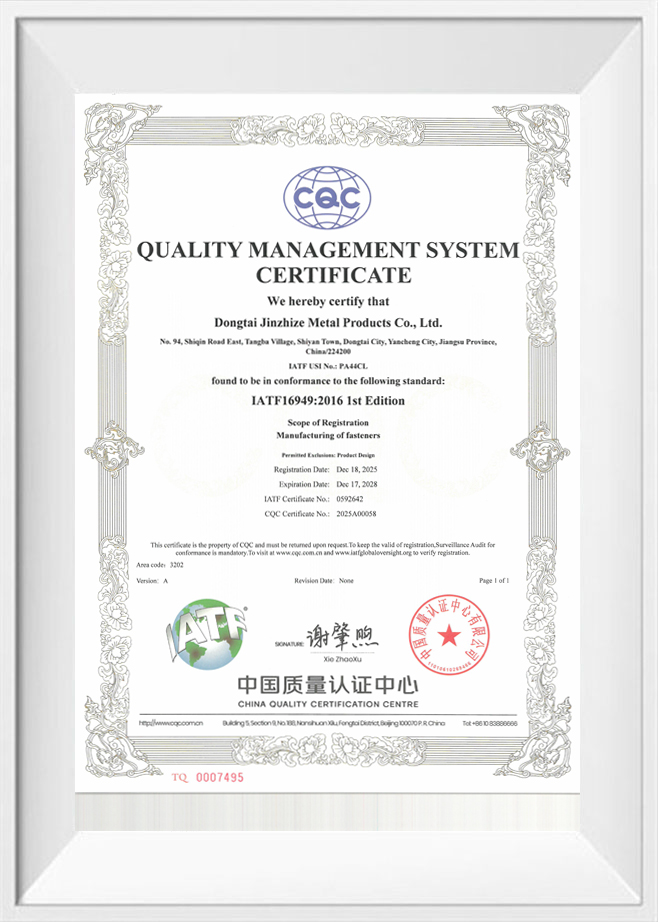
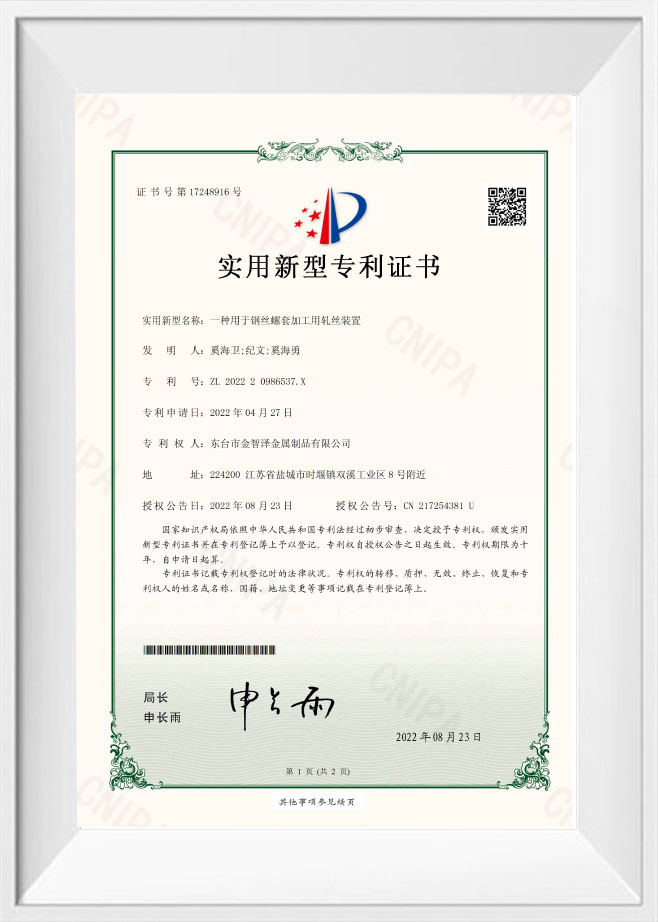
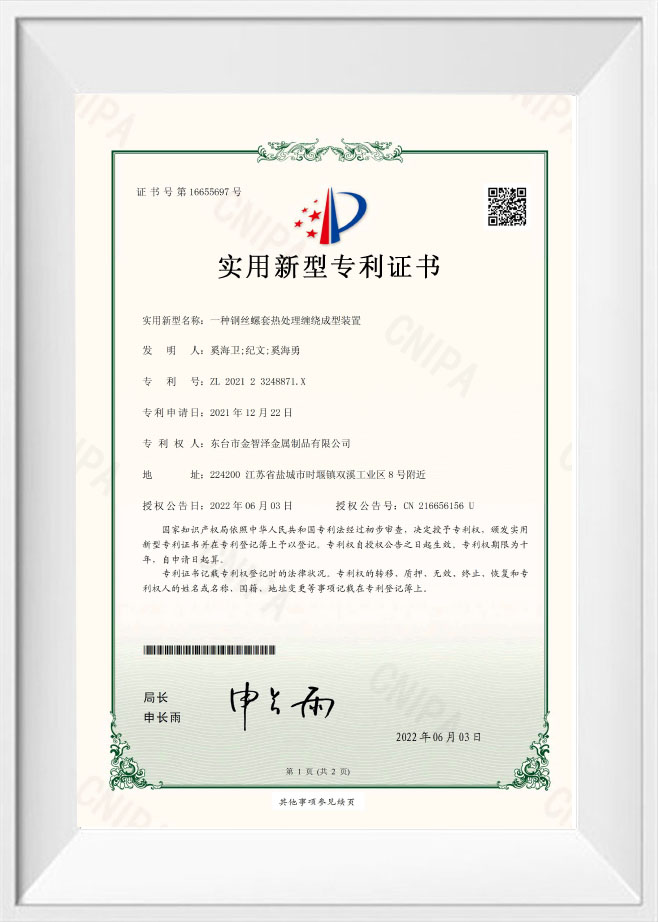
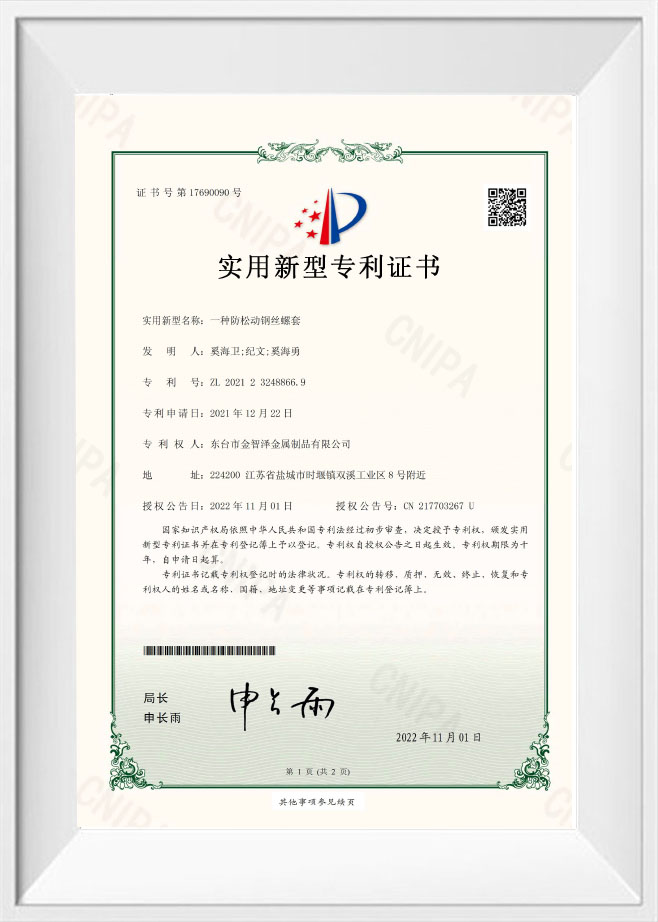
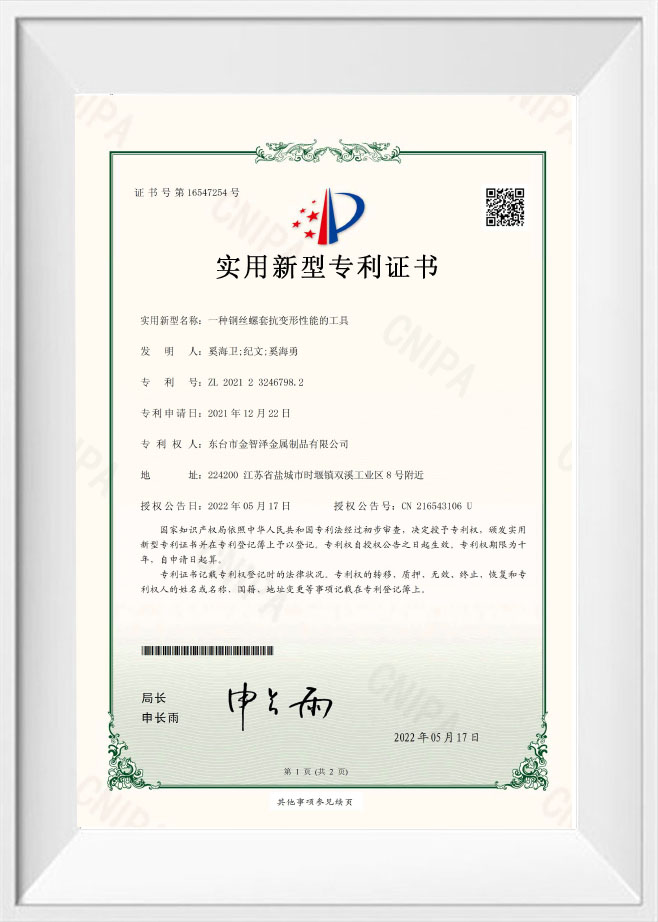
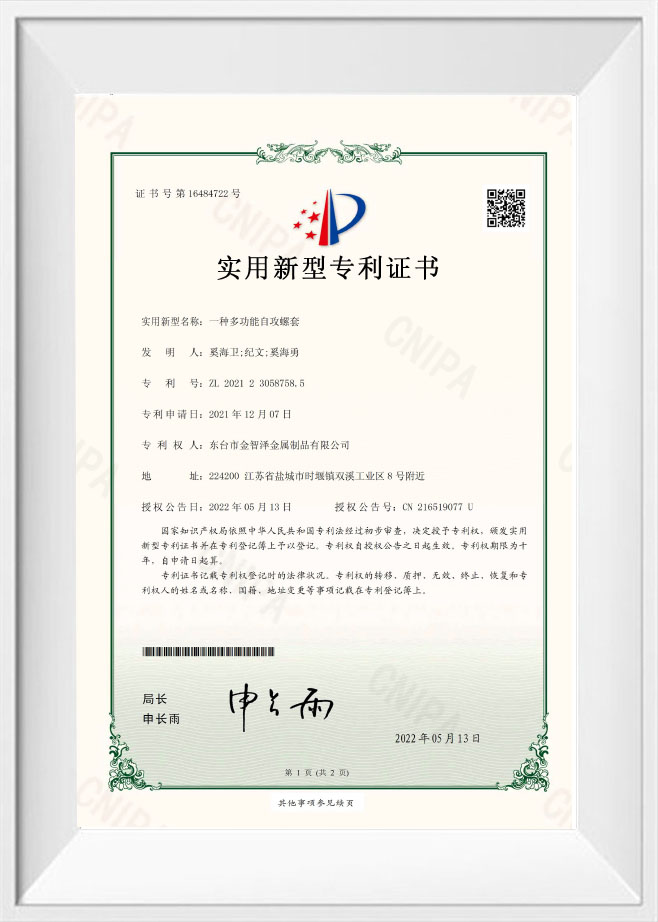
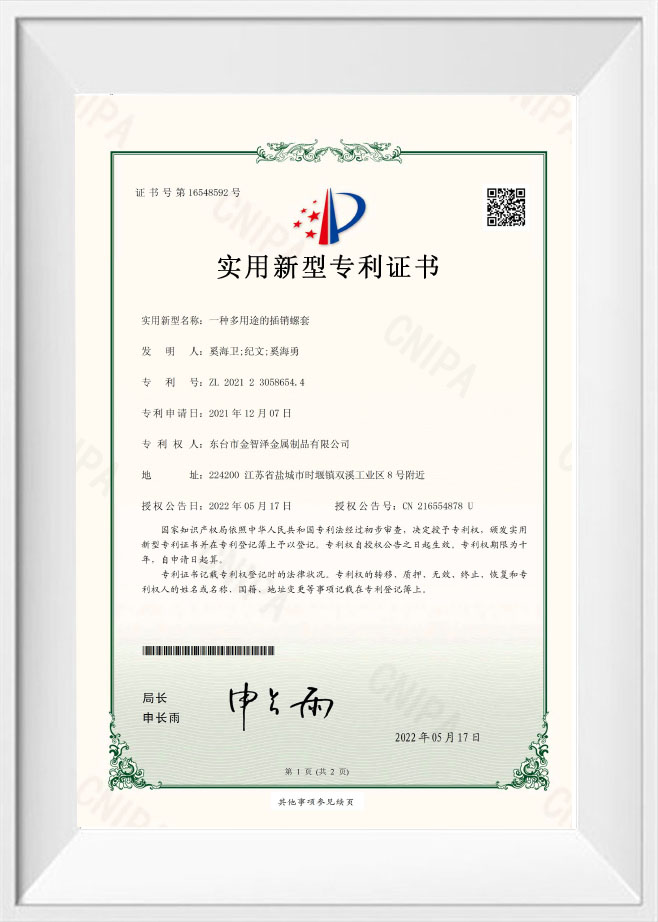
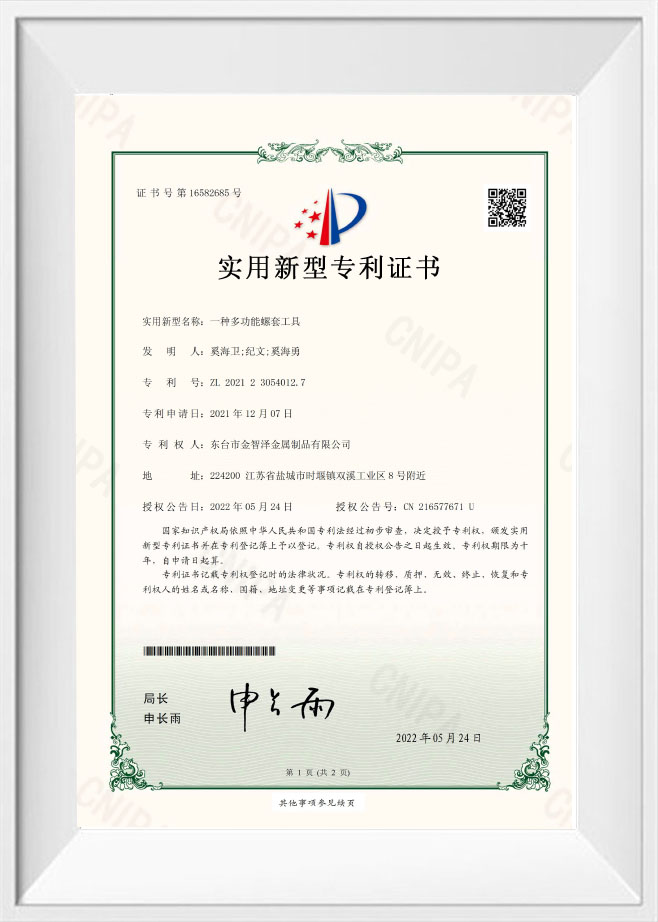
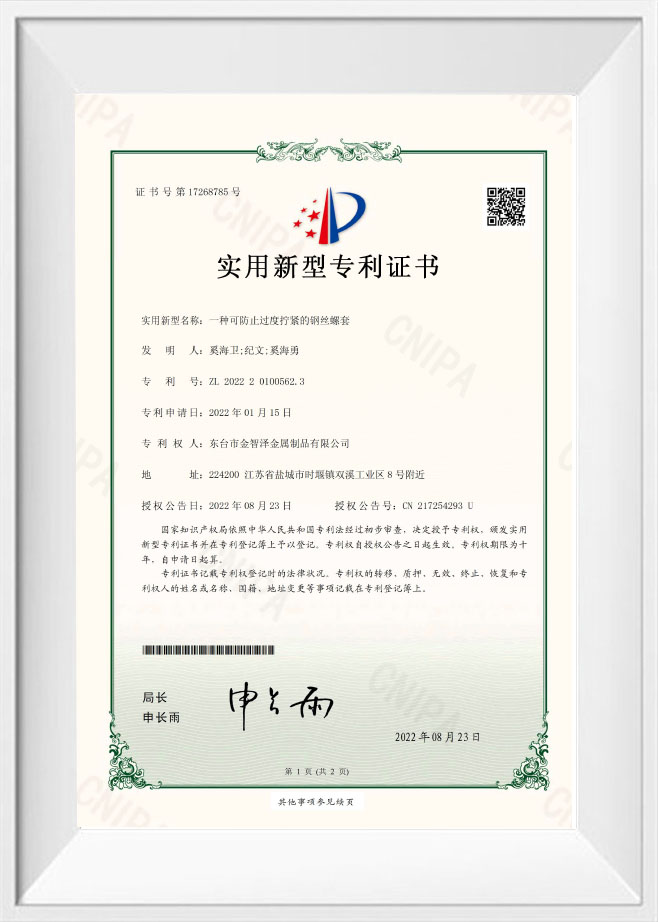
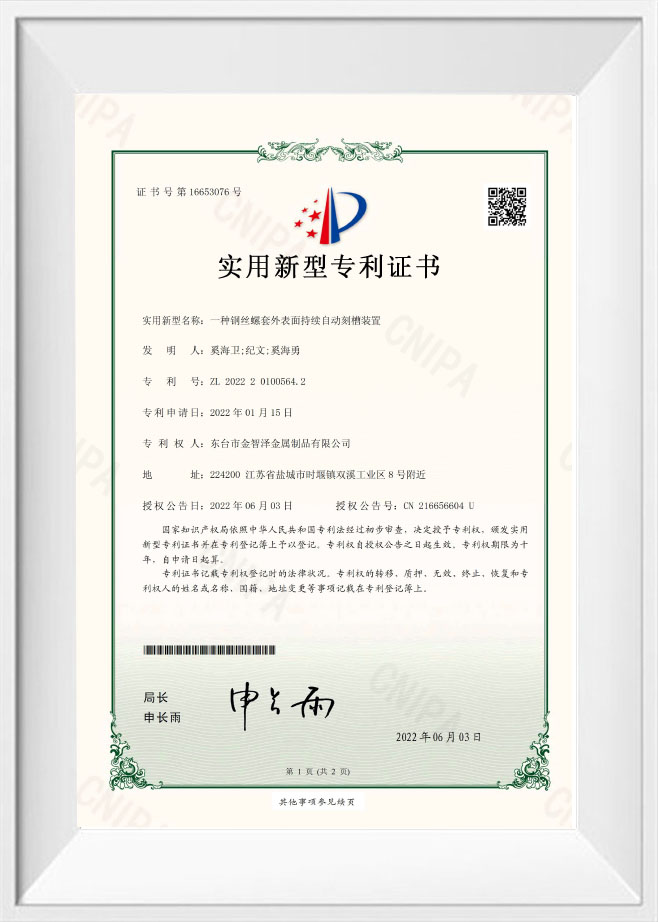
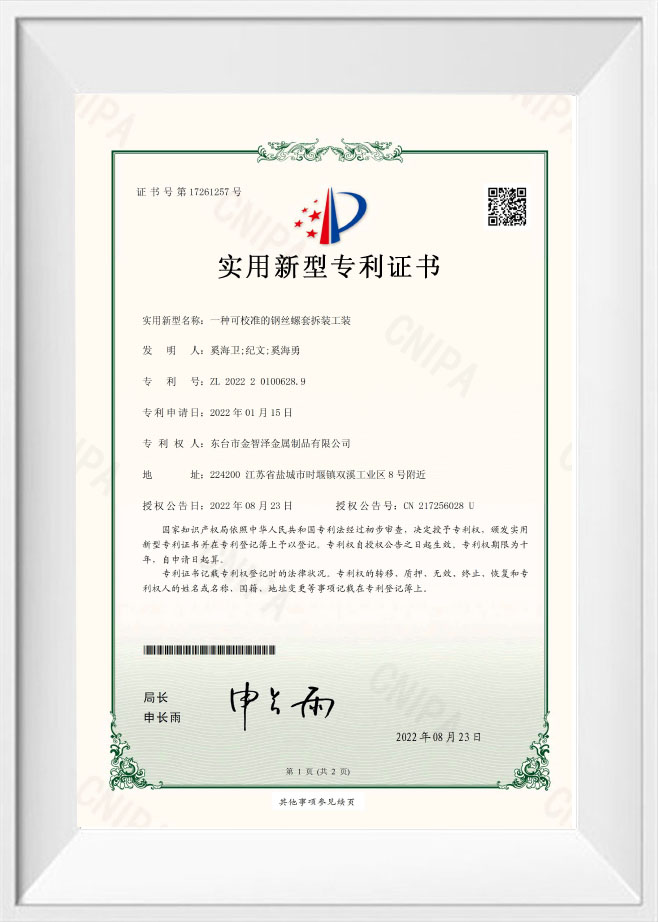
Certificate Of Honor
Three-hole threaded insert Industry knowledge
The three-hole threaded insert, as a high-efficiency connecting element, operates on a similar core principle to traditional threaded bushings. However, its unique structural design solves the jamming problem inherent in traditional products when machining low-strength materials.
What is the working principle of three-hole threaded insert?
The three-hole threaded insert operates primarily through the following three aspects:
1. Self-tapping cutting principle: Equipped with self-tapping thread cutting grooves, this insert eliminates the need for additional tapping tools during installation. When the insert is screwed into the substrate (such as aluminum alloy, cast iron, or mild steel), the cutting grooves within the insert automatically create internal threads, forming a high-strength connection.
2. Impact absorption and strength enhancement: The design of three circular grooves effectively absorbs impact loads without sacrificing strength, increasing overall vibration and pull-out resistance.
3. Core pin anti-torsion design: Compared to traditional L307/L308 series bushings, this product significantly enhances torsional resistance by inserting a core pin between the insert and the substrate hole, preventing the insert from jamming due to excessive torque.
This design makes it particularly suitable for high-strength connections of low-strength materials, ensuring a tight and durable connection.
| Tools Required for Installing Self-Tapping Threaded Inserts | ||
| Tool Type | Suitable Size | Function & Features |
| P-shaped Tool | M6 and below (including M6, fine thread specifications) | Used for installing small-sized inserts. Provides precise torque support, preventing slippage or seizure in small holes. |
| S-shaped Tool | Above M6 | Used for installing large-sized inserts. Offers greater torque support, suitable for handling thicker or harder materials. |
| Break-off Tool | All sizes | Used to break off the remaining trunnion (guide pin), ensuring the insert is flush with the material surface. |
What tools are needed to install self-tapping threaded bushings?
Although they are self-tapping bushings, the installation process requires specific tools to ensure cutting accuracy and efficiency:
1. P-shaped tool: Used for installing small-gauge threaded bushings of M6 and below. This tool better adapts to small-sized threaded bushing structures, ensuring smooth cutting.
2. S-shaped tool: Used for installing large-gauge threaded bushings of M6 and above. It provides greater torque support and is suitable for handling thicker materials.
3. Dedicated installation machine: For mass production or scenarios requiring high efficiency, a matching automated installation machine or hydraulically driven manual tool is typically used for installation. This tool uses relative axial movement to press the safety flange of the threaded bushing against the substrate surface, ensuring accurate installation positioning.
| Product Features and Application Scenarios | |
| Feature | Detailed Description |
| High-Strength Connection | Made from high-strength steel, providing excellent pull-out strength and torque resistance. |
| Shock Absorption | Designed with three circular grooves to effectively absorb impact loads, reducing the risk of breakage. |
| Trunnion Anti-Twist Design | Features a pin structure between the insert and the base material hole, significantly enhancing anti-twist performance and preventing seizure. |
| Applicable Materials | Aluminum Alloy (lightweight components), Cast Iron (wear resistance), Soft Steel (high-strength connections). |
| Main Applications | Automotive Industry (engines, transmissions), Aerospace (high-strength connections), Rail Vehicles (high durability). |
FAQ
F: What is the purpose of the three holes in a Three-hole Threaded Insert?
Q: These three holes are typically cutting holes. They cut metal shavings when the thread is inserted into the material, helping to create a more precise threaded connection. For plastics or composites, this design prevents cracking and provides greater pull-out resistance.
F: What are the suitable mounting materials?
Q: Metal materials: Widely used for sheet metal such as steel and aluminum. Can be used to reinforce existing threaded holes or repair damaged threaded holes.
Plastic materials: Suitable for plastic parts (such as ABS, nylon). Installed by hot-melt or stamping, it can create a reliable metal threaded connection within the plastic.
F: What are the recommended mounting methods?
Q: Stamping/press-in: Using a stamping machine to press the insert into a pre-drilled hole, suitable for mass production.
Screw Lock-in: Cutting the material by rotating the external thread of the insert itself, suitable for field repairs or small-batch assembly.
Ultrasonic welding: For plastic parts, ultrasonic vibration is used to fuse the metal and plastic together, forming a high-strength connection.
F: What are the preparations before installation?
Q: Drilling: Drill a pilot hole slightly smaller than the outer diameter of the insert, according to the insert specifications.
Cleaning: Ensure the hole is free of burrs, oil, or impurities to avoid affecting the locking effect of the insert.
Let's Talk Affiliate Marketing

-
ADDRESS
No. 94, Shiqin Road East, Tangba Village, Shiyan Town, Dongtai City, China E-mail : xzy@jinzhize.com Tel : +86-15061682958 -
QUICKLINKS
-
POPULAR PRODUCT
Self-tapping Thread Insert Internal-external Thread Conversion Nut Wire Thread Insert Three-hole threaded insert Key-locking Insert Oil plug Installation tools Thread Tap -
MEDIA
Copyright © Dongtai Jinzhize Metal Products Co., Ltd. All Rights Reserved.
 3-Hole Thread Insert Factory
Three-hole threaded insert Supplier
3-Hole Thread Insert Factory
Three-hole threaded insert Supplier
3-Hole Thread Insert Factory
Three-hole threaded insert Supplier