
 Français
 Español
 Deutsch

What Is an Oil Plug and Its Primary Function An oil plug (also known as an oil drain plug) is a threaded fastener that seals the drain port of an oil pan or reservoir. Its primary function is to prov...
READ MORE
Key Locking Insert Manufacturer
Key-locking Insert
Key-Locking Inserts are high-strength thread reinforcement components designed for superior durability. These inserts are typically precision-machined from high-quality stainless steel or carbon steel. The main body features a cylindrical design with both internal and external threads. Its most distinguishing characteristic is the inclusion of one or more "key-like" protrusions or tabs (commonly referred to as "locking keys") integrated at one end or specific positions along the insert.
Due to their exceptional reinforcement and locking capabilities, these inserts are widely utilized in industries with stringent requirements for thread reliability, such as aerospace, automotive manufacturing, mold making, mechanical engineering, electronics, and medical devices. They are particularly ideal for applications subjected to frequent disassembly, high vibration, or heavy load conditions.
-
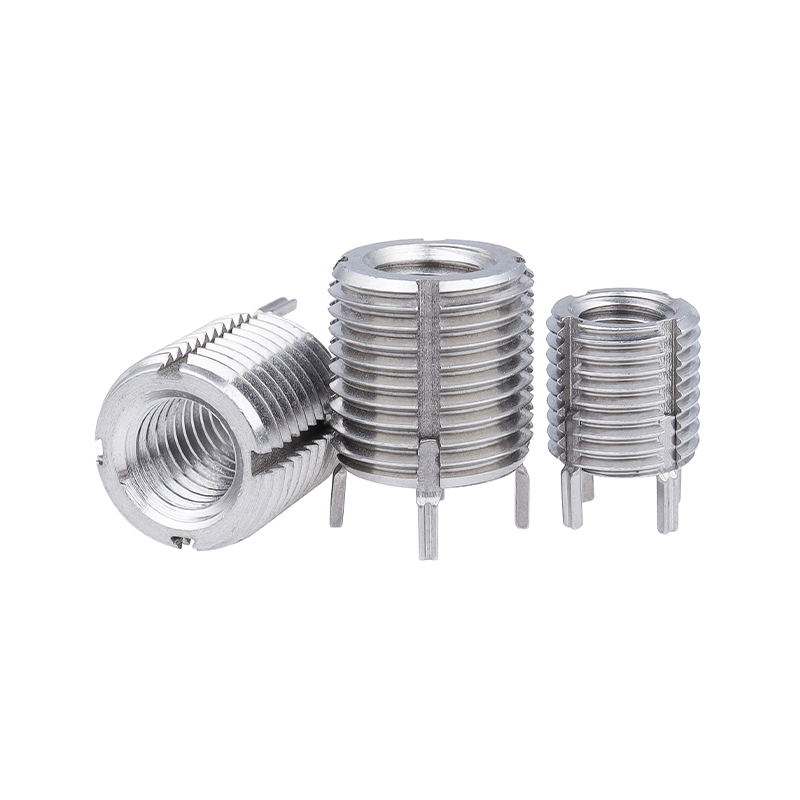 A high-strength thread reinforcement component, typically made of precision-machined stainless steel or carbon steel. It...
Company Profile

Dongtai Jinzhize Metal Products Co., Ltd.
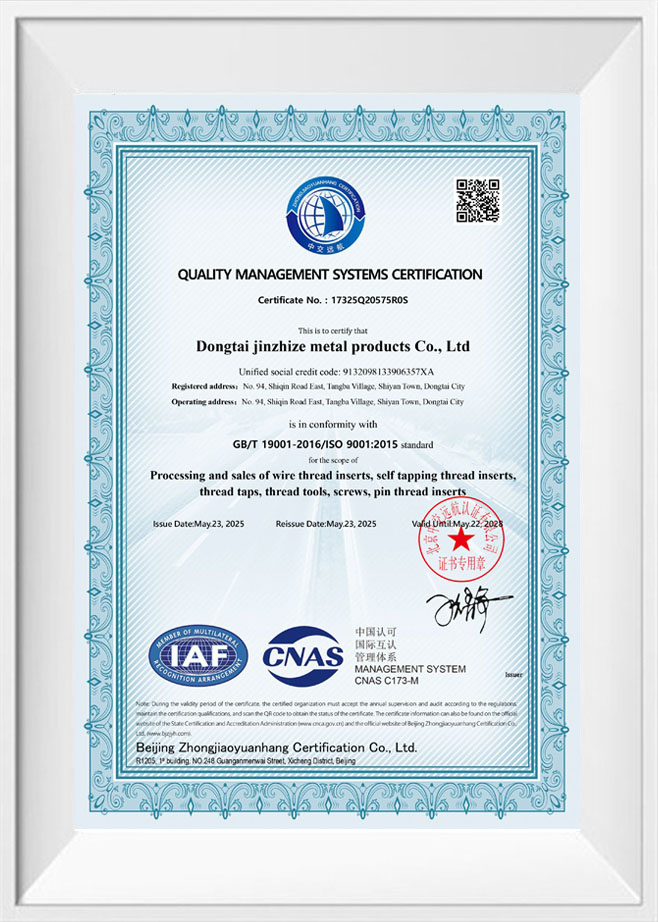
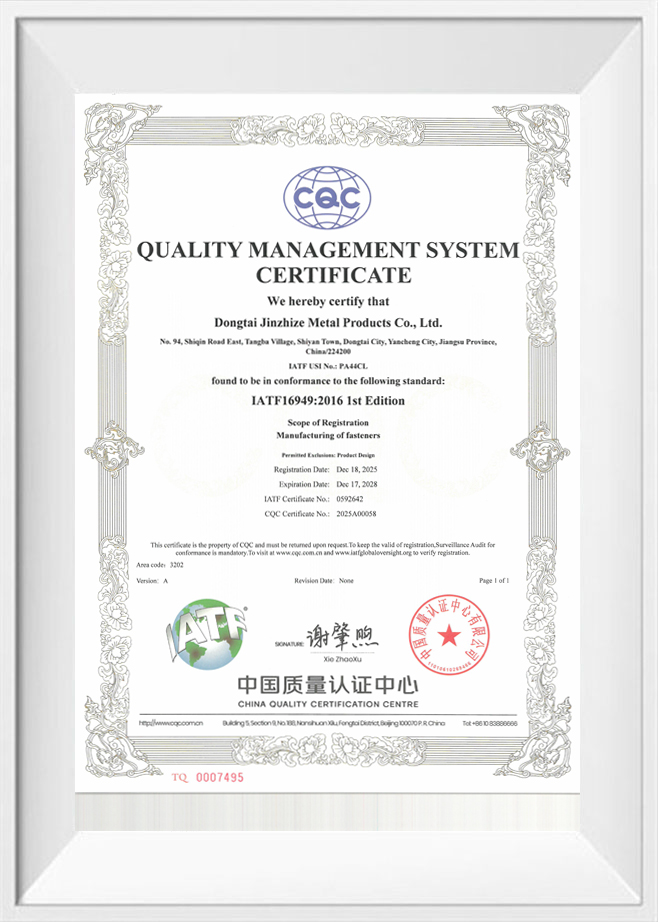
As Key Locking Insert Manufacturer and Keyed Thread Insert Factory, Dongtai Jinzhize Metal Products Co., Ltd. is a specialized manufacturing facility dedicated to threaded connection products for the automotive and aerospace sectors. We primarily produce Helical Wire Inserts, Self-Tapping Inserts, Key Locking Inserts, Threaded Adapters, Oil Plugs, as well as matching installation taps and tools.
Established in 2015, the company operates from a 10,000-square-meter-owned manufacturing plant equipped with hundreds of machine tools and automated production systems. Through years of development, we have built an experienced team of design, development, and production specialists, complemented by a rigorous quality management system and comprehensive after-sales service mechanism.
Our products are widely utilized in the automotive industry (including engines and transmissions for both passenger and commercial vehicles), the aerospace industry, and rail vehicle manufacturing.
With an annual output value of 153 million RMB in 2024, we possess the capability for a large-scale, stable supply. We are committed to providing customers with highly consistent, traceable products and reliable service support.
News
-
-
What Is a Thread Tap? A thread tap is a specialized cutting tool designed to create internal threads within pre-drilled holes. It functions by removing material (cutting taps) or displacing material ...
READ MORE -
A wire thread insert is a helically coiled fastening device made from high-tensile stainless steel wire (typically Type 304 or 316) with a diamond-shaped cross-section. It is inserted into a pre-tapp...
READ MORE -
In the era of high-precision industrial manufacturing, the reliability and durability of threaded connections have become a key factor affecting the performance and safety of equipment. Recently, thr...
READ MORE -
In the era of high-precision industrial manufacturing, the reliability and durability of threaded connections have become a key factor affecting the performance and safety of equipment. Recently, thre...
READ MORE
Related Products
-
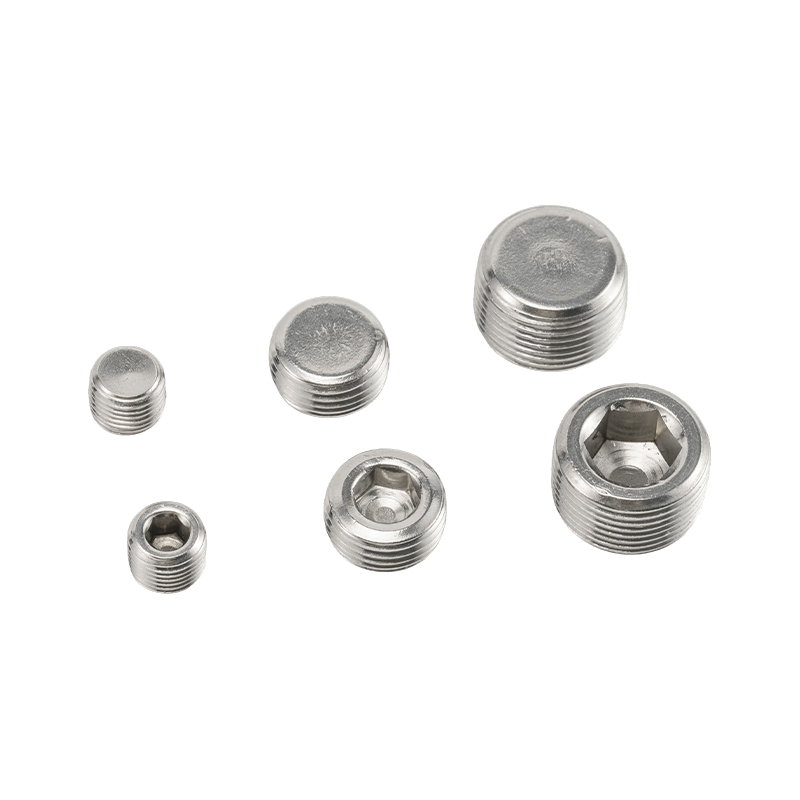
The Straight Thread Plug (Hex Socket Plug) is a high-performance sealing solution engineered for precision closure in industrial piping, reservoirs, and mechanical equipm...
-
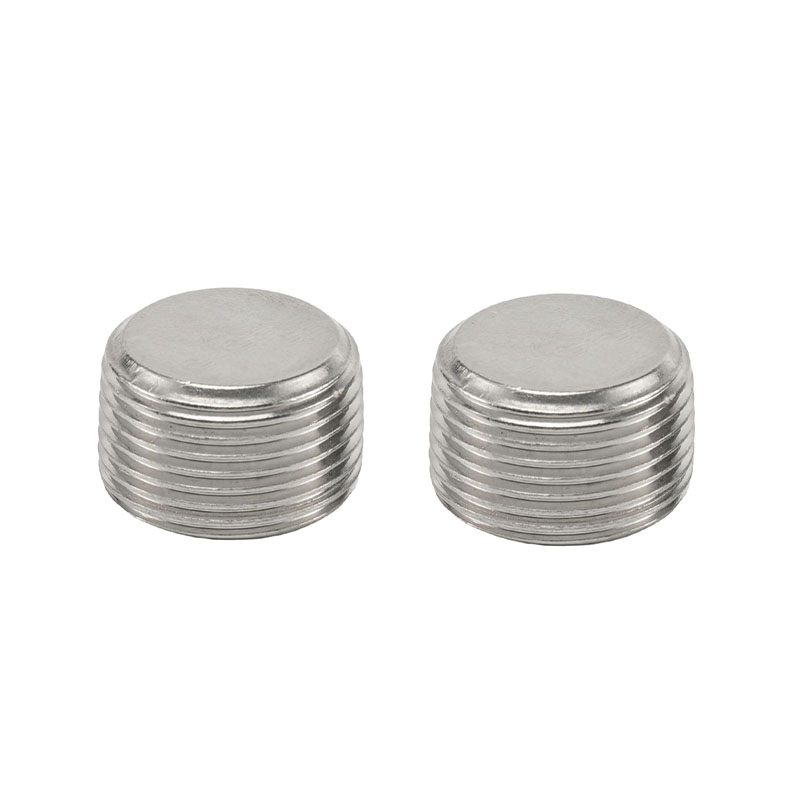
In the field of piping prefabrication and installation, precise port closure and testing are of paramount importance. The Tapered Plug is a specialized pipe fitting desig...
-
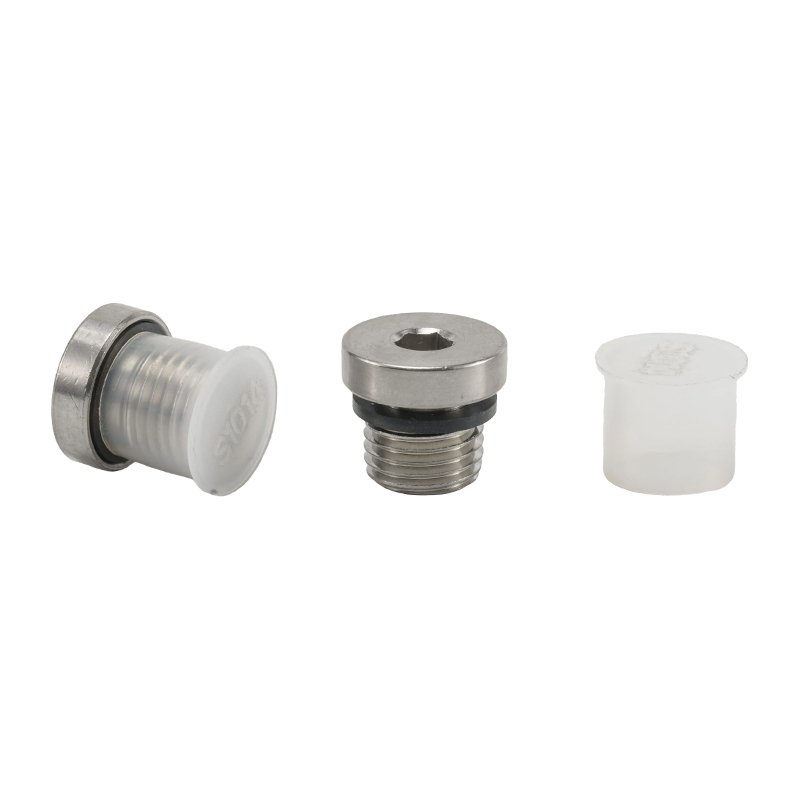
In applications such as pipeline termination, pressure testing, or equipment maintenance, there is a critical need for a sealing component that is structurally robust, re...
-
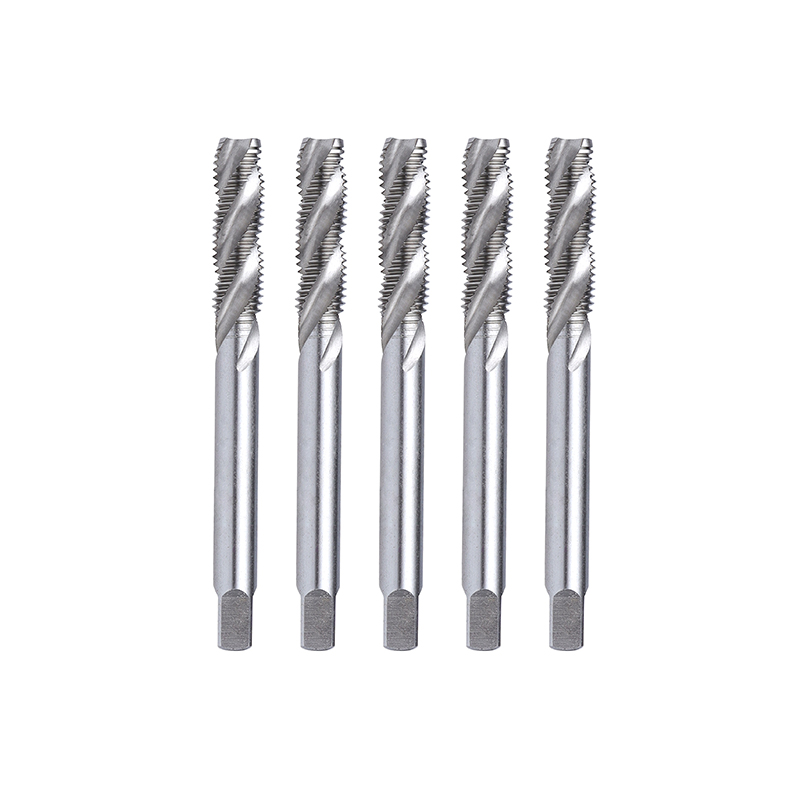
Spiral thread tap are designed for cutting deep internal threads. Unlike straight thread tap, spiral taps have helical grooves that efficiently remove chips during machin...

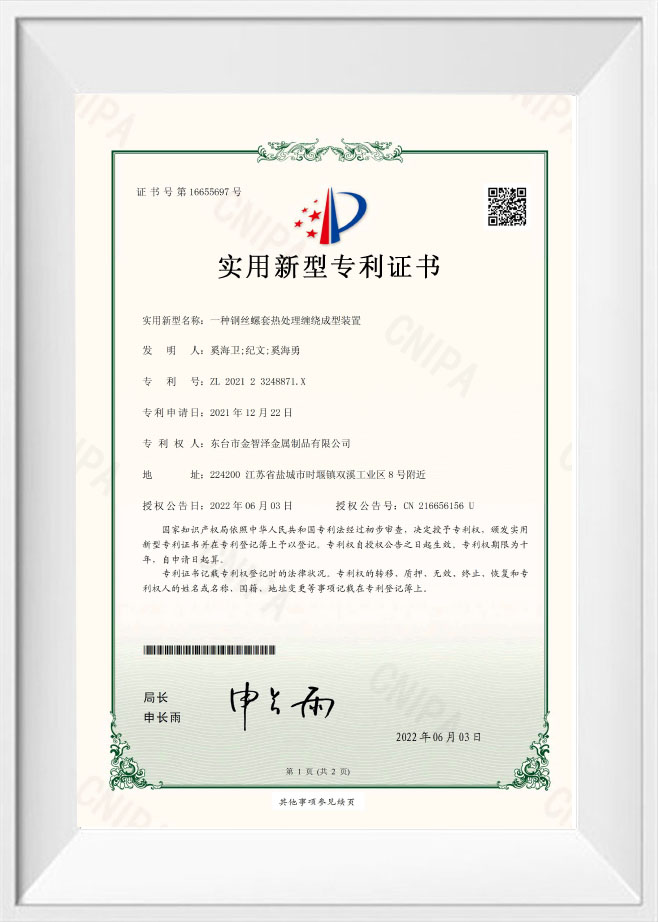
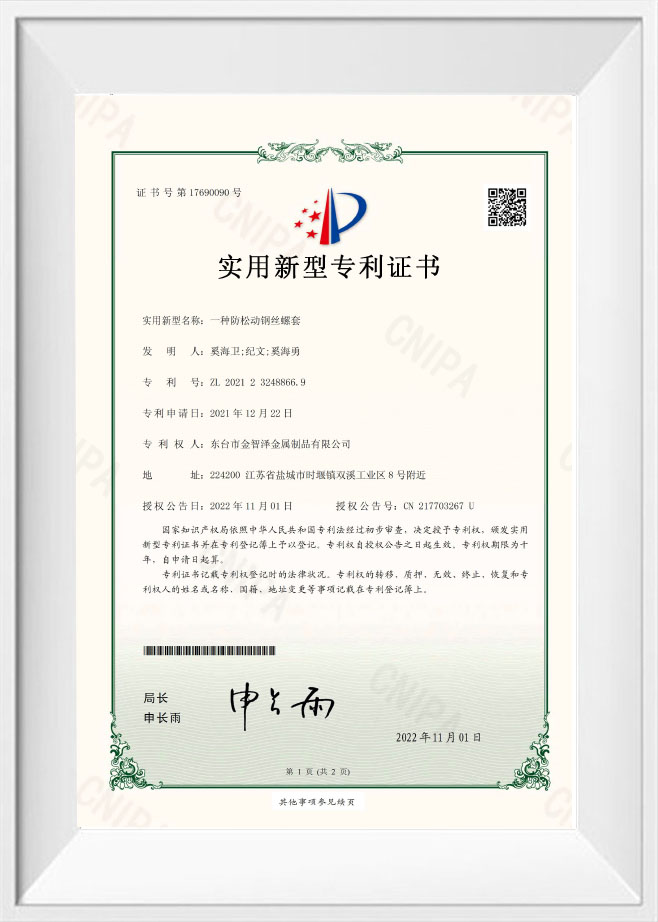
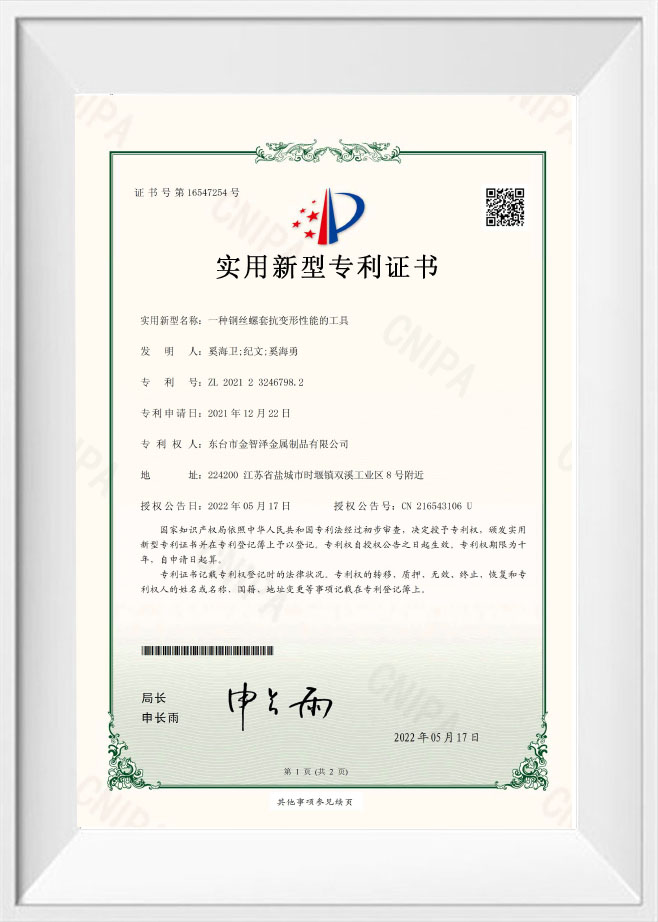
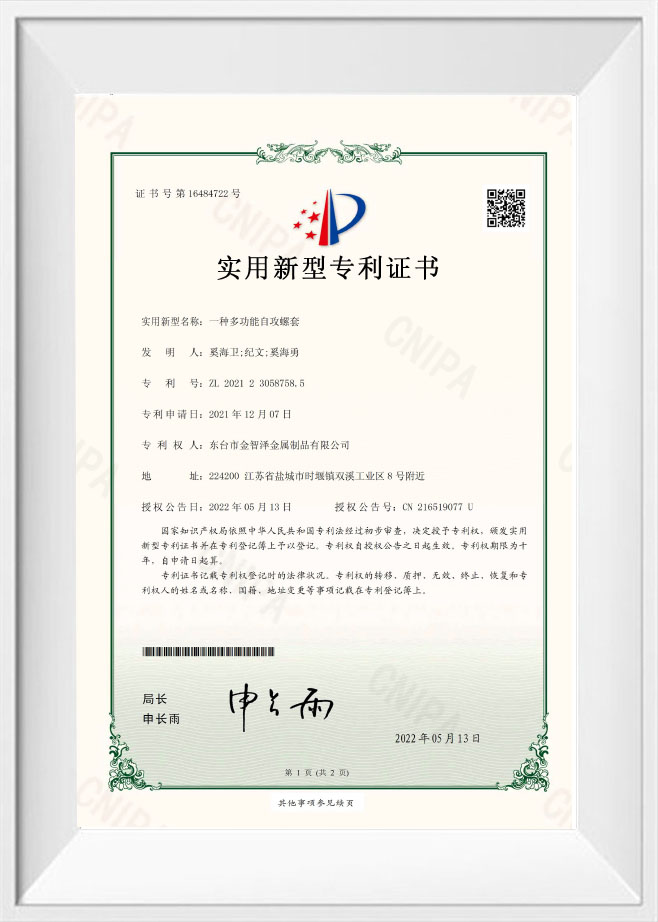
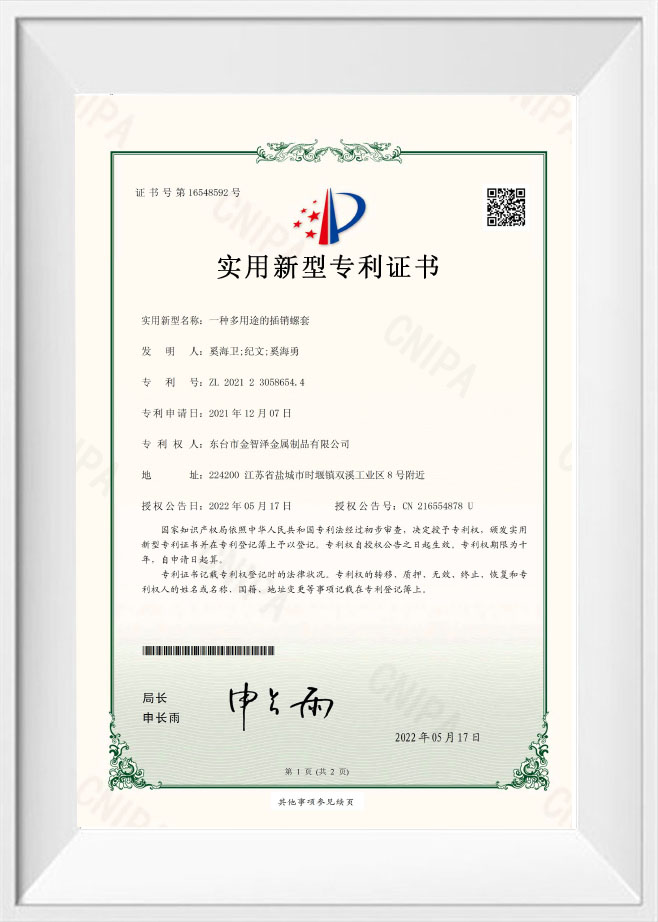
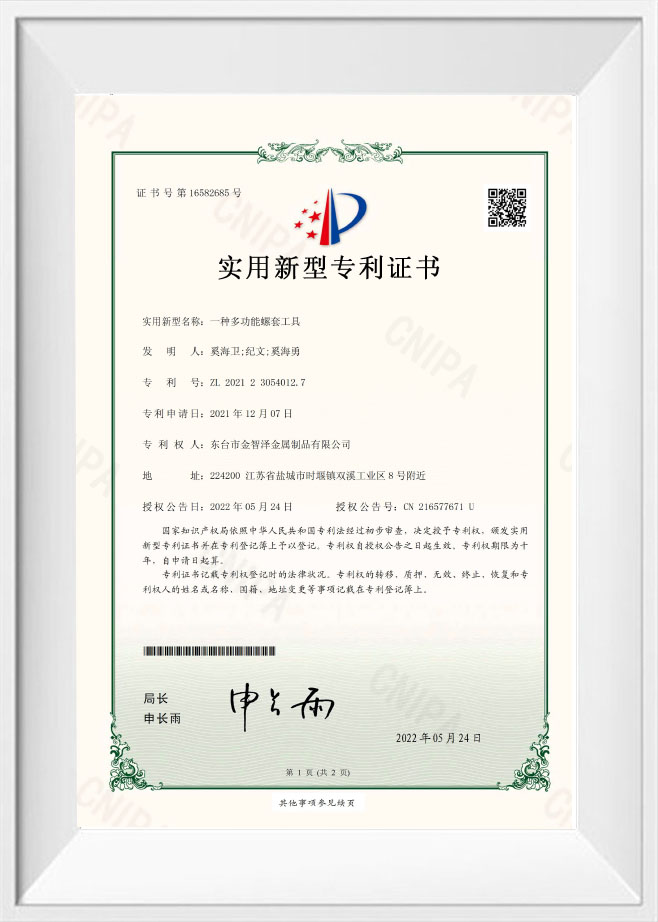
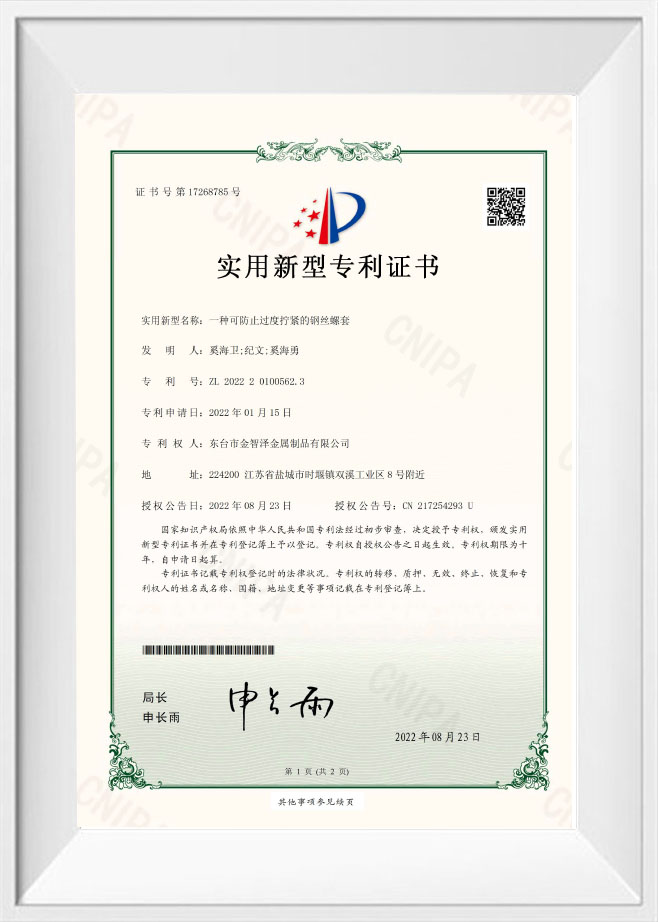
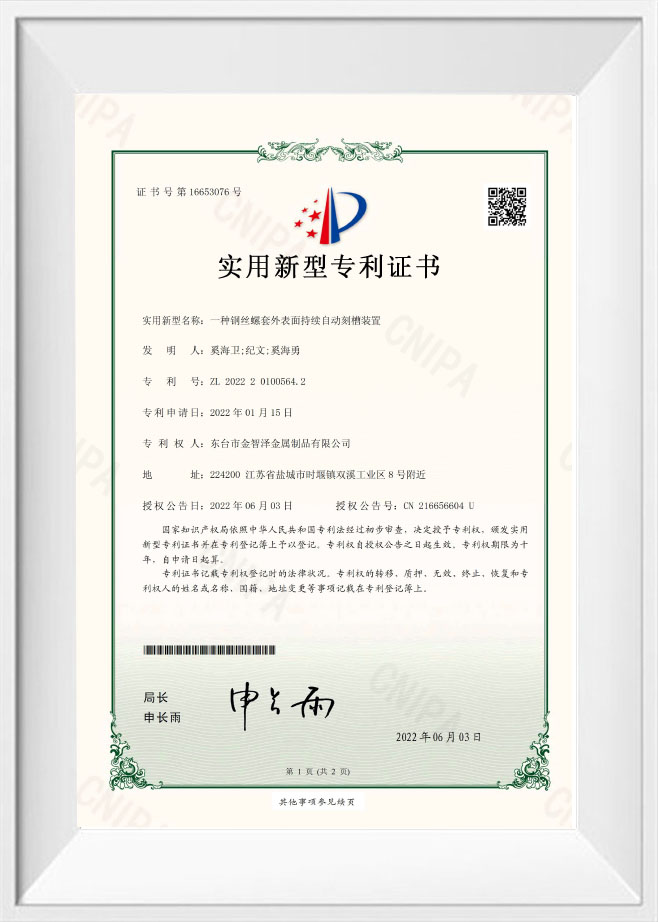
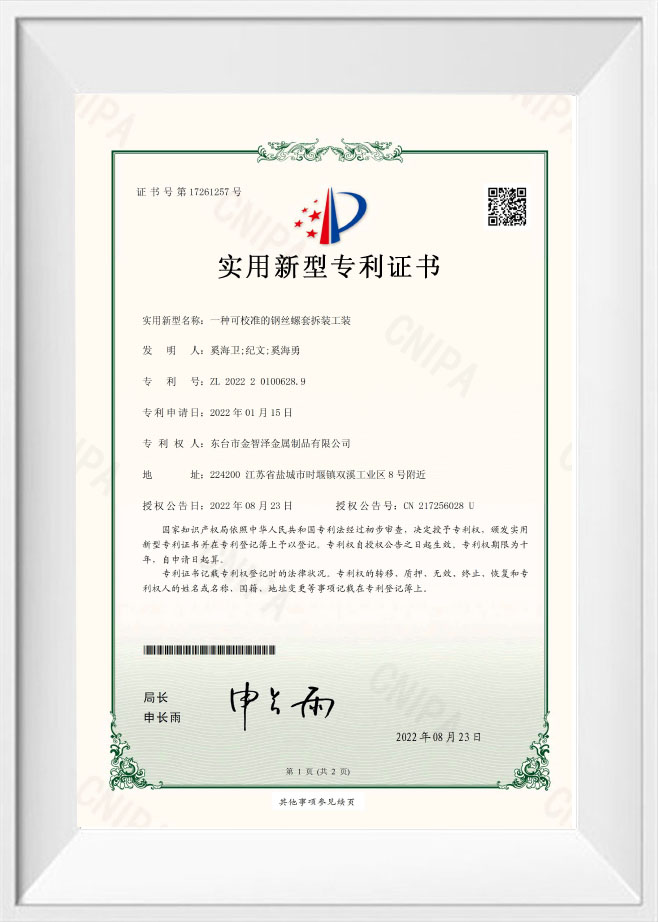
Certificate Of Honor
Key-locking Insert Industry knowledge
The Difference Between Key Locking Inserts and Ordinary Threaded Inserts
Key locking inserts and ordinary threaded inserts differ fundamentally in structural design and functional positioning. Ordinary threaded inserts primarily provide a mechanical connection through the engagement of the thread itself with the threaded parts being connected. Key locking inserts, however, add a locking mechanism, mainly reflected in the following aspects:
1. Structural Features: Ordinary threaded inserts typically only contain internal and external threads, and their locking performance depends on the tightening force of the threads. Key locking inserts, on the other hand, feature a unique "one-button" locking characteristic. The core difference lies in the integration of one or more key-like protrusions at one end or a specific location. These locking keys engage with pre-drilled holes during installation, forming a physical mechanical lock. This not only relies on the tightening force of the threads but also provides additional anti-loosening protection through the engagement of the locking keys.
2. Anti-Loosening Performance: Ordinary threaded inserts may loosen due to thread fatigue or changes in stress when subjected to high-frequency disassembly and assembly, strong vibration, or impact loads. Conversely, key locking inserts, due to their key-locking structure, maintain excellent stability under harsh environments with high vibration, impact loads, and frequent disassembly and assembly. This significantly reduces the risk of accidents caused by loose connections in critical components such as aerospace and automotive engines.
3. Application Scenarios: While ordinary threaded inserts are widely used in general manufacturing, their application is often limited to situations with lower anti-loosening requirements. Key locking inserts, due to their superior locking capabilities, are designed specifically for industries with high vibration, heavy loads, or high safety requirements (such as aerospace, automotive transmission systems, and precision molds), ensuring high-strength fastener connections even under extreme conditions.
| Table 1: Differences Between Key Locking Inserts and Ordinary Threaded Inserts | ||
| Comparison Dimension | Key Locking Insert | Ordinary Threaded Insert |
| Core Structure | Features a “key-like protrusion” (locking key) at one end or specific positions | Consists only of internal and external threads |
| Locking Principle | Achieves mechanical locking through locking key insertion into a pre-set hole, in addition to thread engagement | Relies solely on friction and torque of the threads to maintain the connection |
| Anti-Loosening Capability | Excellent; suitable for high vibration, impact loads, and frequent disassembly | General anti-loosening; prone to loosening under high-frequency disassembly or severe vibration |
| Main Application Scenarios | Aerospace, automotive engines, molds, precision machinery, etc., where high safety is required | General machinery, furniture, ordinary electronics, and other low-requirement scenarios |
| Cost and Process | Higher cost; complex manufacturing (requires key machining), installation requires specialized tools | Lower cost; simpler manufacturing process, more convenient installation |
How to Choose the Appropriate Key Locking Insert Specification?
Choosing the appropriate key locking insert specification is crucial for ensuring connection quality. It requires comprehensive consideration based on the specific working environment, stress requirements, and installation conditions, primarily evaluated from the following dimensions:
1. Dimensional Parameters (Nominal Diameter and Pitch):
Nominal Diameter (D): This is the most basic dimensional parameter. The appropriate insert diameter should be selected based on the diameter of the hole to be machined and the thread specification of the connected parts. A diameter that is too small will result in insufficient locking force, while a diameter that is too large will prevent smooth assembly.
Pitch (P): The pitch determines the thread density of the connector. When selecting, the pitch specification of the bolt or nut should be strictly matched (e.g., M6×1.0). A mismatched pitch will lead to installation difficulties or a loose connection.
2. Material and Strength Grade:
Material Type: Commonly used materials include stainless steel (e.g., 304, 316) and carbon steel (e.g., 45#, GCr15). Stainless steel has excellent corrosion resistance and is suitable for humid or chemically corrosive environments; carbon steel has higher strength and toughness and is suitable for high-load, wear-resistant applications.
Strength Grade: Select the appropriate strength grade based on the working load. If the insert needs to withstand high torque or tensile force, high-strength steel should be selected or surface treatments (e.g., carburizing, nitriding) should be applied.
3. Locking Key Shape and Quantity:
Number of Locking Keys: The more locking keys, the larger the locking area and the stronger the locking force. Common locking key designs include single, double, or multiple locking keys. High-load or high-vibration environments (such as engine components) typically require double or multiple locking key designs to enhance resistance to loosening.
Key Position: The locking key is usually located at one end or in a specific position. It is necessary to ensure that a matching locking mechanism is pre-drilled in the mounting hole. Without a pre-drilled locking mechanism, effective locking cannot be achieved.
4. Installation Tools and Technical Requirements:
Installation Tools: Key locking inserts usually require a dedicated installation key for assembly. During installation, a wrench or similar specialized tool must be used to ensure the locking key accurately engages in the pre-drilled hole.
Installation Accuracy: Due to the involvement of the locking key's locking mechanism, high positioning accuracy is required during installation. A trial installation is recommended before final installation to ensure the locking key engages smoothly.
5. Working Environment:
Temperature: If the working environment is high-temperature (such as inside an engine compartment), high-temperature resistant materials (such as heat-resistant stainless steel) must be selected.
Corrosivity: In highly corrosive environments, it is recommended to use high-grade stainless steel or corrosion-resistant carbon steel to extend service life.
| Table 2: Guidelines for Selecting the Appropriate Key Locking Insert Specification | ||
| Selection Dimension | Key Considerations | Specific Recommendations |
| Size Matching | Nominal Diameter (D) and Pitch (P) | Must strictly match the drilled hole and bolt specifications; mismatched diameters lead to installation difficulties or insufficient locking force. |
| Material Selection | Stainless Steel vs Carbon Steel | Prefer stainless steel (e.g., 304/316) in humid or corrosive environments. Choose carbon steel (e.g., 45#) for high-load, wear-resistant, or high-strength requirements. |
| Locking Key Design | Number of Locking Keys and Position | For high-load or high-vibration environments, consider double or multiple locking key designs. Ensure the pre-set hole has a corresponding slot to accommodate the locking key. |
| Installation Conditions | Installation Tools and Precision Requirements | Must use a dedicated installation key and an impact wrench. Ensure the locking key can be accurately inserted; trial installation is recommended. |
| Working Environment | Temperature and Corrosiveness | High-temperature environments (e.g., engine compartments) require heat-resistant materials. Highly corrosive environments require high-grade stainless steel or carbon steel with anti-corrosion treatment. |
FAQ
Q: What is the difference between a key-locking insert and a regular threaded insert (such as Heli-coils)?
A: Locking Mechanism: Regular threaded inserts primarily provide locking force through thread interference, while key-locking inserts provide additional mechanical locking force through an external "locking key."
Durability: Key-locking inserts are generally more durable than regular threaded inserts, especially suitable for high-vibration, high-load environments (such as aerospace and precision machinery).
Q: What are some common materials?
A: Stainless steel (such as 1.4305/AISI 303): Corrosion-resistant, suitable for aerospace, marine, and other environments requiring high corrosion resistance.
Carbon steel (such as 4140): High strength, wear-resistant, but generally does not provide self-locking functionality.
Q: How to install?
A: Installing a key-locking insert typically involves the following steps:
Drilling: Drill a hole according to the insert's specifications.
Tapping: Tap the external thread using a tap of the appropriate thread size.
Installing the Insert: Manually screw the insert in.
Drive the locking key: Use a special tool (such as a hammer) to tap the top of the threaded sleeve to insert the locking key into the base material and lock it in place.
Check: Confirm that the threaded sleeve cannot be rotated or pulled out.
Let's Talk Affiliate Marketing
-
ADDRESS
No. 94, Shiqin Road East, Tangba Village, Shiyan Town, Dongtai City, China E-mail : [email protected] Tel : +86-15061682958 -
QUICKLINKS
-
POPULAR PRODUCT
Self-tapping Thread Insert Internal-external Thread Conversion Nut Wire Thread Insert Three-hole threaded insert Key-locking Insert Oil plug Installation tools Thread Tap -
MEDIA
Copyright © Dongtai Jinzhize Metal Products Co., Ltd. All Rights Reserved.
 Keyed Thread Insert Supplier
Keyed Thread Insert Supplier