
 Français
 Español
 Deutsch
What Is an Oil Plug and Its Primary Function An oil plug (also known as an oil drain plug) is a threaded fastener that seals the drain port of an oil pan or reservoir. Its primary function is to prov...
READ MORE
Products
Home / Products

Custom Thread Rpair & Insert Fittings Suppliers
Home / Products
Sealing Components Manufacturer
Products
-
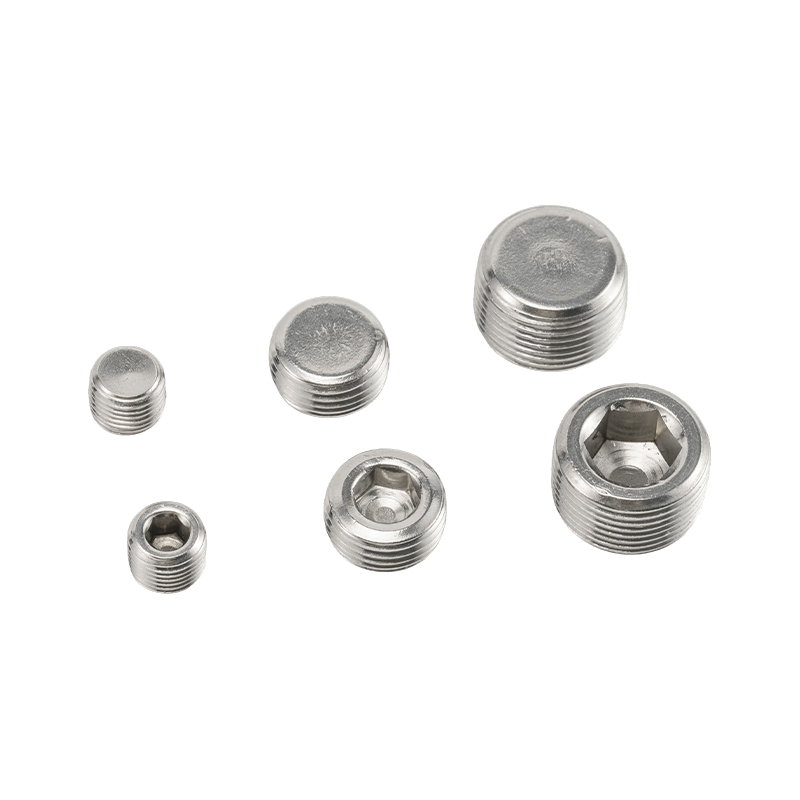 The Straight Thread Plug (Hex Socket Plug) is a high-performance sealing solution engineered for precision closure in in...
-
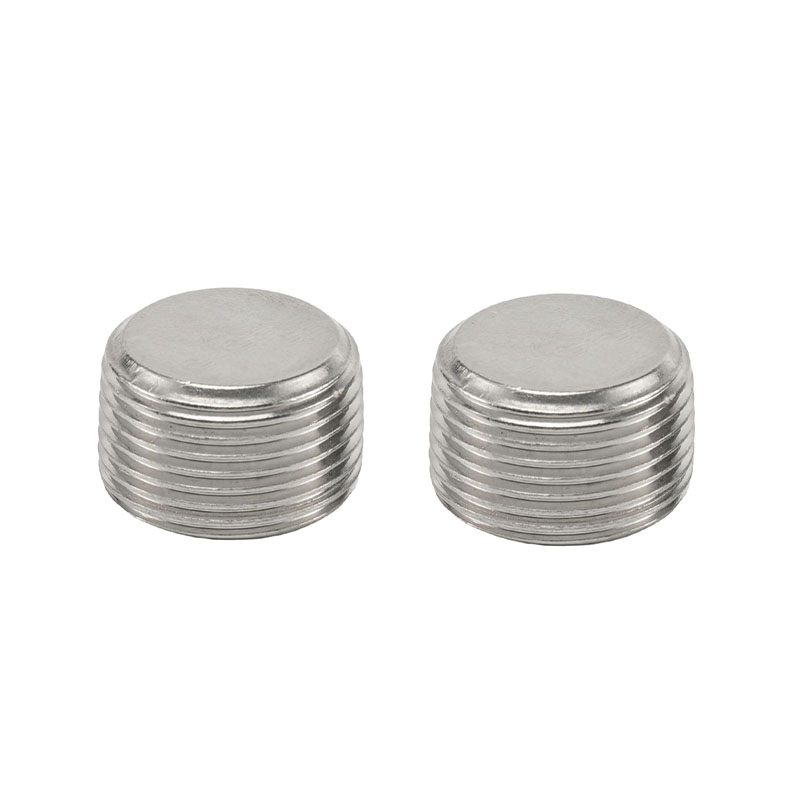 In the field of piping prefabrication and installation, precise port closure and testing are of paramount importance. Th...
-
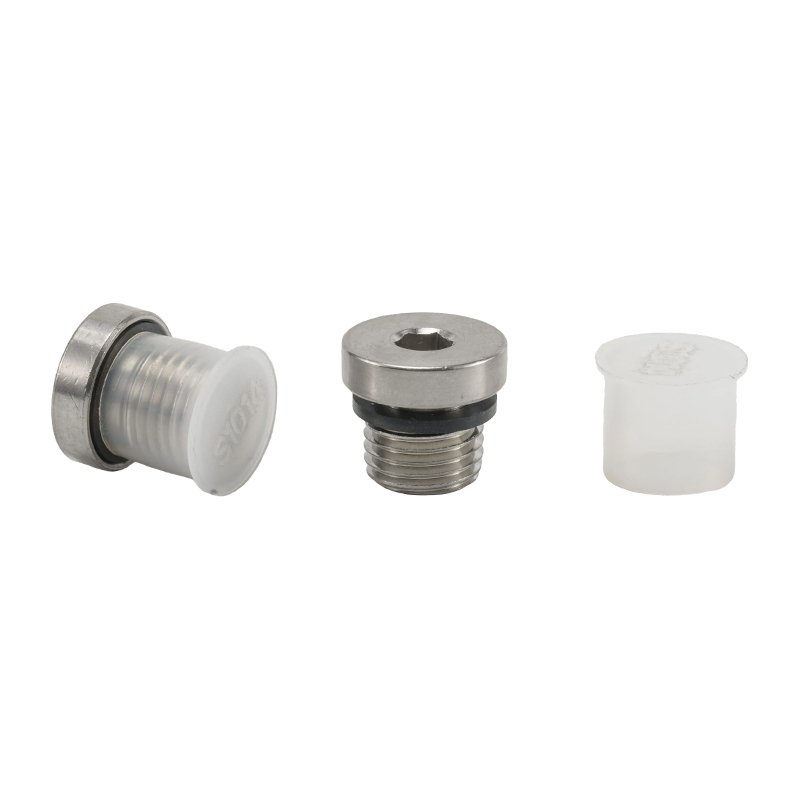 In applications such as pipeline termination, pressure testing, or equipment maintenance, there is a critical need for a...
-
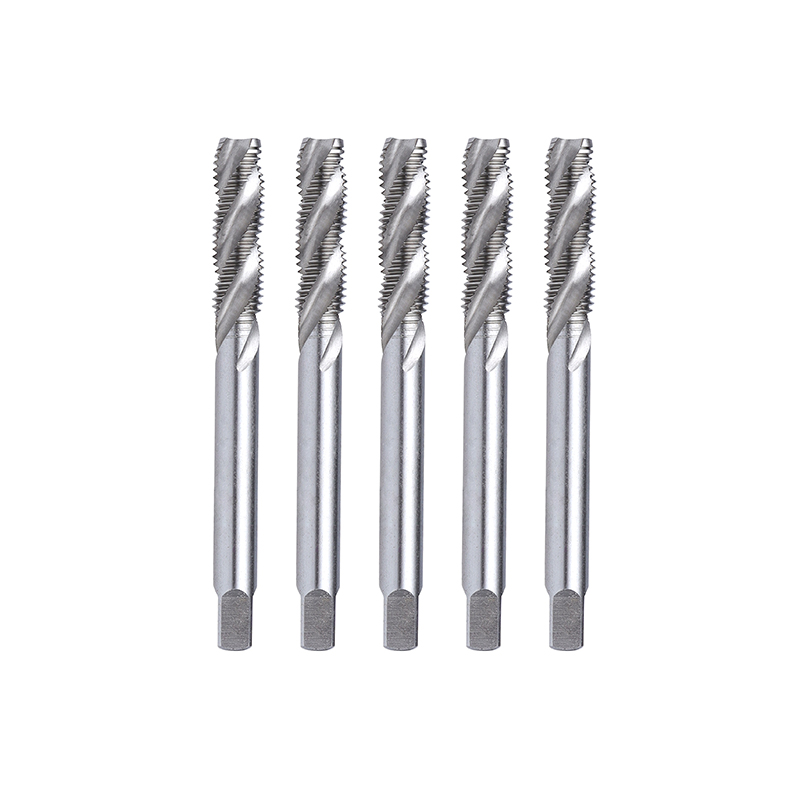 Spiral thread tap are designed for cutting deep internal threads. Unlike straight thread tap, spiral taps have helical g...
-
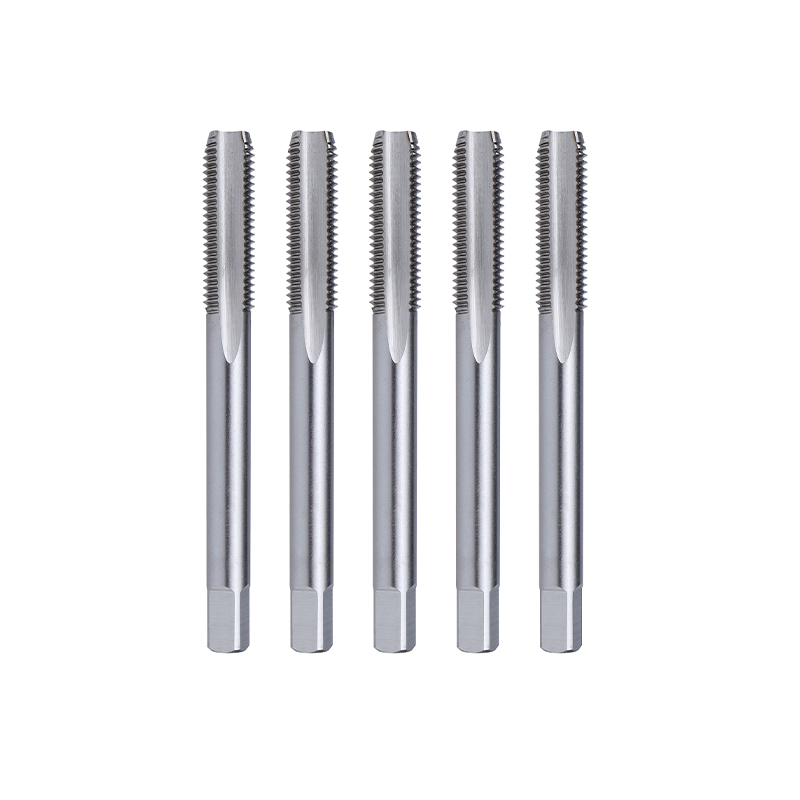 Straight thread tap are common internal thread cutting tools, mainly used for general-purpose thread machining. They are...
-
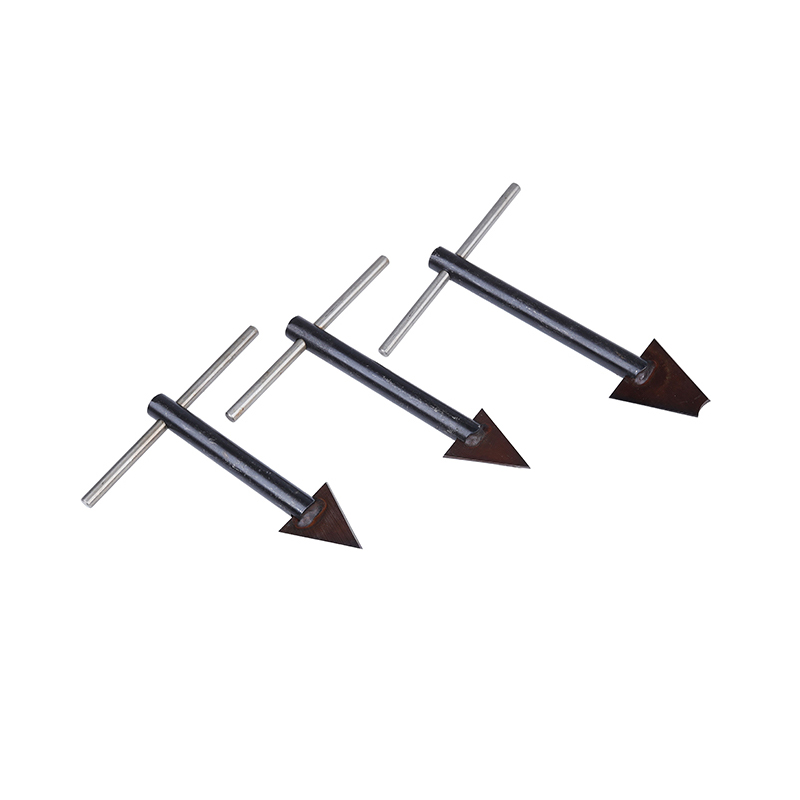 Designed to remove incorrectly installed, damaged, or stuck thread inserts. With precise gripping and force distribution...
-
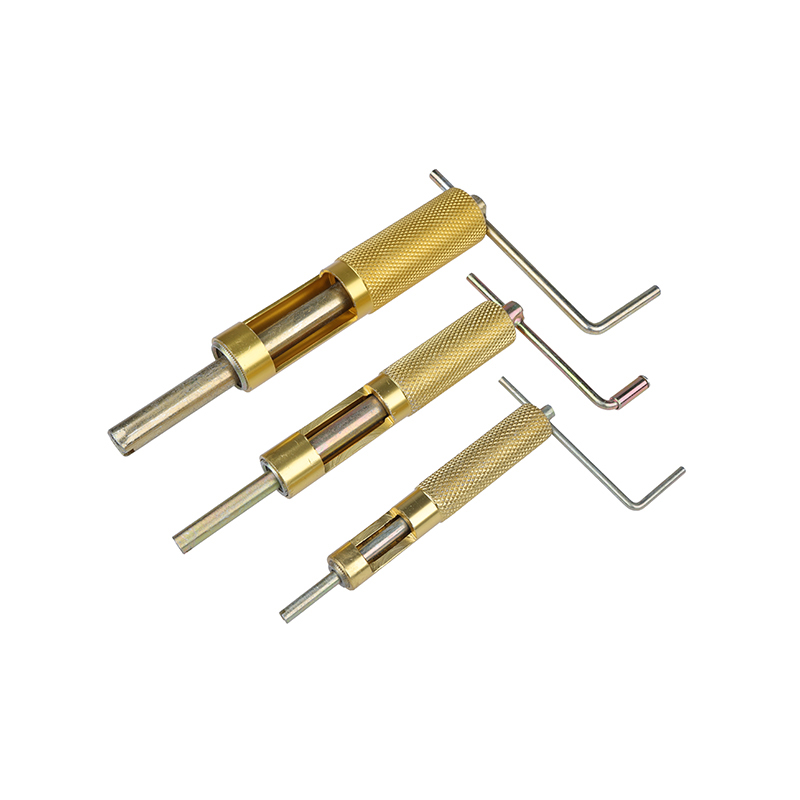 Used to accurately screw wire thread inserts into pre-tapped holes, ensuring correct installation and alignment. The too...
-
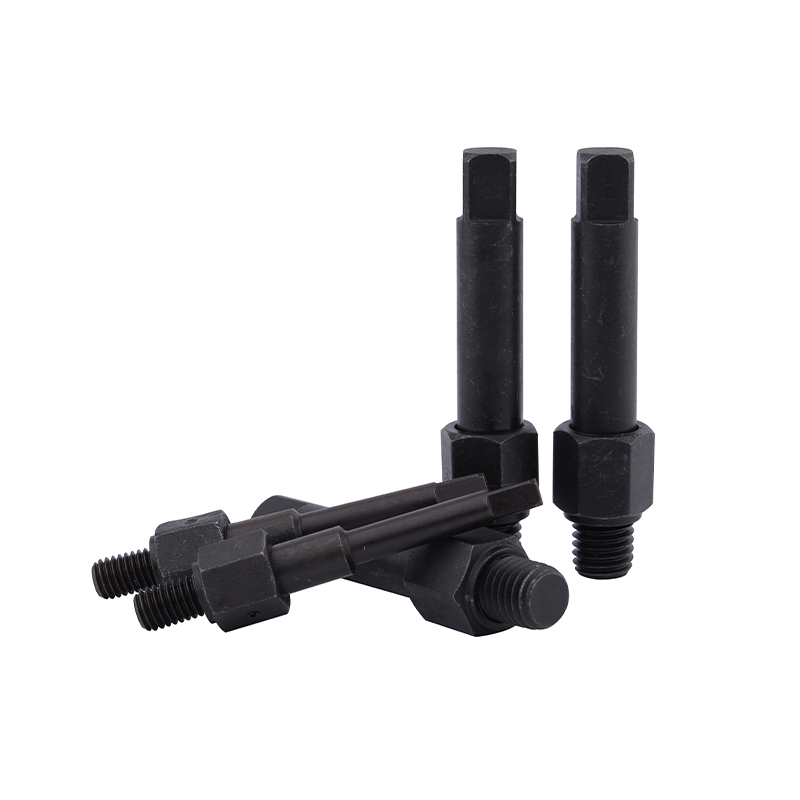 A specialized tool designed for self-tapping inserts, enabling direct cutting of threads in untapped holes without pre-t...
-
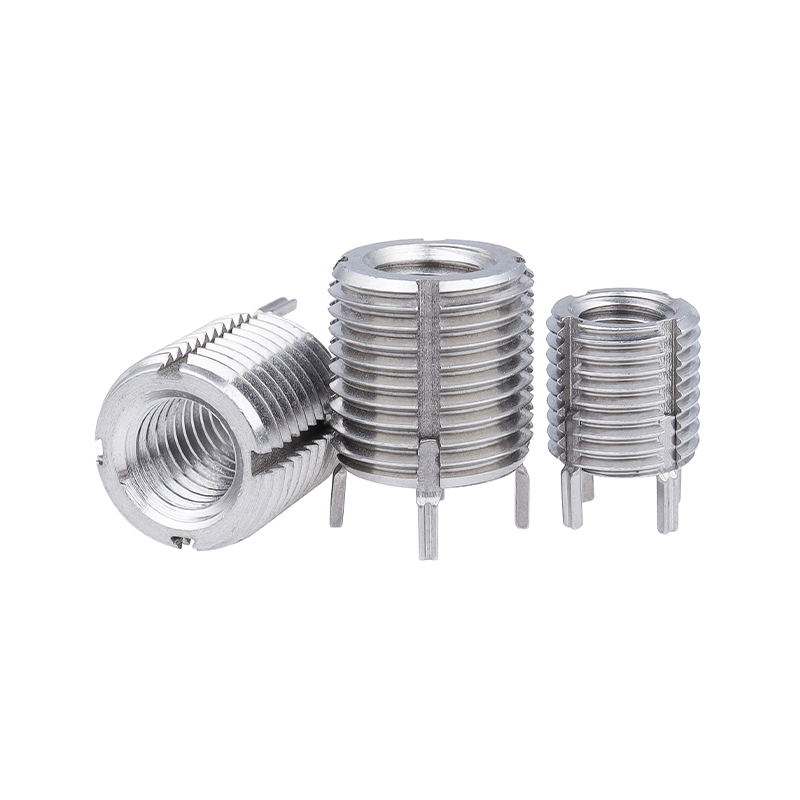 A high-strength thread reinforcement component, typically made of precision-machined stainless steel or carbon steel. It...
-
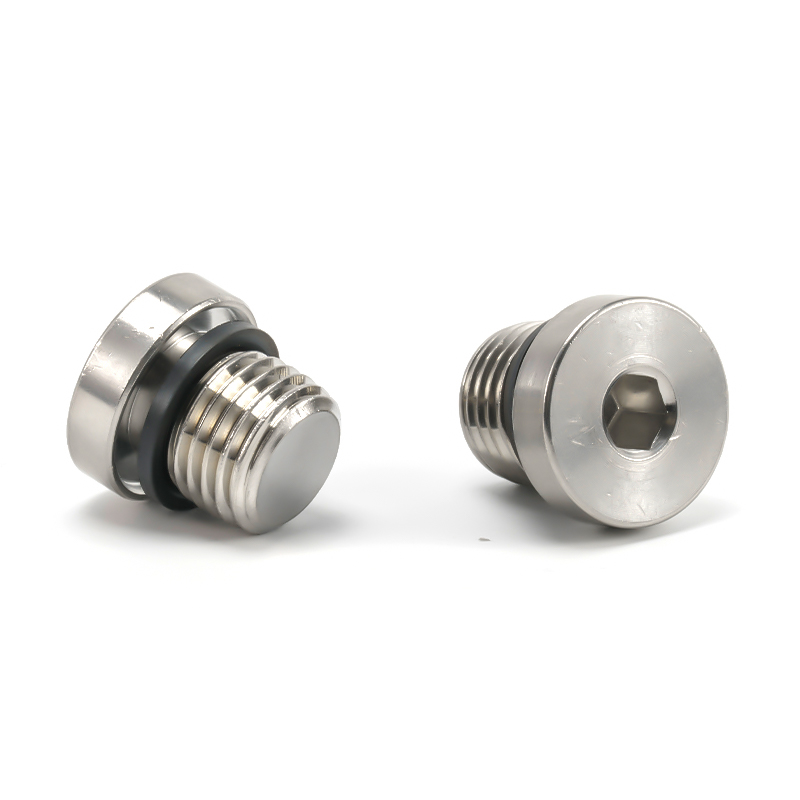 303, 304, and 316 stainless steel oil plugs are designed for applications requiring high corrosion resistance, these sta...
-
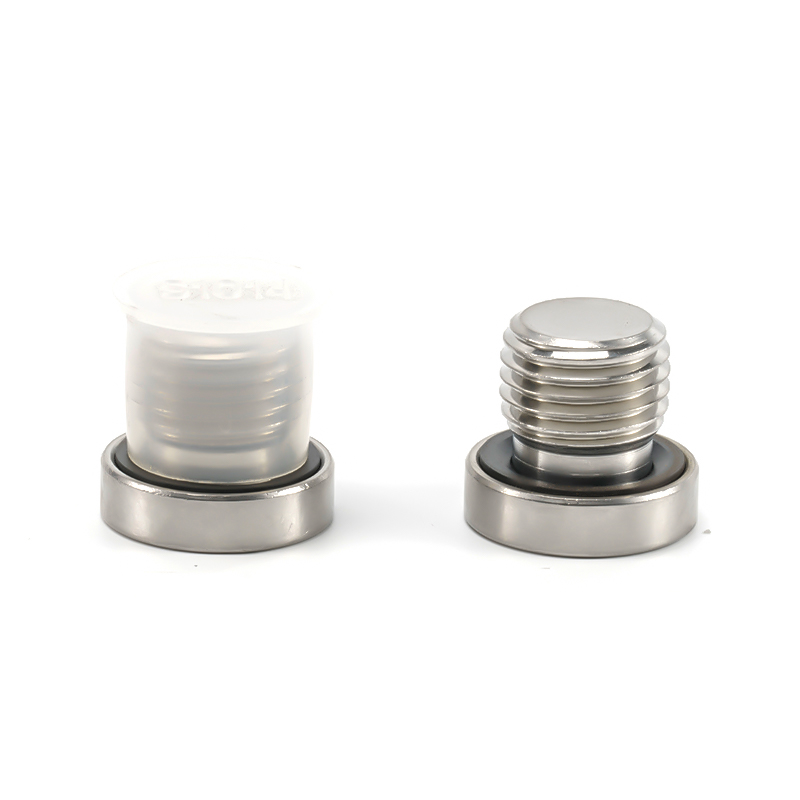 Features excellent pressure resistance and good corrosion resistance. Widely used in automotive, machinery, and industri...
-
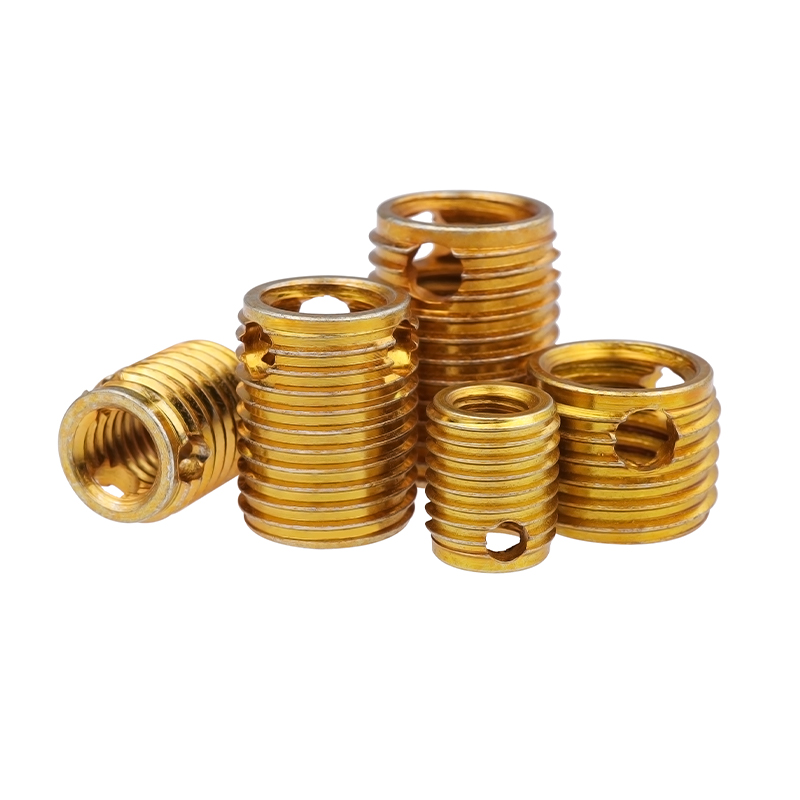 Carbon Steel Three-Hole Insert is a carbon steel threaded insert featuring three positioning holes. Compared with standa...
-
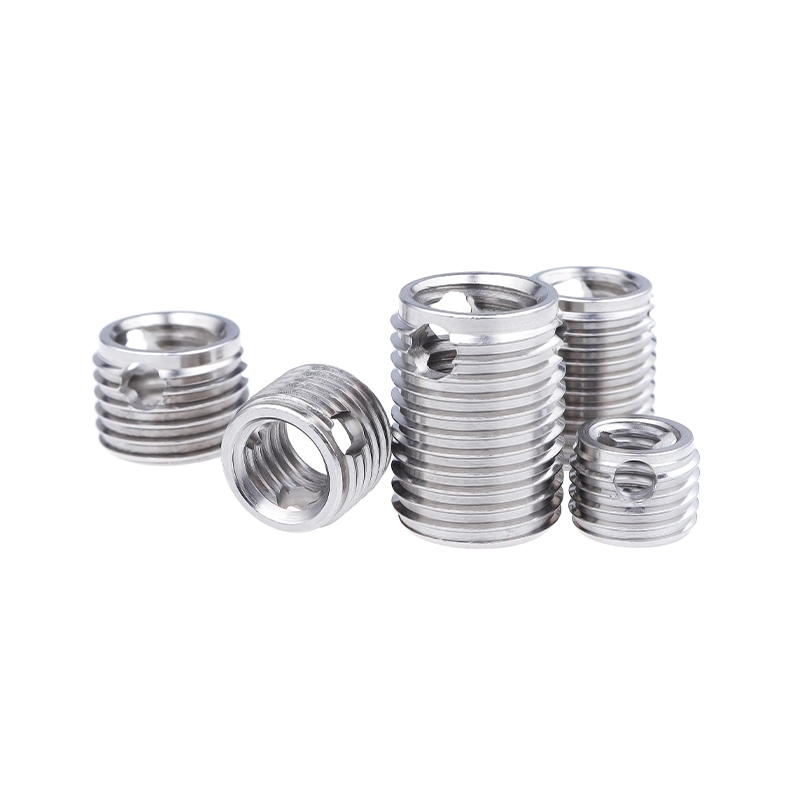 Stainless Steel Three-Hole Insert is a threaded insert with three evenly distributed positioning holes. Using a dedicate...
-
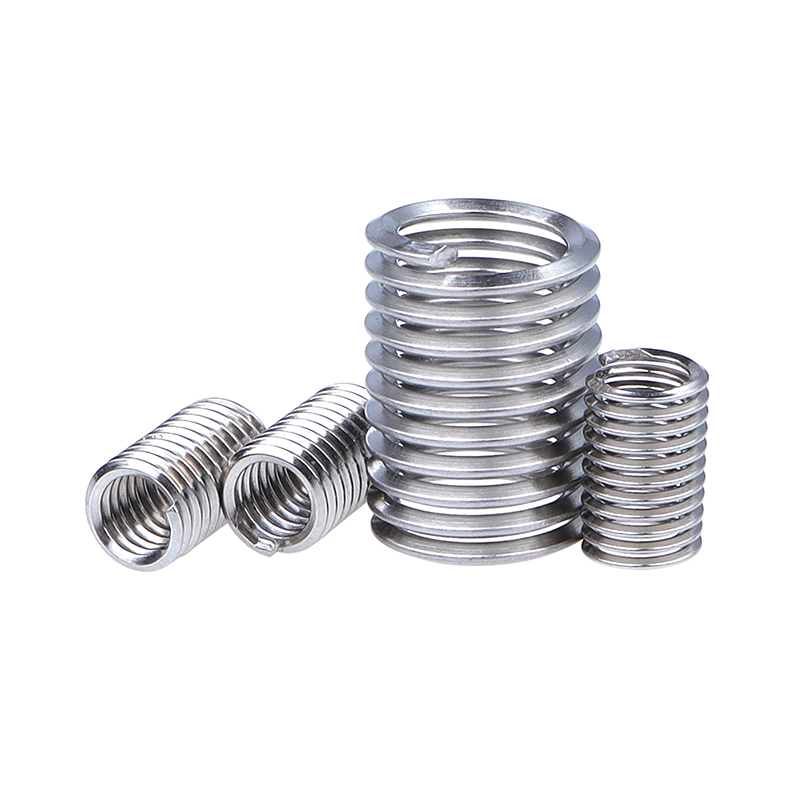 Tangless wire thread insert, also known as "steel wire screw sleeve without mounting handle", is a type of steel wire sc...
-
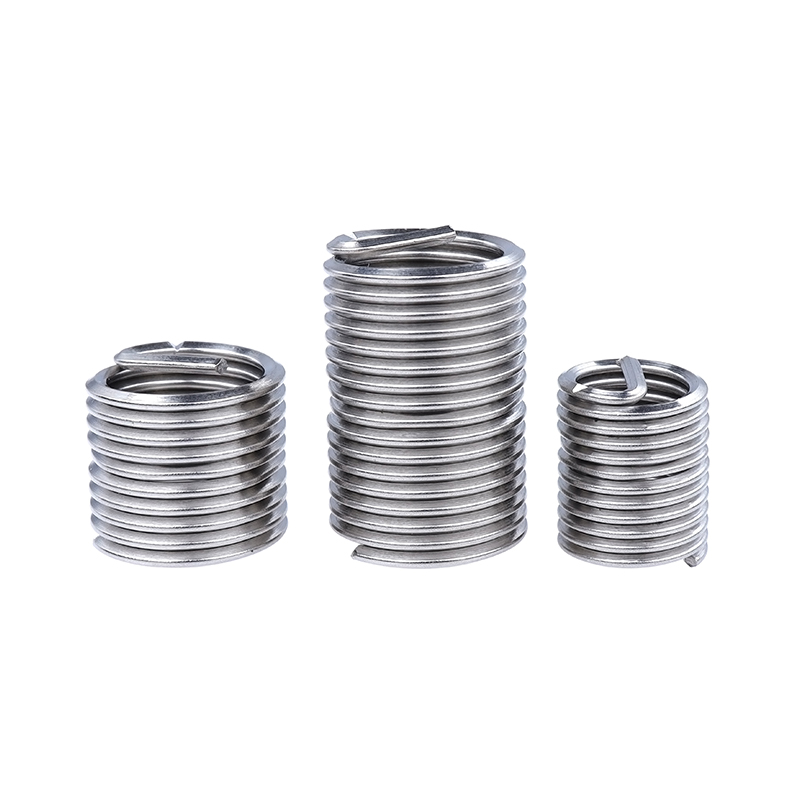 Screw-Lock Insert is a threaded insert with anti-loosening functionality. Compared to standard inserts, it features a se...
-
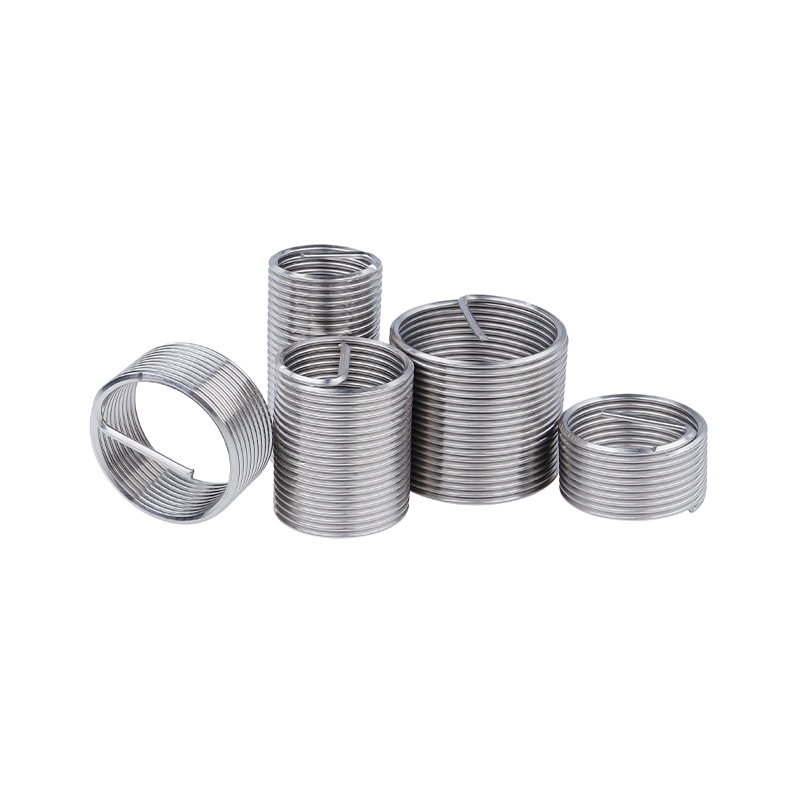 Fine Pitch Wire Thread Insert is a wire thread insert with a fine-pitch thread design. Compared with coarse-pitch wire t...
-
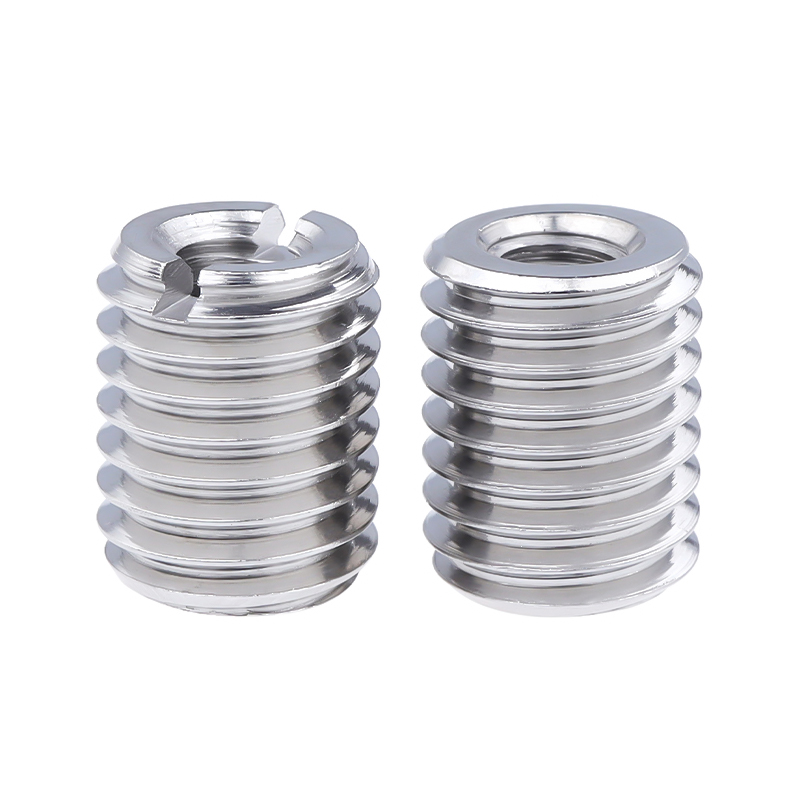 Stainless Steel Internal-external Thread Conversion Nut(also known as stainless steel thread sdapter, or SS male-to-fema...
-
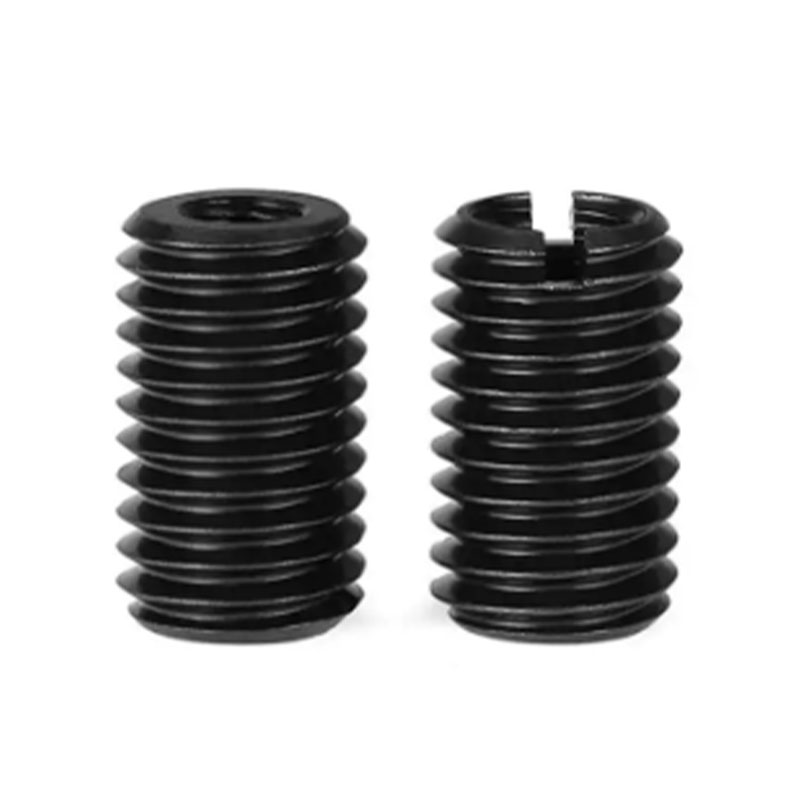 Carbon steel internal-external thread conversion nut is manufactured from carbon steel. This adapter balances strength a...
-
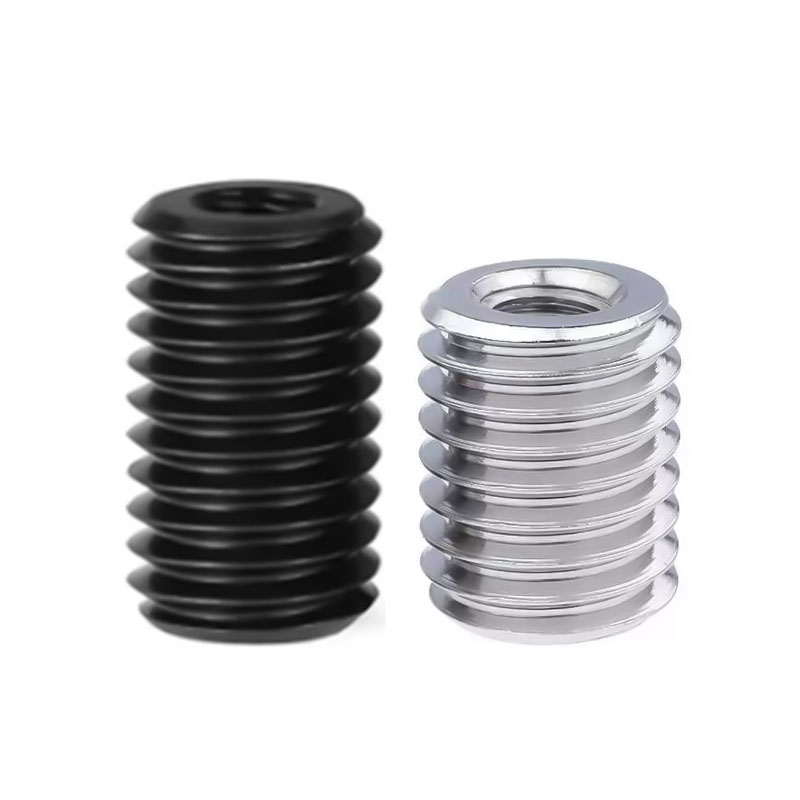 The non-slotted internal-external thread conversion nut features a smooth, solid surface design, ideal for applications ...
-
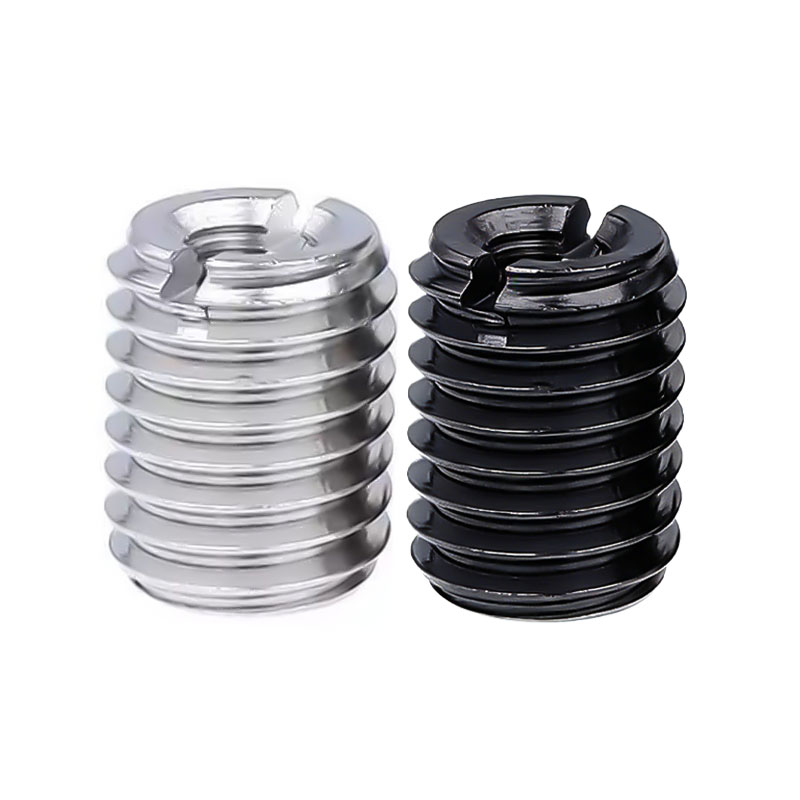 A slotted internal-external thread conversion nut is a connector used to convert between different thread sizes or direc...
-
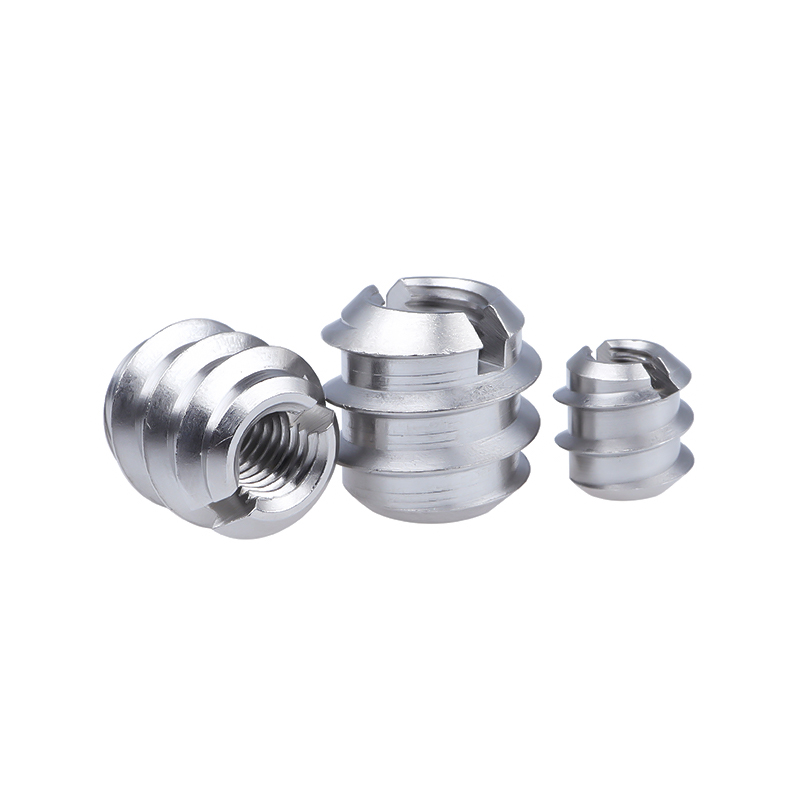 DIN 7965 screwed inserts are threaded fasteners manufactured according to the German DIN 7965 standard, ensuring strict ...
-
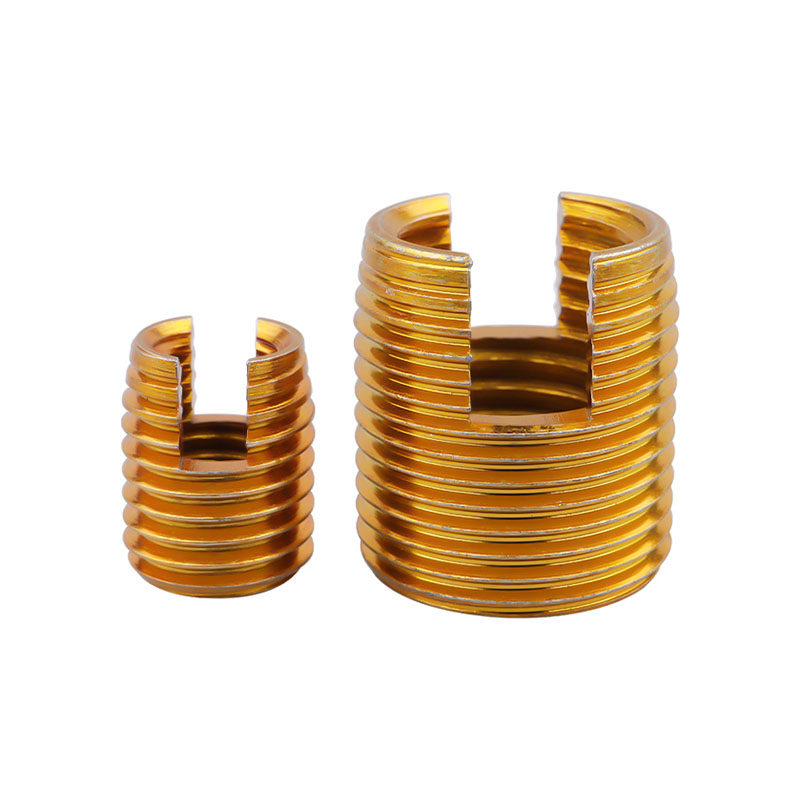 Carbon steel self-tapping thread inserts are made of high-strength carbon steel, offering mechanical robustness and cost...
-
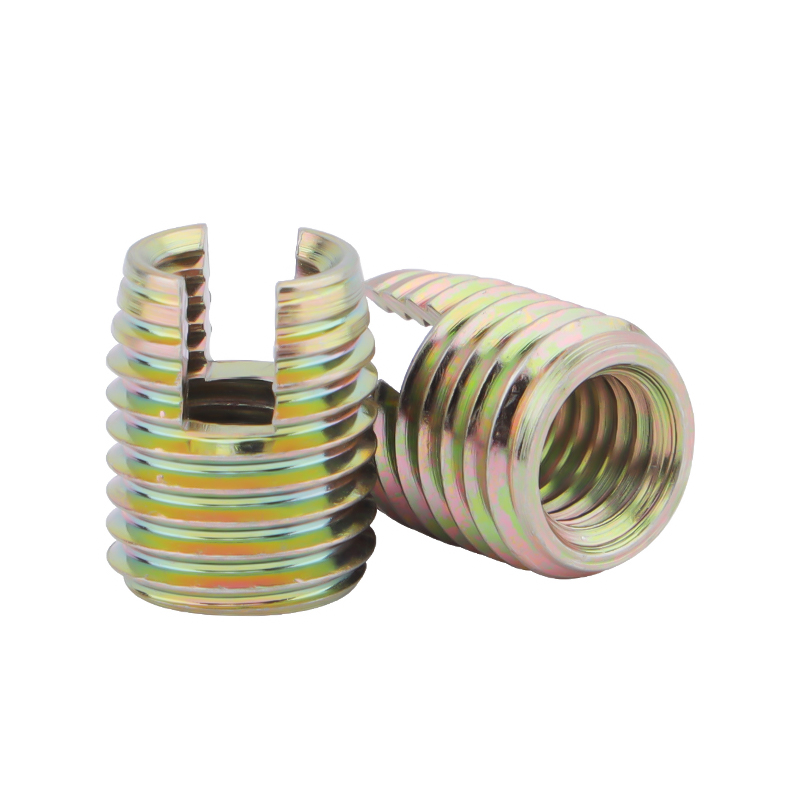 Color zinc plated self-tapping thread inserts feature a dual-protection coating combining a passivation layer for corros...
-
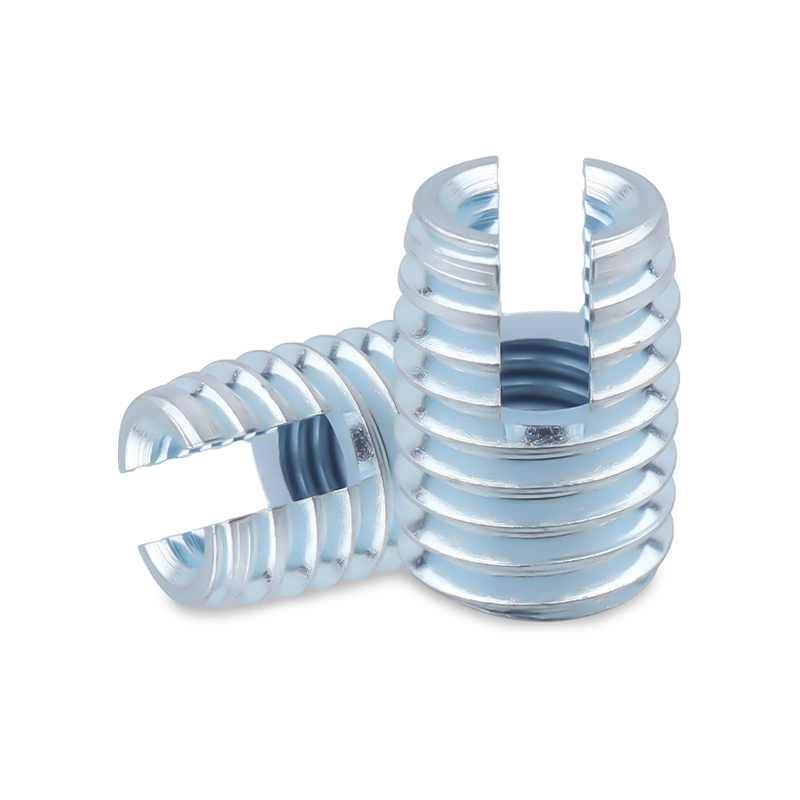 Blue zinc plated self-tapping thread inserts are fasteners with a surface treatment that provides excellent rust and oxi...
-
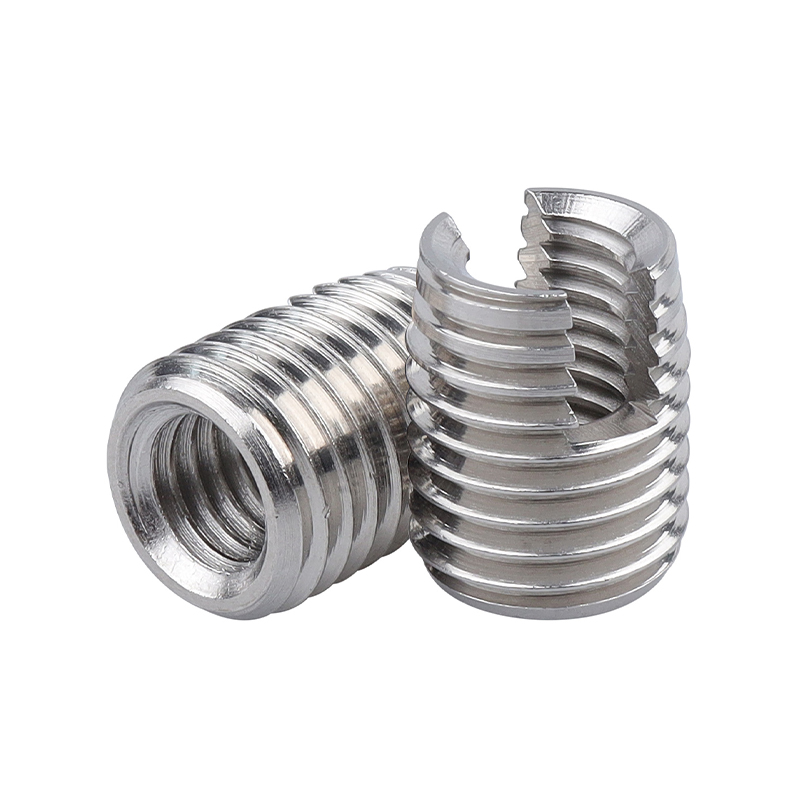 Stainless steel self-tapping thread inserts are fasteners designed to strengthen threaded connections. Unlike standard i...
Company Profile
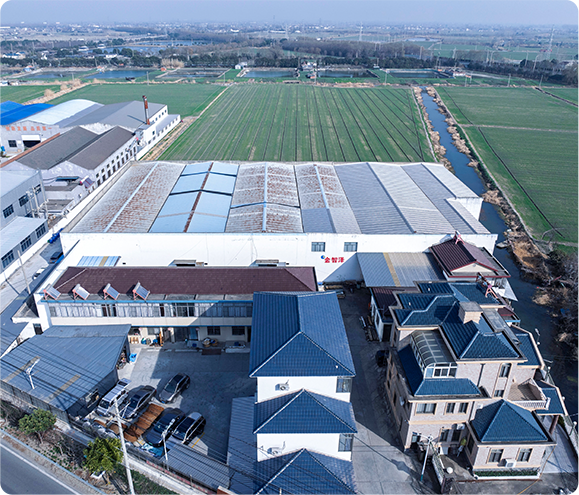
Dongtai Jinzhize Metal Products Co., Ltd.
As Cutting Tools Manufacturer and Thread Repair & Insert Fittings Factory, Dongtai Jinzhize Metal Products Co., Ltd. is a specialized manufacturing facility dedicated to threaded connection products for the automotive and aerospace sectors. We primarily produce Helical Wire Inserts, Self-Tapping Inserts, Key Locking Inserts, Threaded Adapters, Oil Plugs, as well as matching installation taps and tools.
Established in 2015, the company operates from a 10,000-square-meter-owned manufacturing plant equipped with hundreds of machine tools and automated production systems. Through years of development, we have built an experienced team of design, development, and production specialists, complemented by a rigorous quality management system and comprehensive after-sales service mechanism.
Our products are widely utilized in the automotive industry (including engines and transmissions for both passenger and commercial vehicles), the aerospace industry, and rail vehicle manufacturing.
With an annual output value of 153 million RMB in 2024, we possess the capability for a large-scale, stable supply. We are committed to providing customers with highly consistent, traceable products and reliable service support.
News
-
-
What Is a Thread Tap? A thread tap is a specialized cutting tool designed to create internal threads within pre-drilled holes. It functions by removing material (cutting taps) or displacing material ...
READ MORE -
A wire thread insert is a helically coiled fastening device made from high-tensile stainless steel wire (typically Type 304 or 316) with a diamond-shaped cross-section. It is inserted into a pre-tapp...
READ MORE -
In the era of high-precision industrial manufacturing, the reliability and durability of threaded connections have become a key factor affecting the performance and safety of equipment. Recently, thr...
READ MORE -
In the era of high-precision industrial manufacturing, the reliability and durability of threaded connections have become a key factor affecting the performance and safety of equipment. Recently, thre...
READ MORE
Related Products
-
The Straight Thread Plug (Hex Socket Plug) is a high-performance sealing solution engineered for precision closure in industrial piping, reservoirs, and mechanical equipm...
-
In the field of piping prefabrication and installation, precise port closure and testing are of paramount importance. The Tapered Plug is a specialized pipe fitting desig...
-
In applications such as pipeline termination, pressure testing, or equipment maintenance, there is a critical need for a sealing component that is structurally robust, re...
-
Spiral thread tap are designed for cutting deep internal threads. Unlike straight thread tap, spiral taps have helical grooves that efficiently remove chips during machin...

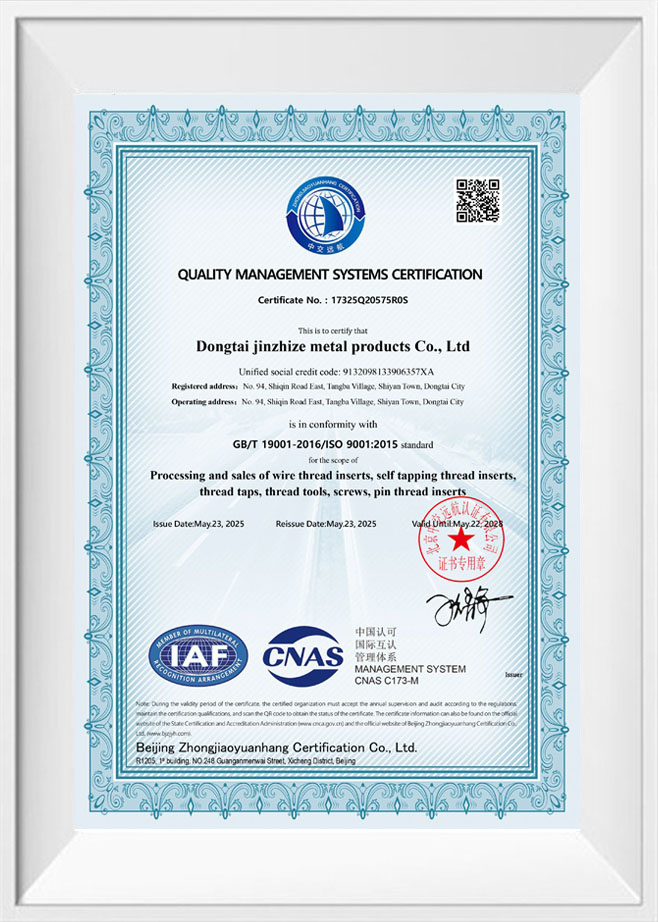
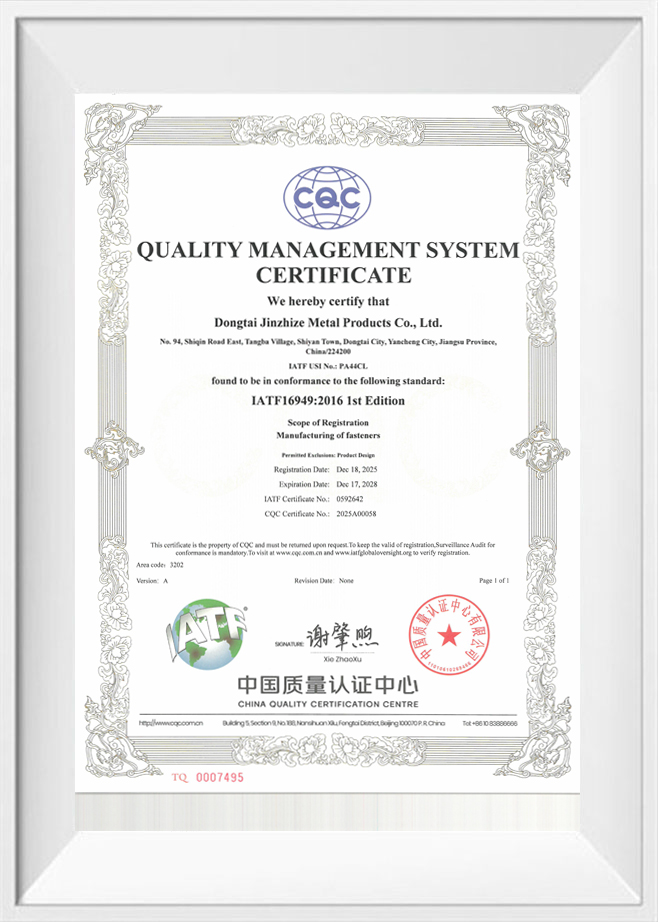
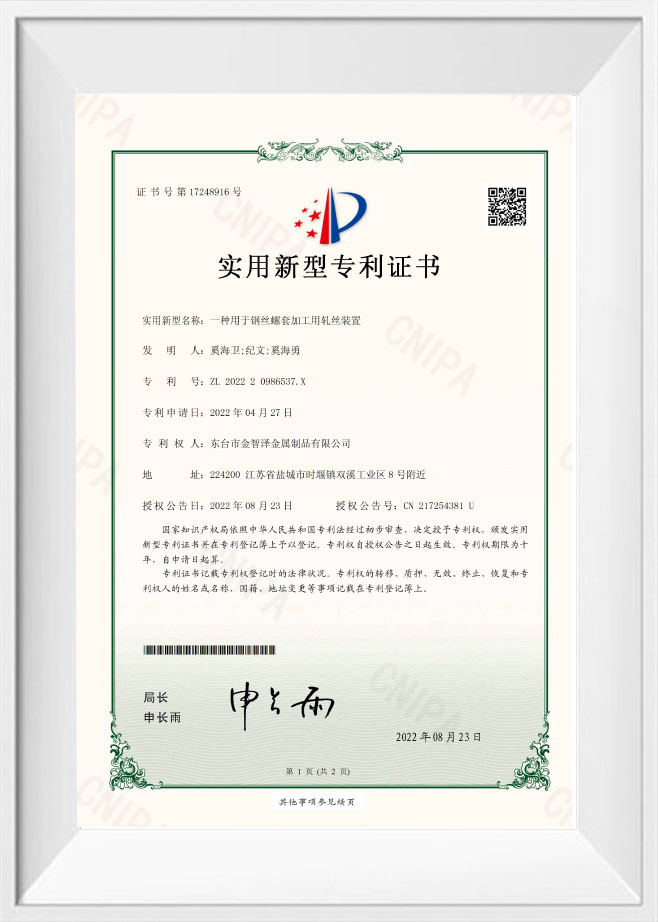
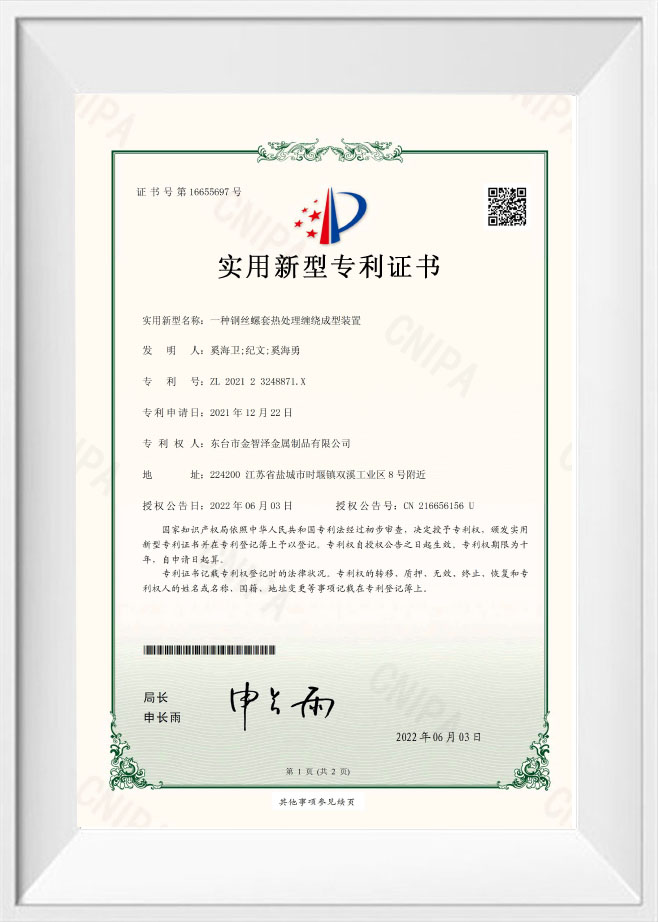
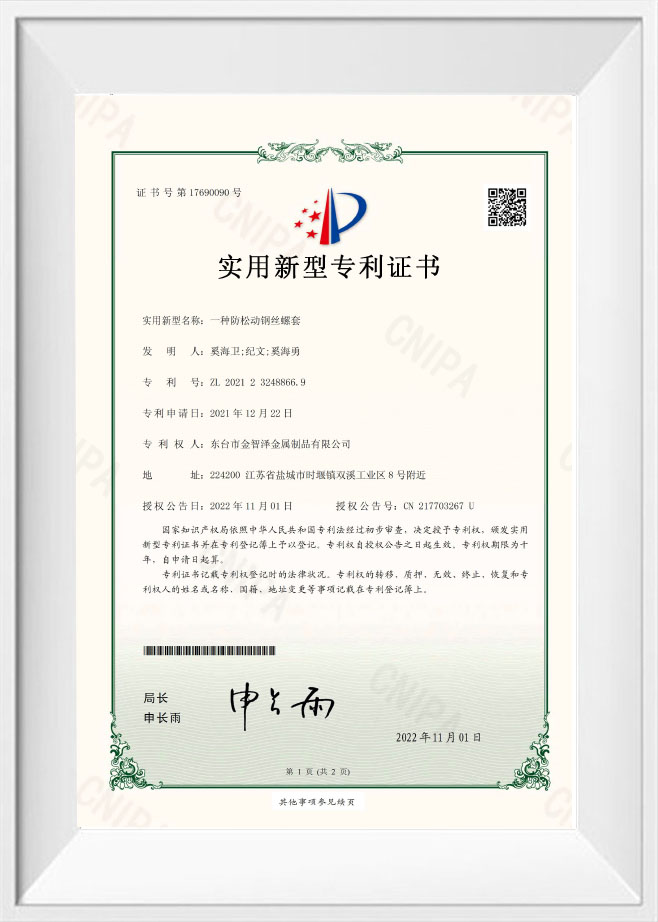
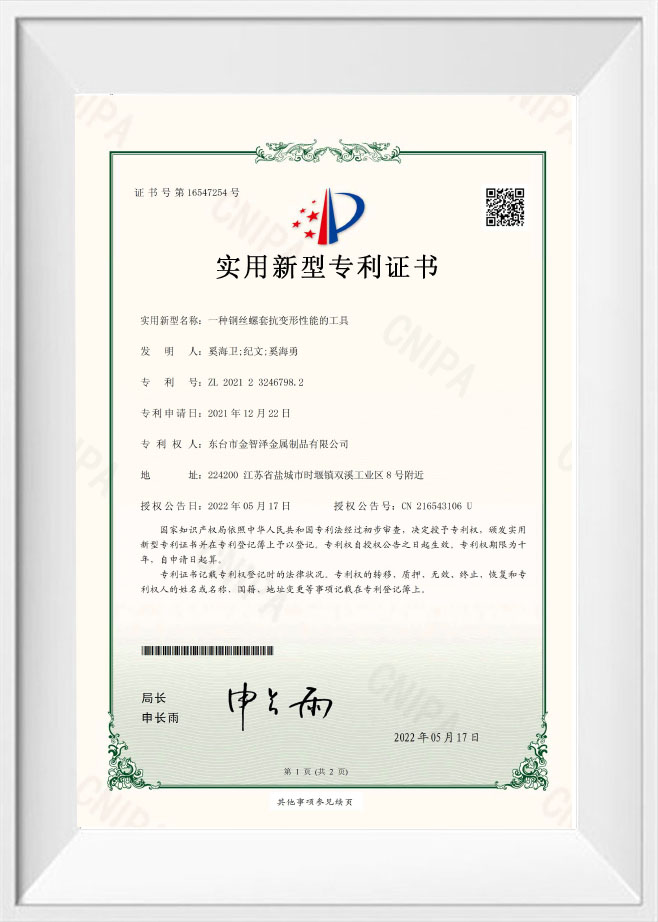
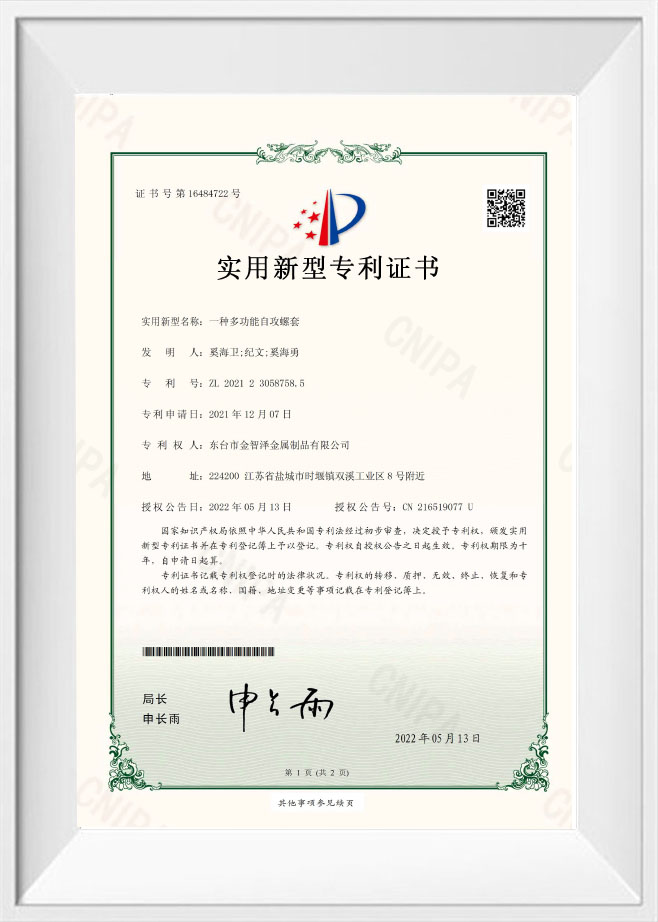
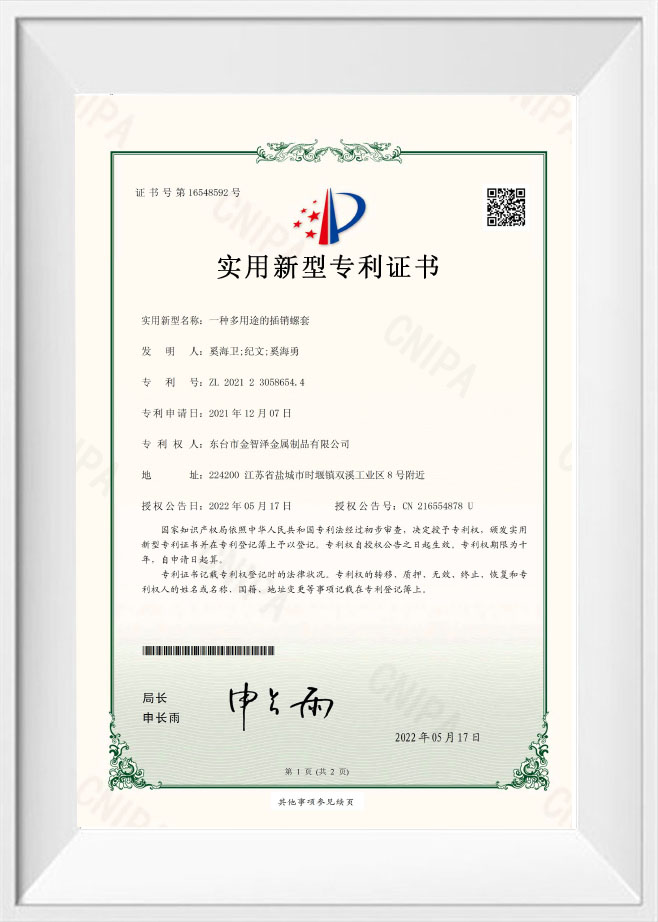
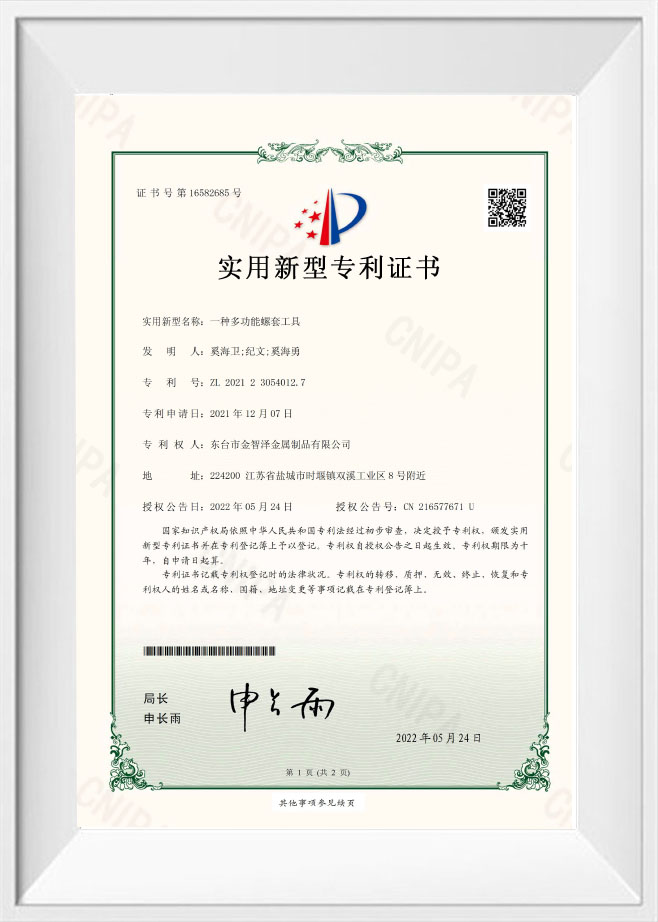
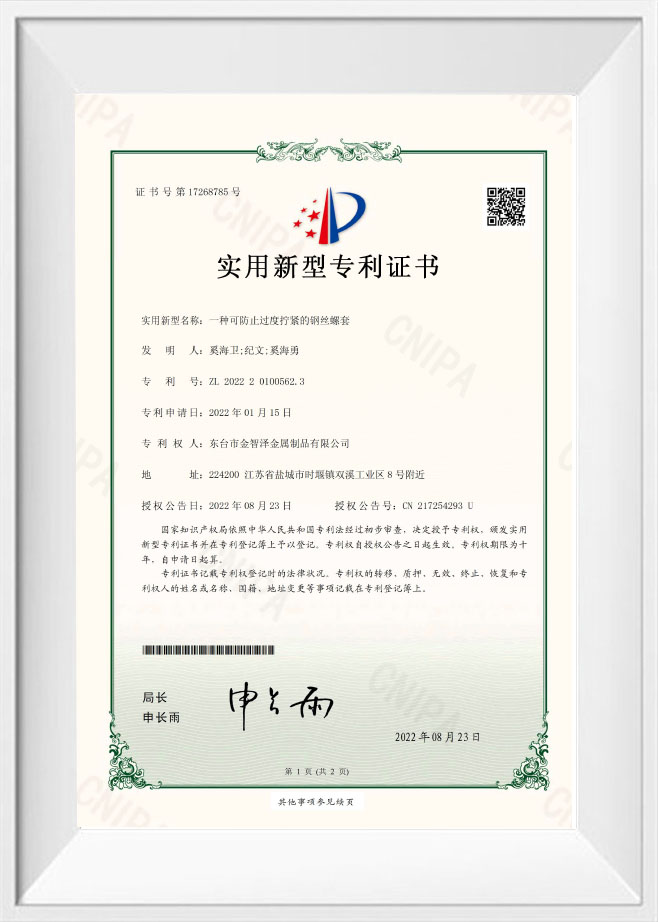
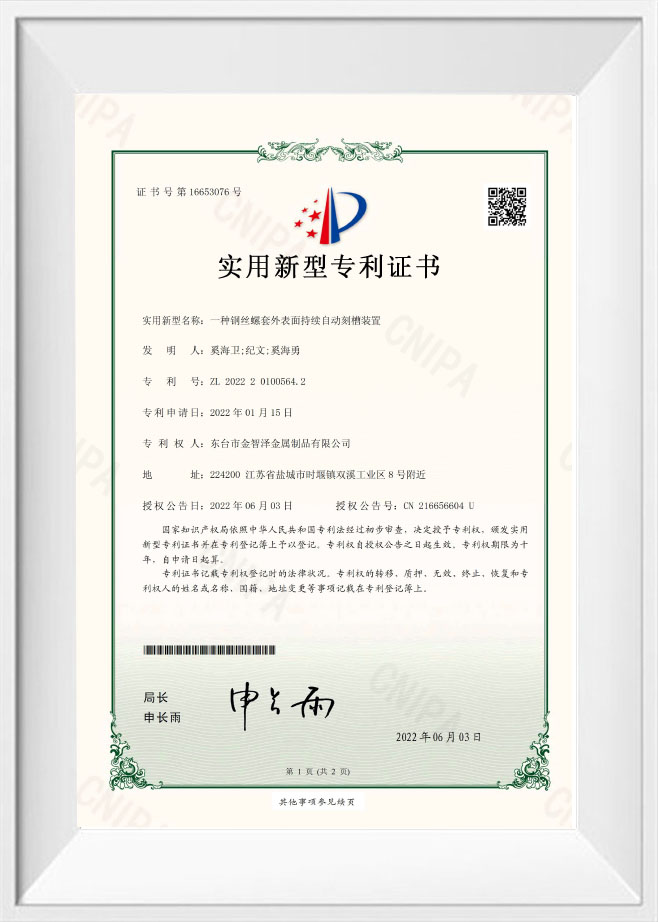
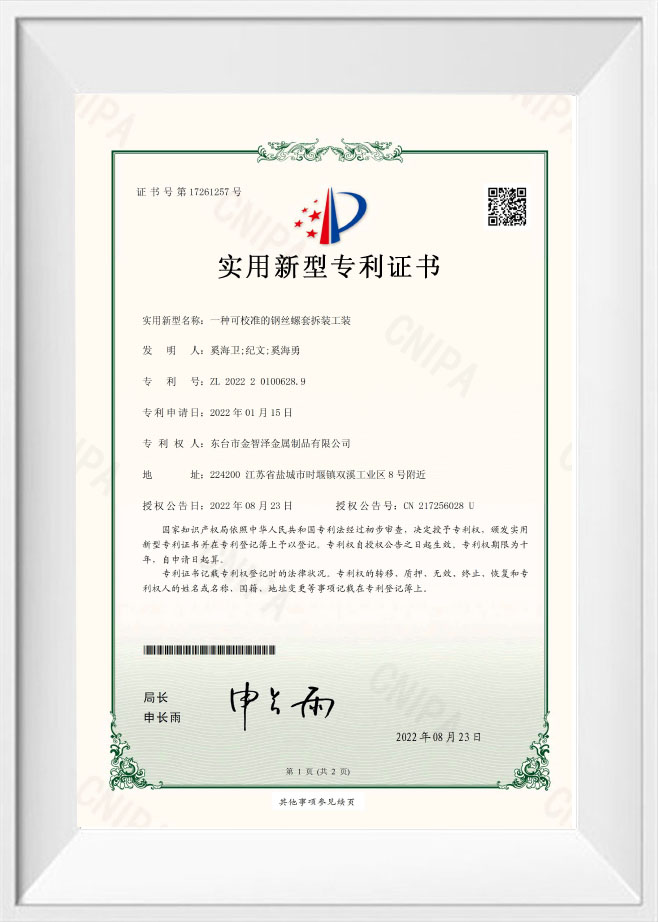
Certificate Of Honor
Products Industry knowledge
What are the design differences between dynamic and static seals?
Design Differences between Dynamic and Static Sealing Components
Dynamic sealing and static sealing are two fundamentally different operating modes in sealing technology. Their design concepts and implementation methods differ drastically depending on whether they involve motion:
1. Differences in Operating State:
Dynamic Sealing: The sealing surfaces are in relative motion. This motion is typically rotation (e.g., rotary shaft seals) or reciprocating linear motion (e.g., piston seals). Therefore, the design must consider both "follow-motion" and "wear resistance."
Static Sealing: The sealing surfaces are stationary; there is no relative displacement between the seal and the sealing surface. Typical applications include the fully closed position of valves or flange connections in pipelines.
2. Differences in Structural Design:
Dynamic Sealing:
Materials and Form: Typically uses elastomers (e.g., O-rings, U-rings) or miniature mechanical seals. Due to friction, the seal needs excellent wear resistance and deformation compensation capabilities.
Design Focus: The core focuses on "lubrication" and "pressure compensation." A structure capable of forming a sealing barrier during operation must be designed to prevent media leakage while reducing frictional resistance.
Static Sealing:
Materials and Forms: Rigid metal surfaces (such as valve seats and valve cores) or flexible gaskets (such as O-rings) can be used.
Design Focus: The core is "compression." Sufficient compression force presses the sealing surfaces together to overcome internal pressure and media penetration.
| Table 1: Design Differences Between Dynamic Seals and Static Seals | ||
| Comparison Dimension | Dynamic Sealing | Static Sealing |
| Primary Application Scenarios | Shaft rotary sealing (rotating shafts), piston reciprocating sealing | Fully closed valve positions, pipe flange connections |
| Seal Types | Elastomeric seals (O-rings, U-rings), mechanical seals | Rigid metal surfaces (valve seats, valve cores), flexible gaskets |
| Core Design Requirements | Wear resistance, adaptability, lubrication, pressure compensation | Compression force, seepage resistance, structural stability |
| Key Characteristics | Must handle heat and wear generated by friction | Must withstand internal pressure and media infiltration |
What is the core role of valve seals in preventing leakage and environmental pollution?
Valves are the "gates" controlling the flow of media in industrial pipeline systems, and the quality of their seals directly determines the safety and environmental friendliness of the system. The core role of valve seals is reflected in the following aspects:
1. Preventing Media Leakage:
Tight Fit: The seal forms a reliable sealing barrier by tightly fitting the internal parts of the valve (such as the valve core and valve seat). This tight contact ensures that the media does not leak into the environment when the valve is opened and closed.
Preventing External Impurities from Entering: In addition to preventing media leakage, the seal also prevents external dust, moisture, or other impurities from entering the pump or valve, protecting the equipment from corrosion and wear.
2. Ensuring System Safety and Environmental Protection:
Environmental Protection: Leaking liquids or gases can cause environmental pollution, especially when handling toxic, harmful, or flammable and explosive media. Leaks not only waste resources but can also lead to safety accidents. Therefore, valve seals are crucial for ensuring "zero leakage."
Energy Saving and Emission Reduction: High-efficiency seals can also reduce valve operating torque, improve overall system efficiency, and indirectly reduce energy consumption, meeting the requirements of green production for energy saving and emission reduction.
| Table 2: Core Functions of Valve Seals | ||
| Core Function | Specific Role | Significance |
| Prevent Media Leakage | Ensure tight contact between valve cores and seats, forming a sealed barrier | Prevent hazardous media from escaping, avoid resource waste |
| Prevent External Ingress | Block dust, moisture, and impurities from entering the interior | Protect pumps and valves from corrosion and wear |
| Ensure Environmental Safety | Prevent leakage of toxic, harmful, or flammable gases | Prevent environmental pollution and safety accidents |
| Reduce Operational Resistance | Lower torque required for valve opening and closing | Improve system efficiency, save energy consumption |
Dongtai Jinzhize Metal Products Co., Ltd.'s Practice in the Sealing Field
As a manufacturer specializing in threaded connection products, Dongtai Jinzhize Metal Products Co., Ltd. understands the importance of sealing technology in the automotive and aerospace industries. The company ensures the reliability of sealing performance through the following methods:
1. Core Product Layout: In addition to threaded connections, the company also produces threaded fitting oil plugs and matching installation taps. As a critical valve seal, the oil plug's design must balance a tight seal under static conditions (preventing oil leakage) and vibration resistance under dynamic conditions (preventing loosening).
2. Quality and Traceability: The company is committed to providing highly consistent and traceable products. This means that every seal (such as an oil plug) undergoes rigorous sealing performance testing before leaving the factory to ensure leak-free performance under extreme conditions such as the high temperatures and pressures of automotive engines or aerospace systems.
| Table 3: Dongtai Jinzhize Metal Products Co., Ltd. Practices in Sealing | ||
| Practice Area | Specific Implementation | Value Demonstration |
| Product Coverage | Manufacture threaded oil plugs and matching tapping tools | Address critical valve sealing and connection needs |
| Quality Assurance | Provide highly consistent, traceable products | Ensure no leakage under high temperature, high pressure, or extreme conditions |
| Industry Application | Serve automotive engines, transmission systems, and aerospace | Meet high safety and reliability standards in the industry |
| R&D Investment | Possess an experienced design and development team | Continuously optimize sealing structures and material performance |
FAQ
Q: What are seals? What are their main functions?
A: Seals are key components that prevent the leakage of fluids or solid particles. They block the flow of fluids and prevent lubricant leakage or external impurities from entering the system by filling, squeezing, or contact sealing.
Q: What are the main types of seals?
A: There are many types of seals, common types include:
O-rings: The most commonly used elastomeric seals, suitable for hydrostatic sealing.
Oil seals: Used for sealing axially moving parts (such as motor shafts) to prevent oil leakage.
X-rings: Resistant to high pressure and high temperature, often used in harsh environments.
Special shape seals: Such as U-rings, V-rings, V-rings, etc., suitable for specific geometries.
Q: How to choose seal materials? Why choose fluororubber or polyurethane?
A: The choice of material directly determines the lifespan and performance of the seal. Common Materials and Their Advantages:
Fluororubber (FKM): High temperature resistance (up to 300℃), good oil resistance, suitable for hydraulic systems and high-temperature environments.
Polyurethane (PU): Excellent abrasion resistance, suitable for conveying systems with a large amount of particulate media.
Polytetrafluoroethylene (PTFE): Resistant to chemical corrosion, suitable for acid and alkaline environments.
Silicone Rubber (VMQ): High temperature resistance, good elasticity, suitable for food-grade or pharmaceutical-grade products.
Q: What are some common problems with seals?
A: Leakage: The most common problem, possibly caused by seal aging, improper installation, uneven sealing surfaces, or dimensional mismatch.
Aging: Long-term use or extreme temperatures can cause rubber seals to harden, crack, and lose elasticity.
Wear: High pressure and high-frequency movement can cause wear on the seal material; wear-resistant materials must be selected.
Deformation: High temperature or excessive pressure may cause permanent deformation of the seal, affecting the sealing effect.
Let's Talk Affiliate Marketing
-
ADDRESS
No. 94, Shiqin Road East, Tangba Village, Shiyan Town, Dongtai City, China E-mail : [email protected] Tel : +86-15061682958 -
QUICKLINKS
-
POPULAR PRODUCT
Self-tapping Thread Insert Internal-external Thread Conversion Nut Wire Thread Insert Three-hole threaded insert Key-locking Insert Oil plug Installation tools Thread Tap -
MEDIA
Copyright © Dongtai Jinzhize Metal Products Co., Ltd. All Rights Reserved.
 Threading & Fastening Solutions Supplier
Threading & Fastening Solutions Supplier